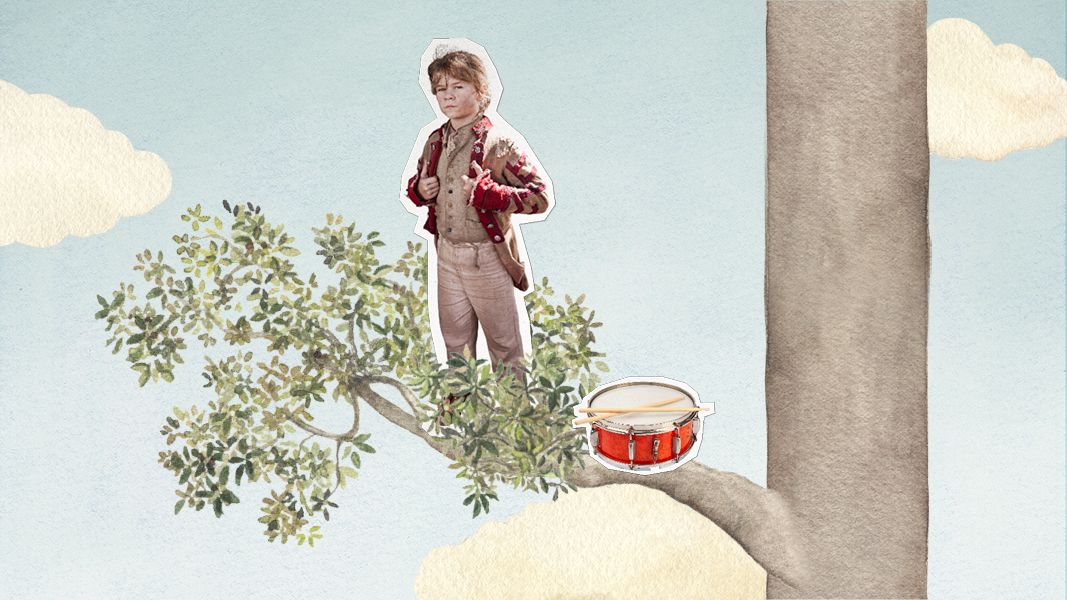
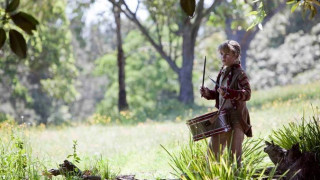
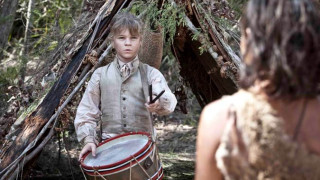
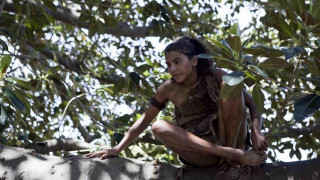
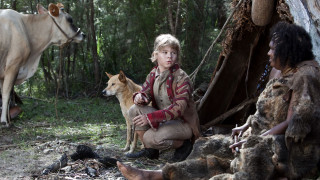
1788: Dan
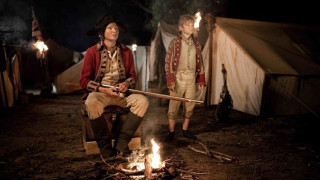
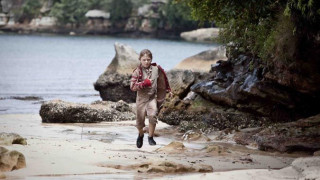
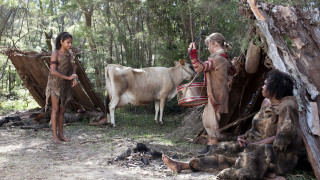
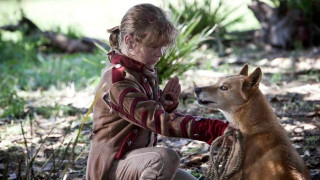
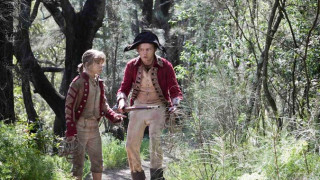
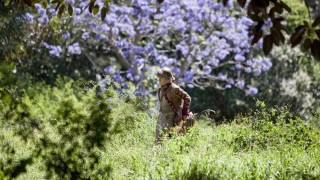
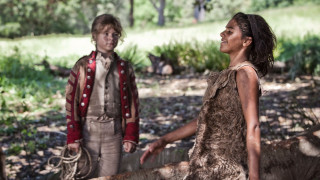
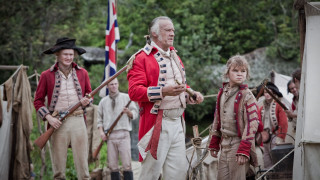
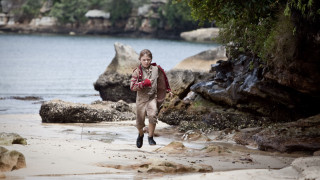
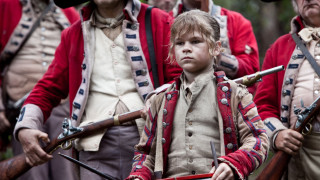
Dan is on his second patrol to the Botany Bay area when he's asked to capture a local dog (a dingo) to take back to the colony's governor. The only trouble is, the dog in question belongs to Waruwi, the girl Dan befriended last time he was in the area. Dan is a young convict boy living in the early days of the Sydney Cove settlement. Life is harsh, food is scarce, and every day brings new challenges as he learns to survive in a place far from home; a place already full of people, culture and law.
Please note that 1788 unfolds across two episodes, told through the eyes of two children, Dan and Waruwi.
The 1780s mark a profound turning point on the continent now called Australia. For First Nations Peoples, whose ancestors had lived on and cared for Country for tens of thousands of years, this decade brought invasion, dispossession, disease and deep upheaval. For the invaders - British convicts, soldiers and officials - who arrived in 1788, including children, it was the beginning of a harsh and uncertain colonial experiment, built on land they did not understand and did not have permission to occupy.
Waruwi and Dan’s stories unfolded at the same time, yet from vastly different positions of power. Holding both truths is essential to understanding the decade and its lasting impacts.
-
Before 1788: Between 500,000 and 750,000 First Nations people lived across the continent in diverse nations with their own languages, laws and knowledge systems, including the Gadigal people of the Eora Nation around Sydney Cove. British plans for settlement included instructions for “friendly communication”, yet this was not honoured, and invasion would soon disrupt long-standing relationships to Country without consent or treaty.
-
1787: In May eleven British ships carrying about 1,500 convicts, marines, officials and children departed for an unknown land. The invaders set out with little understanding of the Country or its existing custodians, foreshadowing decisions that would deeply impact First Nations communities.
-
1788: The First Fleet arrived at Botany Bay between 18 and 20 January, before moving to Port Jackson and anchoring at Sydney Cove by 27 January under Governor Arthur Phillip. The British established a penal colony on Gadigal land without permission, marking the beginning of invasion.
-
1789: First Nations communities recognised the invaders were staying, leading to increasing conflict as land use, food sources and access to Country were disrupted. Gadigal and neighbouring groups resisted in strategic ways, asserting sovereignty and protecting Country in what are now recognised as early Frontier War conflicts.
-
1789: A smallpox outbreak spread rapidly through the Sydney region after the arrival of the British. First Nations communities, with no immunity, experienced catastrophic loss of life, reshaping societies and intensifying the trauma and impact of invasion.
-
1788–1790: The British colony struggled with failed crops, food shortages and a lack of skills among many settlers, including children who were expected to work under strict discipline. These survival efforts took place on land already rich in knowledge and law, which the invaders largely ignored, further entrenching dispossession for First Nations people.
First Nations focus
Country and custodianship
First Nations Peoples maintained deep, ongoing relationships with Country despite invasion and disruption. While access to land and resources was restricted, culture, law and identity were not erased and continue today.
Resistance and continuity
First Nations resistance in the 1780s was grounded in sovereignty and responsibility. Cultural practices continued through observation, protocol and adaptation. Stories like Waruwi’s show how children experienced invasion through careful watching, listening and knowledge of Country.
Truth‑telling and perspective
Understanding the 1780s requires acknowledging that most written records come from the colonisers’ viewpoint. Dan’s story reveals the harshness of convict life within the colonial system. Waruwi’s story centres the experiences of those whose voices were largely excluded from written history. Together, these perspectives support truth‑telling about the foundations of so-called Australia and the beginnings of dispossession.
Provocation Question
What do we learn about truth‑telling when we compare Dan’s written colonial perspective with the First Nations' perspectives that were not recorded at the time?
Clip 1: First contact
Dan is ordered to capture Waruwi's dingo for the governor. He tries to warn Waruwi that the Marines plan to take her dog but is unable to communicate his intentions in time. Waruwi attacks the camp with stones, putting the Marines on a state of alert.
Tuning In
Dan is caught between orders and empathy. As you watch, consider:
- What does Dan try to do?
- Why can’t he communicate clearly?
- How does Waruwi respond, and why?
With a partner, use the Thinking routine: Step Inside to guide your discussion:
- Step inside Dan’s shoes: What might he be thinking, feeling, wondering?
- Step inside Waruwi’s shoes: What might she be thinking, feeling, wondering?
Share your ideas with the class.
Finding Out & Sorting Out
Explore how communication, power and cultural misunderstanding shaped early contact.
In small groups, choose one of the following tasks:
Task 1: Communication Breakdown Map
Create a visual map showing:
- Dan’s intention
- Waruwi’s interpretation
- The Marines’ reaction
Use arrows, symbols or captions to show how meaning was lost or misread.
Task 2: Source Analysis; Orders and Obedience
Research and analyse a historical source (e.g., governor’s orders, convict rules).
Ask:
- What do these orders tell us about power and punishment?
- How might Dan feel about following them?
Organise your findings into a PMI Chart (Plus/Minus/Interesting)
Task 3: Role-play Circle
Students take on roles (Dan, Waruwi, Marine, Governor) and respond to the question:
‘What should happen next?’
Use respectful dialogue and cultural protocols to explore conflict resolution, as your group writes a script and role-plays the next scene of this story.
Making Connections
As a follow-up task to the role-play activity above, write a Reflective response in your ‘My Place’ Inquiry Journal:
“What happens when people try to do the right thing but don’t have the tools to communicate?”
Success criteria:
- uses evidence from the clip
- shows at least two perspectives
- proposes a clear, realistic solution
Learning support:
- provide sentence starters, using key words and phrases
- ask students to include historical context from their research notes and previous tasks (such as convict risks, cultural protocols)
Clip 2: Governor's Orders
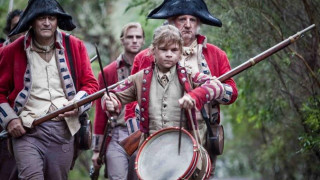
Dan tries to compensate Waruwi for the loss of her dingo by taking a number of items from around the camp and giving them to her. Dan drums out the Marines as they march to the point.
Tuning In
Dan wants to make things right. As you watch, consider these focus questions as you write some key words in your Inquiry Journal:
- What does Dan choose to give Waruwi?
- What do these items mean to him?
- How might Waruwi interpret them?
Organise your thoughts into a grid with three sections, to complete a Connect / Extend / Challenge thinking routine:
- Connect: What does this remind me of?
- Extend: What new ideas does this give me?
- Challenge: What questions or tensions does this raise?
Finding Out & Sorting Out
Using your ‘Tuning In’ notes, work together in small groups to explore how objects, gestures and cultural meaning shape relationships.
Choose one task to complete and share with the class:
Task 1: Artefact Comparison; Camp vs Country
Compare two sets of objects:
- British camp items (drum, boots, tools)
- First Nations items (dingo, stone, movement)
Research:
- What do these objects represent?
- How might their meanings differ across cultures?
Task 2: Ethics Chart; Gift or Compensation?
Chart Dan’s actions:
-
Motive → Action → Impact → Response
Discuss: Is giving objects enough to repair harm? What else might be needed?
Task 3: Sound and Symbol Task
Explore the drum as a symbol.
- What does it mean to Dan?
- What might it mean to Waruwi?
- How do sound and rhythm communicate power or emotion?
Making Connections
Create a short dialogue or comic strip showing Dan and Waruwi trying to understand each other through objects, gestures or sound.
Success criteria:
- uses evidence from the clip
- shows at least two perspectives
- communicates a clear emotional or cultural exchange
Learning support:
- provide visual templates, such as a storyboard.
- find references and visual clues from previous tasks, to ensure appropriate cultural interpretation and ethical reflection are included.
Clip 3: Cat-o'-nine-tails
Dan prepares to endure a flogging after disobeying orders and leaving his post. However, his punishment is abandoned after Waruwi appears with a puppy for the governor.
Tuning In
Dan faces punishment for doing what he felt was right.
As you watch, think about:
- What risk did Dan take by disobeying?
- Why Waruwi appears with a puppy?
- What does this moment say about justice and relationships?
With a partner, Think/Pair/Share as you unpack your thinking:
- What do you notice?
- What makes you say that?
- What might this mean?
Finding Out & Sorting Out
Explore how justice, empathy and cultural exchange shaped early relationships.
Choose one group task:
Task 1: Historical Justice Comparison
Compare convict punishments (e.g., flogging) with First Nations justice systems (e.g., restorative practices, kinship accountability, law vs lore).
Ask:
- What values are behind each system?
- What does “making things right” look like?
Task 2: Symbolic Gesture Reflection
Discuss and prepare an oral presentation for the class:
- What does the puppy represent?
- How does this act shift the power dynamic?
- What does it teach us about cultural generosity and resilience?
Task 3: Restorative Response Plan
- What harm occurred?
- What needs to be repaired?
- What actions show respect and understanding?
Draft a short Restorative Response Plan (RRP) - 3 steps a community could use to repair harm while recognising why the rule was broken. Share your chart and explain why your restorative steps are fair and achievable.
See Teacher’s Notes for RRP lesson plan and example of a Restorative Response Plan, applied to the Dan and Waruwi scenario.
Making Connections
Choose a creative way to explore the cross-cultural tension we see between Dan and Waruwi, such as a Comic Strip, Storyboard or podcast script titled “What does justice look like when cultures collide?”
Format: Individuals or pairs create a 6‑panel comic showing: rule broken → discovery → community reaction → apology/repair → restitution → repaired relationship.
Include captions that explain motives and one speech bubble showing a restorative step.
Success criteria:
- uses evidence from the clip
- shows at least two perspectives
- proposes a respectful, realistic response to conflict
Learning support:
- provide sentence starters for younger students
- ask older students to include historical and ethical context
- Success criteria: clear narrative arc; shows cause/effect; includes at least one restorative action.
Learning support: provide a comic strip scaffold with panel prompts
Australian Curriculum Links
|
Year Level |
Content Description |
Inquiry Sprint + Clip Link |
CCP Integration |
|
Year 3 |
Community roles, perspectives, continuity and change |
Clip 1 First Contact: Tuning In: Dan’s dilemma between orders and empathy; Finding Out/Sorting Out: communication breakdown map; Making Connections: reflection on communication and misunderstanding. |
First Nations perspectives on early contact, cultural protocols, and respectful communication. |
|
Year 4 |
First contact; effects of colonisation; differing experiences |
Clip 2 Governor’s Orders: Tuning In: meaning of objects and gestures; Finding Out/Sorting Out: artefact comparison, ethics chart; Making Connections: comic/dialogue showing cultural exchange. |
Impact of colonisation on daily life; cultural meaning of objects; truth-telling. |
|
Years 5–6 |
Perspectives, power, rights and responsibilities; historical significance |
Clip 3 Cat‑o’-nine‑tails: Tuning In: justice and risk; Finding Out/Sorting Out: justice comparison, restorative response plan; Making Connections: reflection/podcast on justice across cultures. |
Frontier conflict; contrasting justice systems; sovereignty; ethical decision‑making. |
|
Year Level |
Strand |
Content Description |
Inquiry Sprint + Clip Link |
CCP Integration |
|
Years 3–4 |
Literature |
Explore characters’ motivations; texts reflect cultural and historical contexts |
Clip 1: Step Inside routine; perspective mapping; reflective writing. |
Recognising cultural difference; interpreting actions through multiple viewpoints. |
|
Years 3–4 |
Literacy |
Plan, rehearse and deliver presentations; interpret multimodal texts |
Clip 2: sound and symbol task; dialogue/comic strip; class discussion. |
Cross-cultural communication, respectful language, interpreting gestures and sound. |
|
Years 5–6 |
Literature / Language |
Analyse how ideas and relationships are represented; create multimodal texts |
Clip 3: podcast script; restorative response plan; justice reflection. |
Truth-telling; comparing narrative perspectives; ethical storytelling. |
|
Organising Idea |
Curriculum Link |
Episode 24 Connection |
|
Country/Place |
First Nations Peoples’ deep connection to Country |
Waruwi’s protection of her dingo and camp; Dan’s limited understanding of Country. |
|
Culture |
Cultural practices, protocols and knowledge systems |
Meaning of objects, gestures and sound; cultural generosity (puppy). |
|
People |
Identity shaped by kinship and community |
Waruwi’s responsibilities; Dan’s role as a convict child under orders. |
|
Shared Histories |
Impact of colonisation: resistance and survival |
Conflict, misunderstanding, punishment, and acts of resilience. |
|
Knowledge Systems |
First Nations knowledge continues today |
Strategic resistance: cultural interpretation of sound, movement and animals. |
|
Perspectives |
Truth-telling and multiple viewpoints |
Dan’s written colonial perspective contrasted with Waruwi’s oral, relational perspective. |
|
Organising Idea |
Curriculum Link |
Episode 24 Connection |
|
Asia’s diversity |
Explore cultural diversity in the region |
Situating 1788 within broader regional movement and maritime networks. |
|
Asia–Australia connections |
Historical links |
Acknowledge pre‑1788 Macassan contact with northern First Nations communities. |
|
Asia’s contributions |
Cultural exchange |
Compare cultural exchange in Dan/Waruwi’s interactions with other historical exchanges. |