Episode description: Klara and Pim move to a new house in the suburbs with their mother Lucy. Everything feels strange and unfamiliar, and adjusting to their new life will take time. Amid all this change, the children’s grandparents offer a comforting sense of familiarity.
Page to Screen: Tales from Outer Suburbia
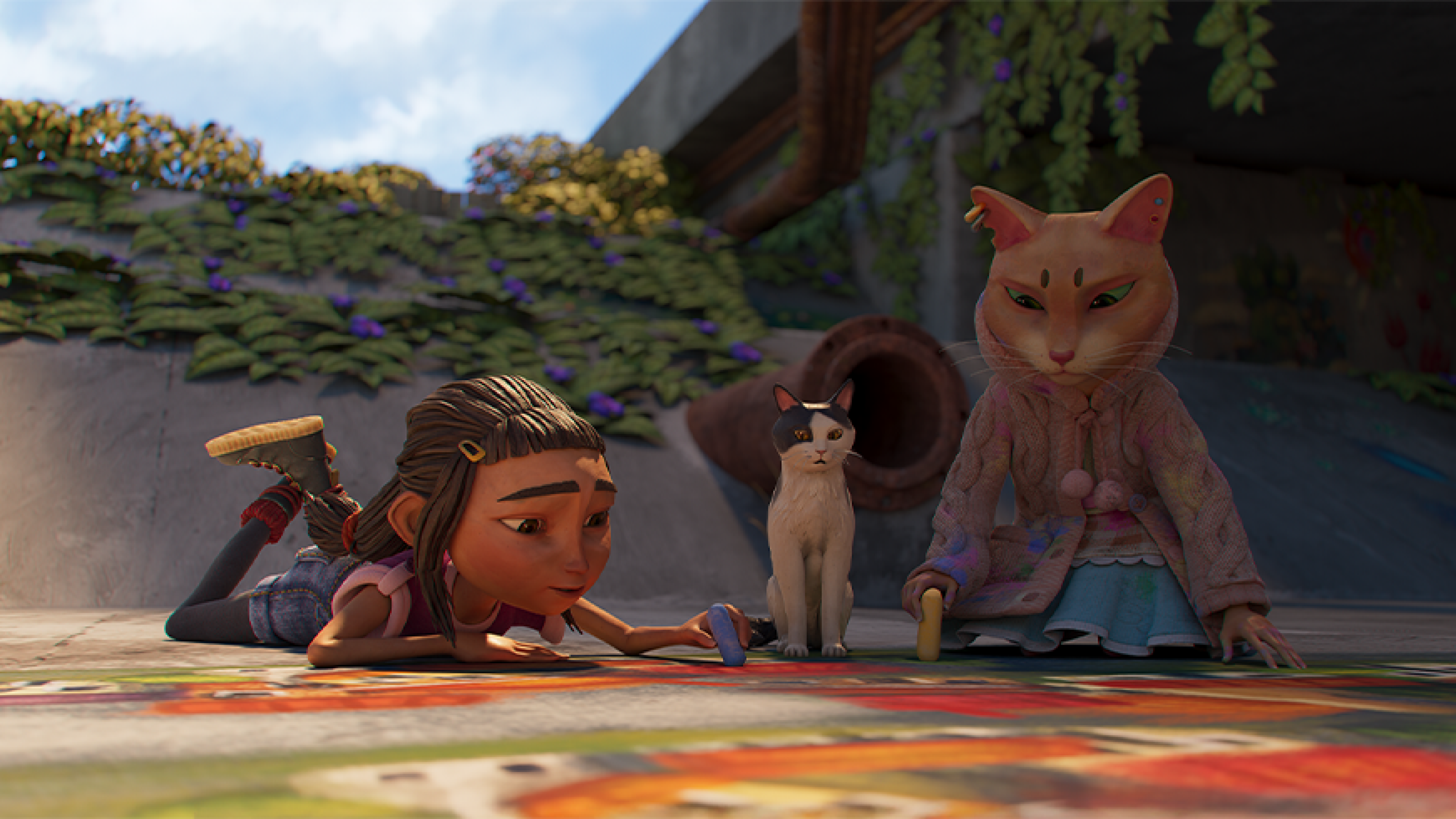
Shaun Tan’s Tales from Outer Suburbia invites readers into a world where the ordinary meets the extraordinary. The animated television adaptation reimagines these stories for the screen, offering new ways to experience Tan’s distinctive characters, settings and ideas. This resource brings together all the page-to-screen activities from the Tales from Outer Suburbia Resource. Choose a single story and episode, compare several adaptations, or explore all ten as you investigate the creative choices that shape character, story and worls across different forms of storytelling.

Episode 1: Water Buffalo
Reflect
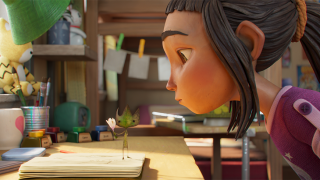
In his stories, Shaun Tan uses imagination to make the everyday world unusual, and this idea is at the heart of the series. Shaun Tan says he likes to think of the people who read his stories as co-creators, who find their own meaning.
I find that what really makes stories work are those gaps, where it’s actually very respectful to the audience and saying, you’re an intelligent creative dreamer. You add in your own interpretation here and ask your own questions.
- Shaun Tan, Source: The Curb
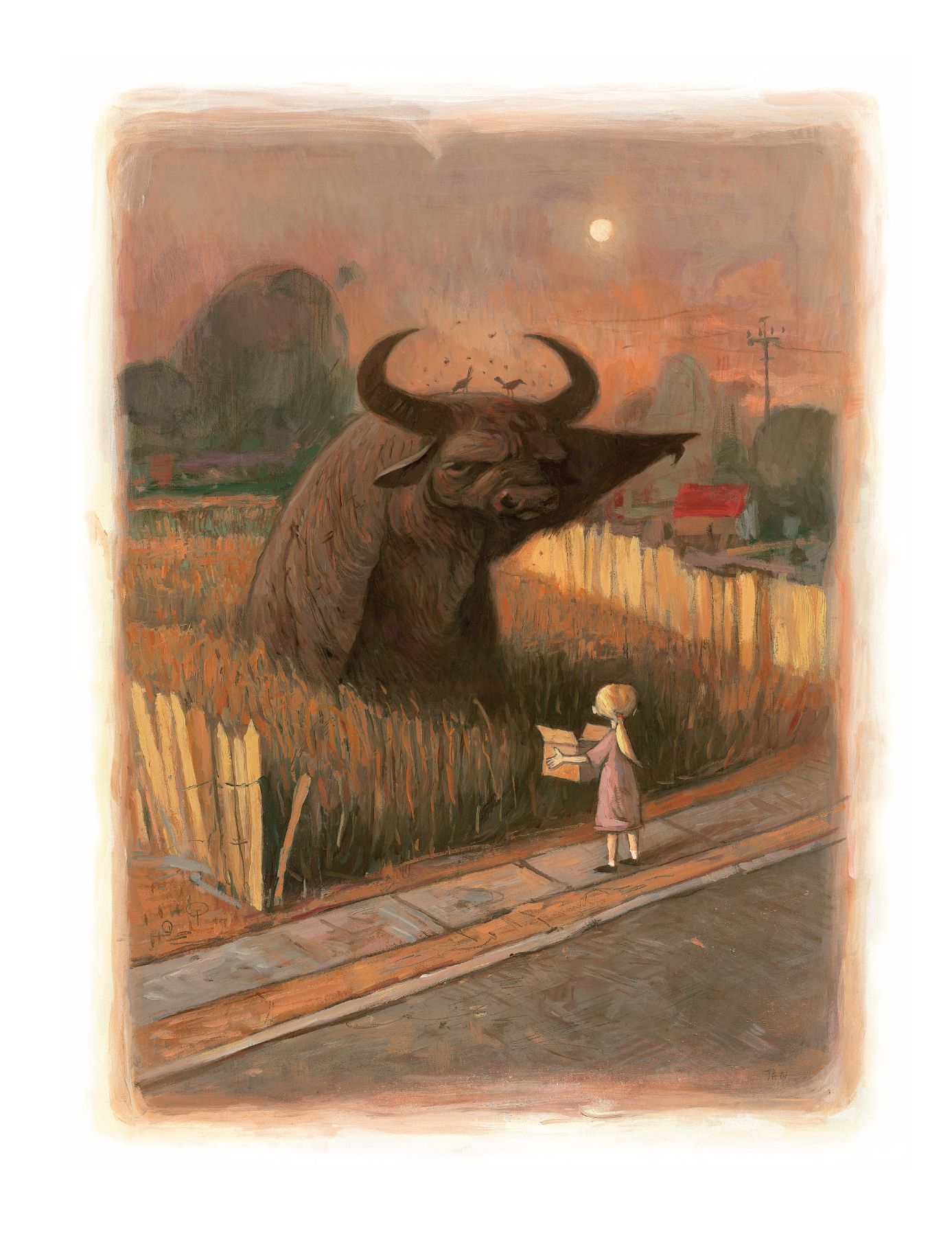
Read ‘The Water Buffalo’, the first story in the book Tales from Outer Suburbia, and work with a partner to answer the following questions:
- How did the story make you feel?
- Choose a few words to describe the feeling (curious, surprised, amused, unsettled, nostalgic…).
- How do the pictures and words work together?
- What things in the story feel ordinary?
- What things feel strange or unexpected?
- What surprised or puzzled you most?
Share your ideas with the class and discuss the following two questions with your partner:
- What parts of the story appear in the episode?
- What has been expanded, changed or added?
Explore
This can be a whole-class, partner or individual activity: Shaun Tan says his stories invite readers to be co-creators. Compare the book and the episode:
- How does each version leave space for the audience to imagine or interpret?
- How do sound, movement and performance change the experience?
- Which version feels more mysterious? Why?
Draw two columns. Label the first column Story, and the second column Episode. Note similarities, differences and what each version adds or leaves unsaid.

Episode 2: Broken Toys
Episode description: It is very hot, and while Lucy tries to fix the air conditioner, Klara and Pim explore the neighbourhood. As the family settles into their new lives, everyday moments blend with unexpected encounters, continuing to surprise viewers and deepen the sense of a neighbourhood where the familiar and the strange coexist.
Watch: Episode 2: ‘Broken Toys’ on ABC iView or download to own from the ACTF Shop.
Reflect
The story 'Broken Toys' from the book, Tales from Outer Suburbia, inspired Pim and Klara’s meeting with the diver in this episode. As a class, read through this section of the book and then review these specific excerpts.
The story begins:
I know you think you saw him first, but I’m pretty sure it was me – he was over there by the underpass, feeling his way along the graffiti-covered wall and, I said, ‘Look there’s something you don’t see every day.
- Tales from Outer Suburbia, page 21
How does the narrator’s voice in the story make you curious about who is speaking, who they are speaking to, and who ‘he’ might be?
The story continues:
Well, we’d certainly seen crazy people before – ‘shell-shocked by life’ as you once put it. But something pretty strange must have happened to this guy to make him decide to wander about in a spacesuit on a dead-quiet public holiday. We hid behind a postbox to get a better look. Up close it was even more perplexing, the spacesuit was covered in barnacles and sea-stuff, and dripping wet in spite of the fierce summer heat.
- Tales from Outer Suburbia, page 21
Explore
Look at Shaun Tan’s picture of the diver from Tales from Outer Suburbia.
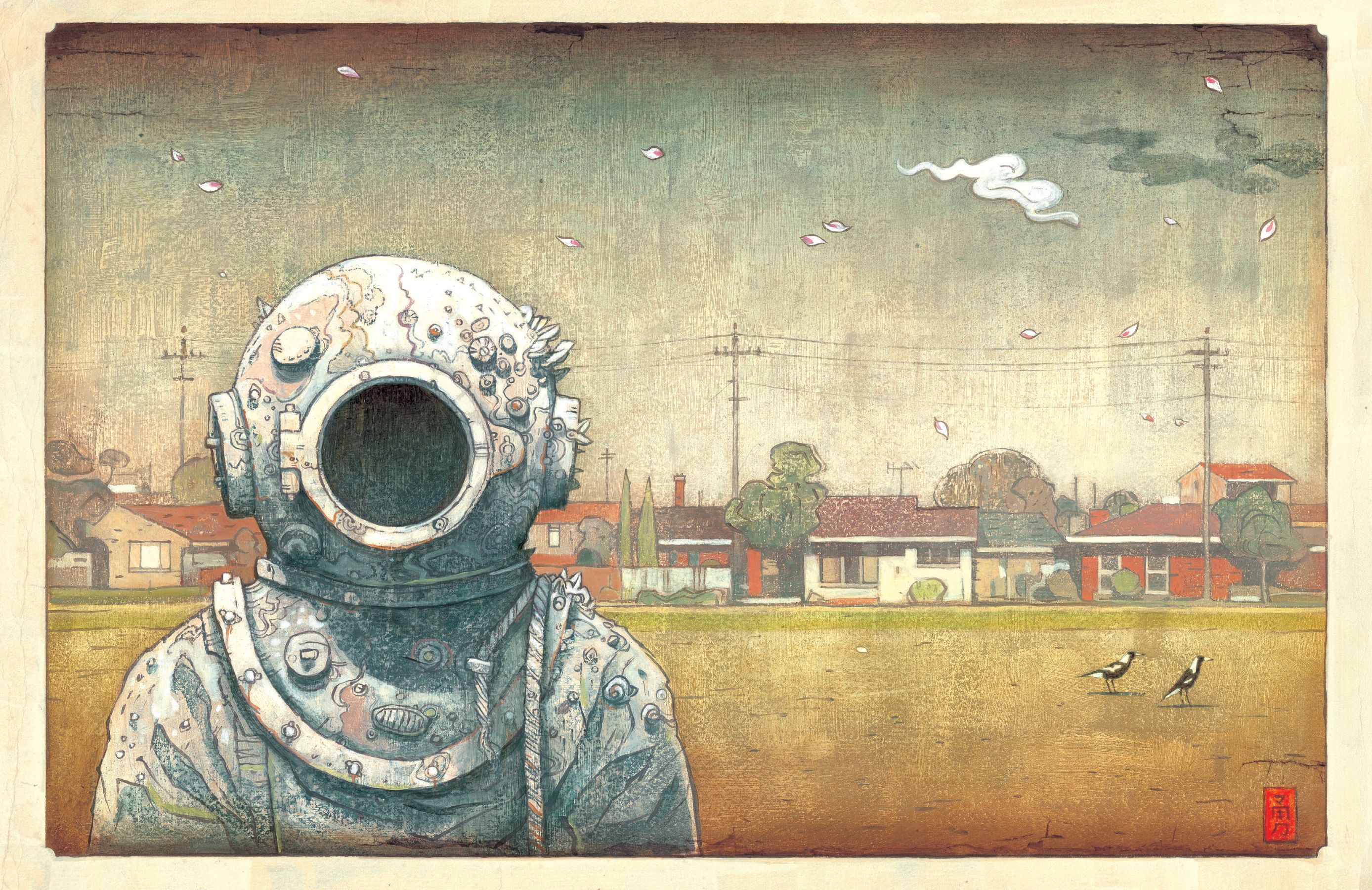
With a partner, discuss your first impressions. What stands out to you? If you had to describe this picture to someone, what words would you use?
Focus on composition (how the elements are placed in a picture). Notice:
- Foreground, middle ground, background: What is placed where, and how does this affect what you notice first?
- Lines, shapes, textures or patterns: How do they guide your eye around the picture?
- Use of space: Are areas crowded or empty and how does this affect how the picture feels?
- Colour, light, and shade: How do these elements interact with the placement of objects or characters?
Describe the effect of these creative choices. How does Shaun Tan use this contrast between the strangeness of the diver and the ordinariness of the setting to make you notice the weirdness or magic in everyday life?
Create
Using what you noticed in Shaun Tan’s illustration, create your own picture, drawing or digital image of a familiar place (like your home, street, or school). Include one or more unusual or surprising elements to make the scene feel imaginative or strange. Try out some of the composition techniques you explored (foreground/middle/background, lines, space, colour, light/shade) to guide the viewer’s attention. Write 2–3 sentences explaining how your composition makes the ordinary feel unusual and the choices you made to guide the viewer’s eye or create curiosity.

Episode 3: Distant Rain
Episode description: Klara continues to express her thoughts and dreams through drawing, while Pim and Lucy have fun writing the adventures of Dogboy. Around them, the neighbourhood fills with words – poems, song lyrics, messages of love and words of hope. All of these feelings are drawn together into an ever-expanding poetry ball that eventually disintegrates leaving shreds of faded words forming new meanings.
Watch: Episode 3: ‘Distant Rain’ on ABC iView or download to own from the ACTF Shop.
Explore
After watching the episode, read 'Distant Rain' in the Tales from Outer Suburbia book. As a class discuss the story:
- What stood out for you when you read the story?
- How did it make you feel? Which words and images gave you the strongest feeling?
- What did you think about the way Shaun Tan mixes words and images to tell the story?
- How does the collage style (mixture of images and words on scraps of paper) add to this story about random words that leave people “with a strange feeling of weightlessness or the private smile that remains long after the street sweepers have come and gone?”
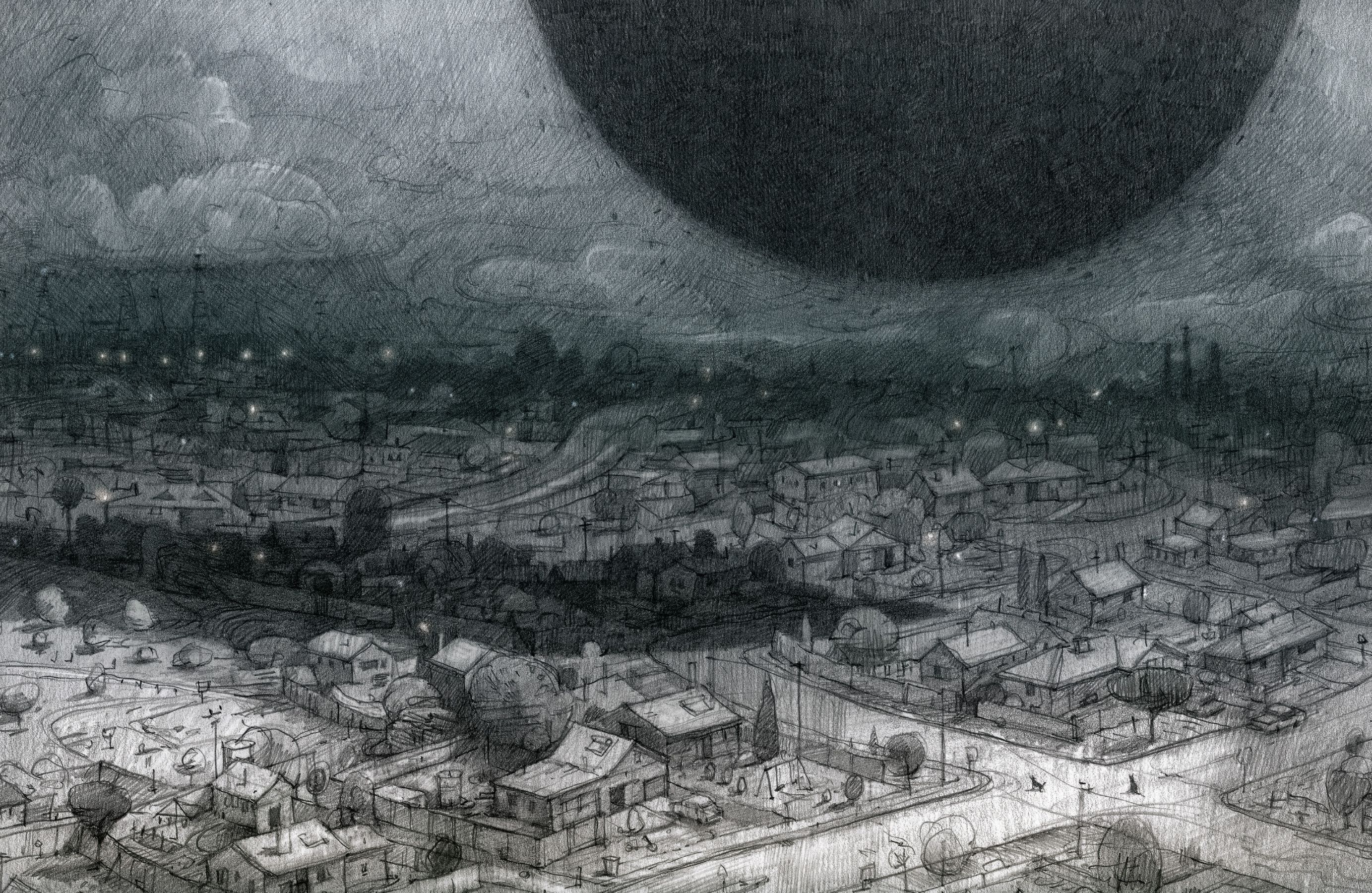
Compare the story and the television episode:
- How have the text, images, and overall look of the story influenced what you see on screen?
- Which ideas, images, or moments from the book are shown in the episode?
- What has been changed, added or left out?
- Which parts of the episode feel the same as the book? Which feel different? Give examples.
Record your class discussion as a mind map that shows:
- what is the same in the story and the episode
- what is different
- how the story influenced the episode

Episode 4: Make a Friend
Episode description: With Klara enthralled by an intriguing neighbour and Lucy starting a new job, Pim needs someone to play with. He builds a dinosaur friend out of junk, stunned when it comes to life. When their fun gets out of hand, Klara joins Pim’s imaginative world to create a magical junk mother to put things right.
Watch: Episode 4: ‘Make a Friend’ on ABC iView or download to own from the ACTF Shop.
Explore
Make your own pet’ of Tales from Outer Suburbia (2008) was originally a piece for an animal charity about rehoming abandoned pets (as my family tended to do a lot growing up - unwanted cats and a deformed budgie). Roadside rubbish days were also big events for scavenging kids. This piece inspired the Tales TV episode ‘Make a friend’ with a similar backyard alchemy used to solve domestic problems.
- Shaun Tan, Source: shauncytan
This episode is inspired by Shaun Tan’s story 'Make your Own Pet' in the book Tales from Outer Suburbia. Explore this story as a class. The story is a step-by-step guide and the end result is a cuddly marmalade cat who seems much better behaved than Pim’s dino friend.
Look closely at Shaun Tan’s story on your own. Pay attention to the materials and textures he uses, the way the text and images work together and how each step guides you to imagine or create a pet. Jot down quick notes or add annotated sketches in your workbook.
As a class, share what you noticed about Shaun Tan’s story and the techniques he uses. Together, list the elements of Tan’s original pet‑making process that also appear in the episode.
Compare Pim’s dinosaur character with Shaun Tan’s marmalade cat:
- How does each character behave? What do those behaviours tell us about the story, or the kind of fun or mystery the creators wanted to explore?
- Why do you think the animators chose a dinosaur rather than a calm cat?
- In what ways is Pim’s dinosaur different from Shaun Tan’s marmalade cat? Why might the creators have made those choices?
Comparing Pim’s dinosaur character with Shaun Tan’s original marmalade cat highlights some key differences between screen stories and stories in books:
- How does slowing down to study the pictures and text in a picture book shape your experience of the story and its characters?
- How do movement, sound and setting in a screen story lead to, or require, a different kind of character design?
- Both the book story and the episode are funny, but in different ways. What is funny about each version? How does thinking about this help you understand some of the differences between a picture book story and an episode of a television series? After sharing your ideas in small groups or as a class, write your own reflection. Include specific examples from both the book and the episode to support your ideas.

Episode 5: Eric
Episode description: Lucy is looking forward to the arrival of a boarder to help ease the family’s finances, but an unexpected encounter with the water buffalo only adds to her worries. When the family’s tiny new visitor finally arrives, he is full of surprises. He doesn’t stay long but leaves behind something beautiful that gives Lucy, Klara and Pim a new perspective on their lives together.
Watch: Episode 5: 'Eric' on ABC iView or download to own from the ACTF Shop.
Reflect
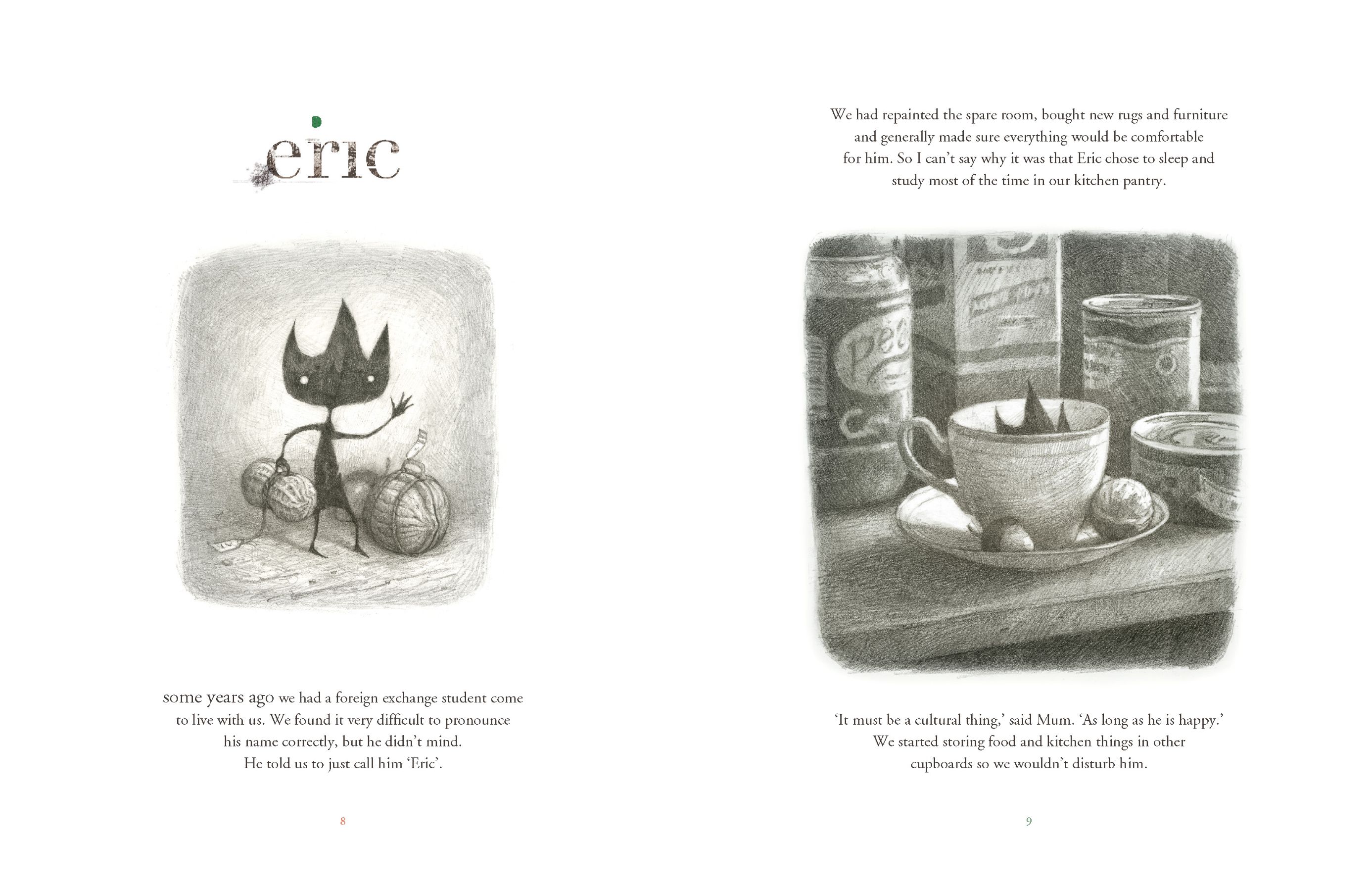
In Shaun Tan’s story, 'Eric' in the book Tales from Outer Suburbia, Eric is a foreign exchange student who comes to stay with a family. The story is told in the first person by a family member, and most illustrations show Eric from the family’s point of view. Eric appears tiny in a world that is not made for his size.
Read the story, look closely at the pages from the book and discuss:
- Where is Eric placed in the pictures?
- How big does he look compared to the people and objects around him?
- What do you think Eric might be feeling in these moments?
- What does this perspective suggest about how the family sees Eric?
You may like to watch Shaun read Eric:
Create
The episode uses similar ideas as the book but shows Eric through the eyes of Klara, Pim and Lucy, giving us more than one point of view. Watch the scene below when Eric arrives.
Notice how some shots let you slip into a character’s shoes and see the world the way they do. These are called point of view shots. Watch the clip again, pause at each moment and ask whose eyes you are looking through. As a class, sketch each shot as a simple storyboard frame and label it with the character who owns that view.
Then look at your storyboard beside the book illustrations. Talk about any new or surprising points of view in the screen version and how these choices help you step a little closer to understanding how Eric might be feeling.

Episode 6: Inner Courtyard
Reflect
Episode 6: ‘Inner Courtyard’ is based on Shaun Tan’s story ‘No Other Country’ from the book Tales from Outer Suburbia. ‘No Other Country’ was inspired by the way people imagine places from their past, often remembering them as more perfect than they really were. In the story, a family escapes from the frustrations of suburban life into a hidden inner courtyard that becomes their special sanctuary.
As a class, read this section of the book and reflect on how outer suburbia is described using bleak language and imagery that includes dirty water, dead fruit trees, extreme heat, disappointment and failure. In contrast, the secret courtyard is shown through rich, detailed illustrations that feel calm, beautiful and protected.
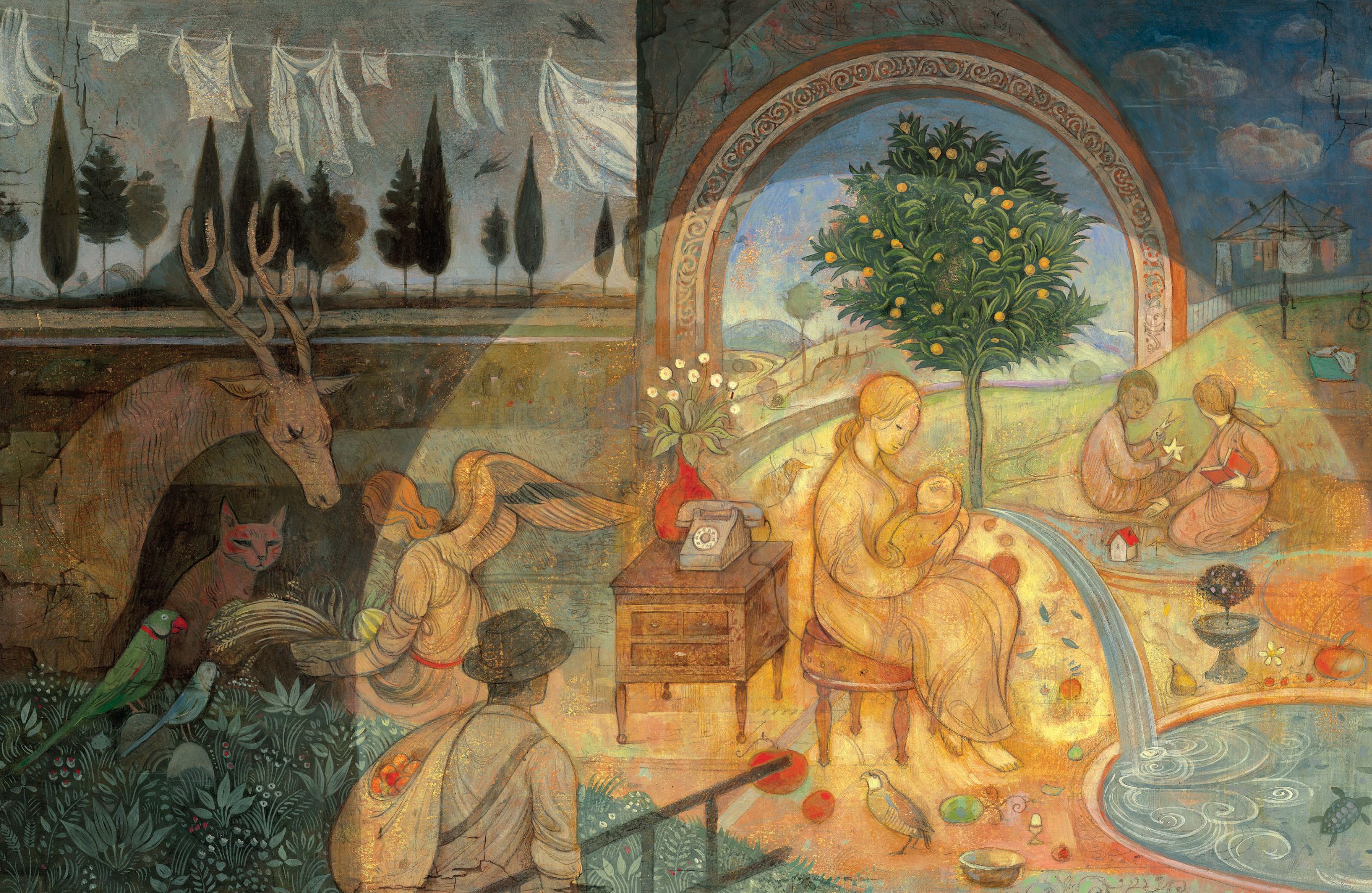
In pairs, explore the book illustration above and answer the following questions:
- What stands out to you in this illustration?
- What colours, shapes or details draw your eye first?
- What feelings does this image create?
In the story, Shaun Tan writes:"The newly planted fruit trees died in the sandy soil of a too-bright backyard and were left like grave-markers under the slack laundry lines, a small cemetery of disappointment.
- Tales from Outer Suburbia, page 56-57
With this sentence in mind how does the illustration communicate the idea of escape? How does the courtyard feel like a different country compared to the backyard? What specific visual details suggest the courtyard belongs to another place or time?
Explore
In the episode ‘Inner Courtyard’, the idea of an outside ordinary world and a secret inner world is translated from page to screen. Discuss in groups:
- How does the episode show the contrast between the ordinary world and the imagined or hidden world?
- What techniques does the episode use that are different from the story? For example, think about sound, music, camera angles, pacing.
- How does the episode make the imagined world feel special or separate?
Like the original story ‘No Other Country’, the ‘Inner Courtyard’ episode is an allegory. An allegory is a story that works on two levels: a literal level (what happens in the story) and a symbolic level (what the story represents). Discuss with a partner and then write individual responses to these questions:
- What does the secret world in the episode represent to you?
- How do the different characters respond to this world and what do you think they learn?
- What did you learn about all the characters through seeing them connect with this world?
- How did the episode make you feel about memory, belonging and family?
- How has this visit to a secret world added to your understanding of the wider story being told in the series as a whole?

Episode 7: Moonfish
Episode description: Klara and Pim have their suspicions confirmed – their father is not coming back. They struggle to deal with their grief, and it threatens to overwhelm them. Grandma and Grandpa step in to help out. Grandpa helps Pim deal with loss and disappointment by taking him moon fishing in the night sky, and Grandma creates a safe space for Klara to let her feelings out.
Context note: The Moonfish story comes from a different Shaun Tan book: Tales from the Inner City, a collection of stories about relationships between humans and animals.
Watch Episode 7: ‘Moonfish’ on ABC iView or download to own from the ACTF Shop.
The episode 'Moonfish' is inspired by a story from Shaun Tan’s book of stories Tales from the Inner City (2018). Of the 25 stories in this anthology, he writes:
The basic premise I set for myself was quite simple: think about an animal in a city. Why is it there? How do people react to it? What meaning does it suggest?
- Shaun Tan, Source: shauntan.net
Reflect
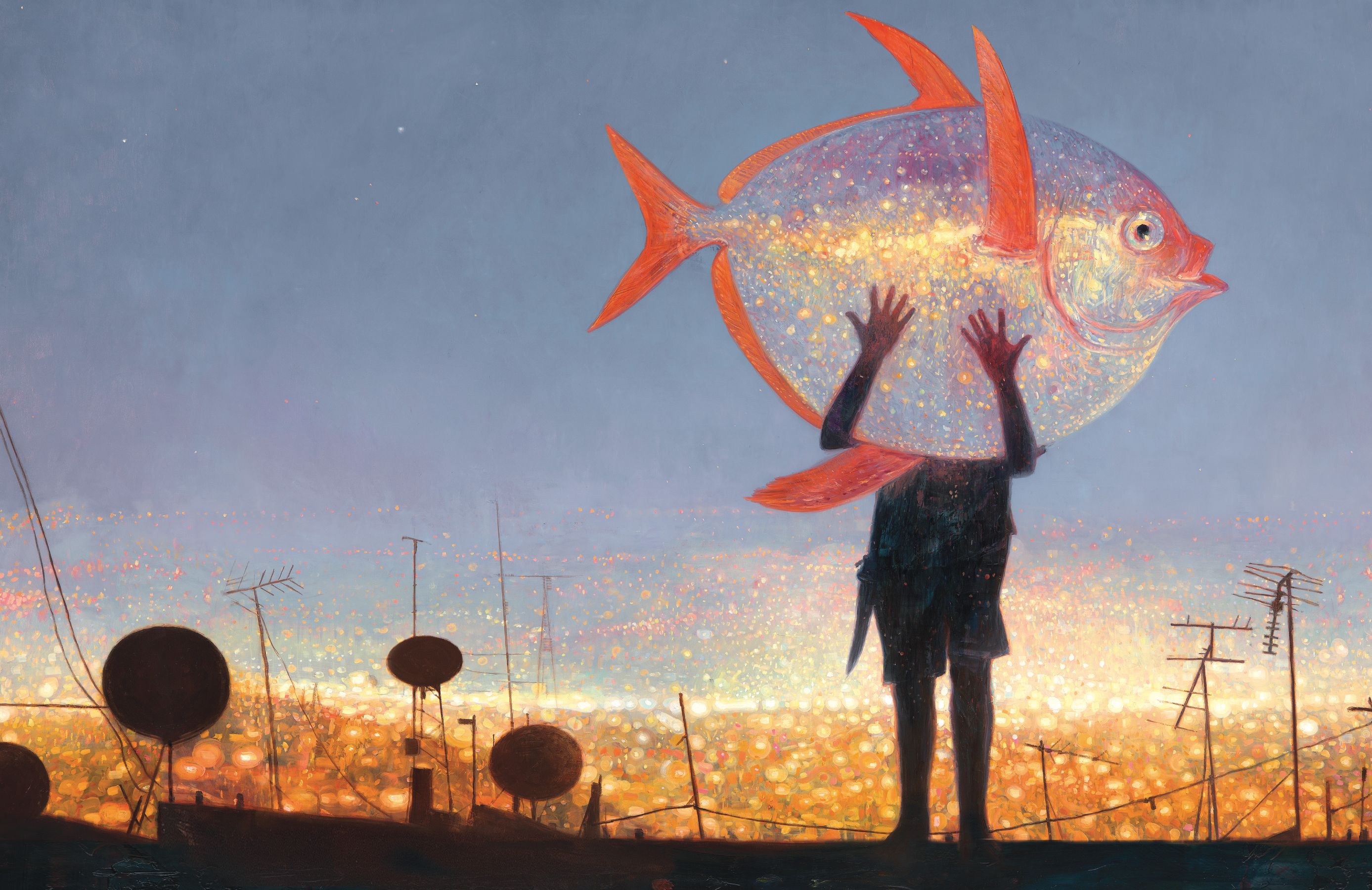
Work in pairs to explore the artwork above. Take your time to look closely and talk together about what you notice. Jot down ideas as you go, as you will use these notes for your individual written response. Discuss:
- How does this artwork make you feel? What might be causing that feeling?
- What does the image make you think about or notice? Why?
- Look closely at the city beneath the Moonfish. Which details catch your eye?
- How would you describe the Moonfish itself, including its size, shape and expression?
- What do you notice about the light, colour or texture used in the artwork?
- Which elements create a sense of wonder, mystery or unease?
Focus on sharing impressions and ideas rather than finding right answers.
Explore
Shaun Tan’s Moonfish artwork above inspired the Moonfish depicted in the episode, both in its appearance and in the feelings it creates in the audience. Using your discussion notes compare the two Moonfish and consider:
- What is similar about the Moonfish in the book and the episode, in both appearance and mood?
- How do the feelings created by the Moonfish artwork compare with how the Moonfish made you feel in the episode?
- What differences do you notice in the screen version of the Moonfish? Why might the creators have made these choices?
- In the artwork, the Moonfish appears above an inner‑city setting, while in the episode it appears in the suburbs. How does this setting change the feeling the creature creates?

Episode 8: Badlands
Episode description: Pim is intimidated by the neighbourhood bullies and Klara is hurt by an overheard conversation between Cat and Esme. Their grandparents continue to help them deal with painful feelings and build resilience by showing them how strong they can be so long as they have each other.
Watch: Episode 8: ‘Badlands’ on ABC iView or download to own from the ACTF Shop.
Explore
Shaun Tan often takes memories, feelings, and ordinary experiences and stretches them into strange, imaginative worlds. For example, when writing 'Grandpa’s Story', he was prompted by a friend’s wedding to think about how close relationships, like marriage, can be brave and even dangerous. To this idea he added a memory of his parents squabbling after getting lost on a scavenger hunt. These ordinary experiences became the starting points for his story and the episode it inspired. Both versions of the story leave a lot of space for us to think and imagine.
Read 'Grandpa's Story' from the book Tales from Outer Suburbia as a class and discuss your first impressions.
Create
Design your own surreal dreamscape, inspired by Shaun Tan. Think about leaving everything familiar behind and venturing into a world shaped by memory and imagination. Your dreamscape does not need to make perfect sense. Focus on creating feelings and questions in your viewer or reader, and give them space to imagine their own response.
In your design, you can:
- transform ordinary places or objects in unusual ways
- mix feelings and memories into shapes, colours or landscapes
- include characters, creatures, or objects that act in surprising ways
- think about how the world feels, not just how it looks
You could show your dreamscape by:
- drawing a series of illustrations that tell the story from your perspective.
- writing a short story describing the world you find yourself in.
- storyboarding an animated story, thinking about shot types, composition and the placement of the dreamer in the frame.
- creating a mini-animation using a flipbook app for 2D drawn animation, or a stop-motion app for 2D cut-outs or 3D clay animation.
- making a surreal digital artwork using a drawing app.

Episode 9: The Dugong
Episode description: It’s Pim’s birthday, but Lucy is called in to work and Klara can think of nothing other than the painting competition. Left to his own devices, Pim encounters neighbourhood bullies, chats with the water buffalo, rides Mrs Katayama’s bus, and even helps rescue a dugong.
Watch: Episode 9: ‘The Dugong’ on ABC iView or download to own from the ACTF Shop.
Reflect
In Shaun Tan’s stories and in the series, characters often meet strange and unexpected creatures. These creatures usually appear without explanation and make us think about feelings, relationships and change.
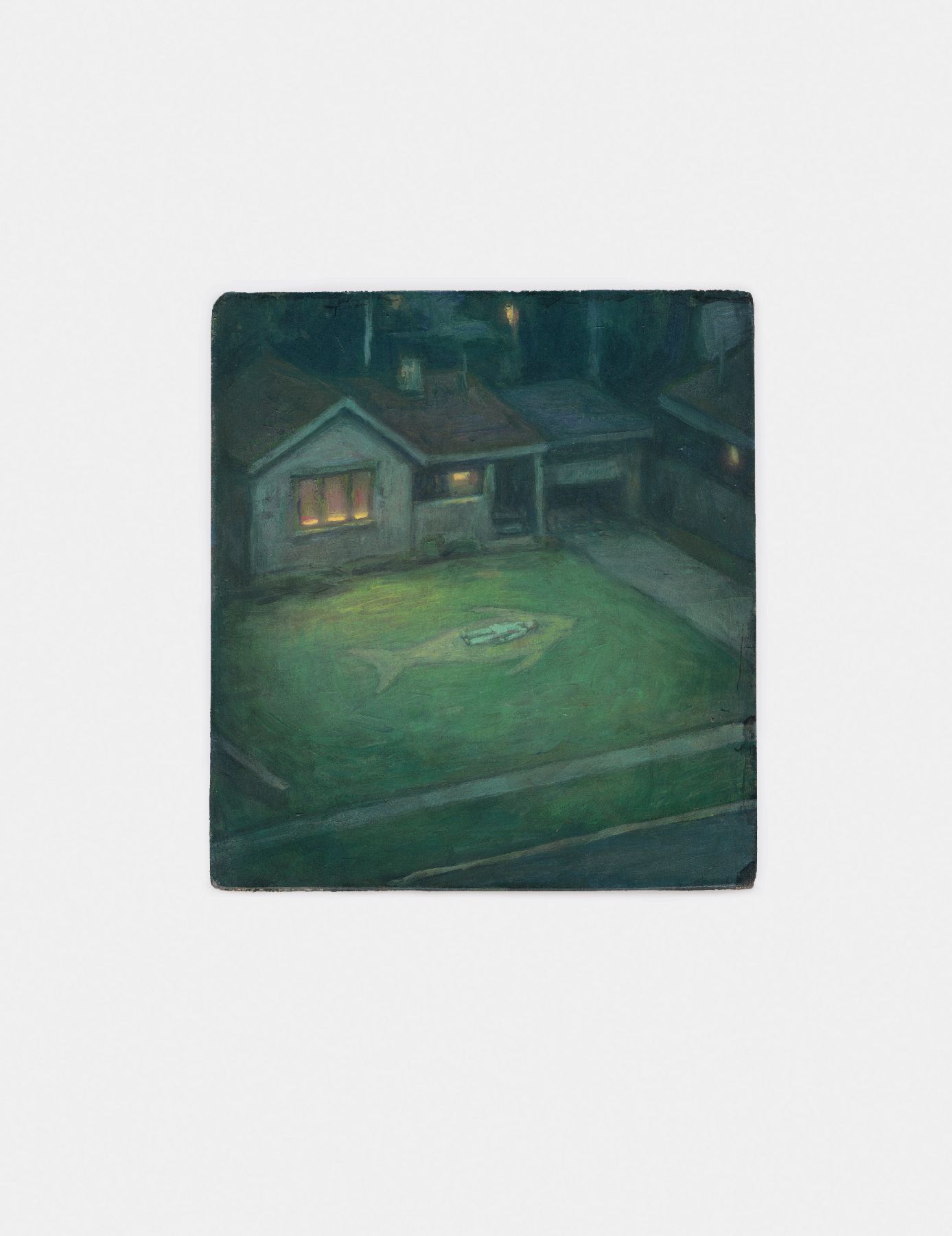
In the story ‘Undertow’ from Shaun Tan’s book a gentle dugong appears on the lawn of a house that is known in the neighbourhood for anger and shouting. No one explains why the dugong is there. Instead, readers are invited to think about how the characters feel and react.
This is how the story ends:
Nobody saw the small boy clutching an encyclopedia of marine zoology leave the front door of that house, creep toward the dugong-shaped patch and lie down in the middle of it, arms by his sides, looking at the clouds and stars, hoping it would be a long time before his parents noticed that he wasn’t in his room and came out angry and yelling. How odd it was, then, when they both eventually appeared without a sound, without suddenness. How strange that all he felt were gentle hands lifting him up and carrying him back to bed.
-Tales from Outer Suburbia, page 38 - 39.
This ending is quiet and mysterious. It leaves the reader wondering what has changed and why.
Explore
When the dugong is introduced in the episode, its arrival is just as mysterious. It also reflects a character’s loneliness and brings about a resolution based on family and connection. Compare the two versions of the dugong story:
- What feelings and emotions are communicated in each version of the story?
- How does the dugong help communicate these feelings? Why do you think Shaun Tan chose a dugong for this story? What does it add?
- What is mysterious or surprising about the dugong in each version?
- How is the episode's depiction/portrayal of the dugong different from the story and what has stayed the same? Make a list of similarities and differences.
- Compare the ending of ‘Undertow’ with the ending of ‘The Dugong’ and describe how the different endings made you feel and what each made you wonder or want to know more about.
Create
Imagine a story about a character who feels sad and alone. As you think, picture an animal that might gently appear and keep them company. What animal would you choose and why does it feel right for this moment? Think about how this animal could fit into the story and how it might change what happens next.
Plan your ideas by jotting down a few notes and sketching the animal you have chosen. When you are ready, write your story. Include how the animal first appears, how it connects with the character and how it helps lift their mood or change their situation. Share your story with others. Bring all the stories together to create a collaborative class book of short stories, just like Shaun Tan's Tales from Outer Suburbia book, with each student contributing one page of writing and an illustration.

Episode 10: Turning Back
Episode description: Klara nervously heads to the city for her art competition, with supportive Pim in tow. But when the journey doesn’t go as planned, Klara’s despair leads to events that will change her and her neighbourhood forever. The threads of the story are pulled together, with Klara at the centre of the resolution, bringing the pieces together with her imagination.
Watch: Episode 10: ‘Turning Back’ on ABC iView or download to own from the ACTF Shop.
Reflect
This final episode ‘Turning Back’ is inspired by the story ‘Our Expedition’ from the book Tales from Outer Suburbia. The story features an older and younger sibling heading out on an adventure that begins with a bus ride. In this story, like Klara and Pim, the siblings find themselves at what feels like the edge of the world, where clouds drift past and the ground falls away.
The story is open and elusive, but a quiet through-line suggests the siblings are learning how to move through the world side by side. This idea is a central theme in the television series. In the final episode, the moment where Pim tears his map in half is just a few minutes long, but it is full of meaning and communicates a great deal about the journey Klara and Pim have been on as a family.
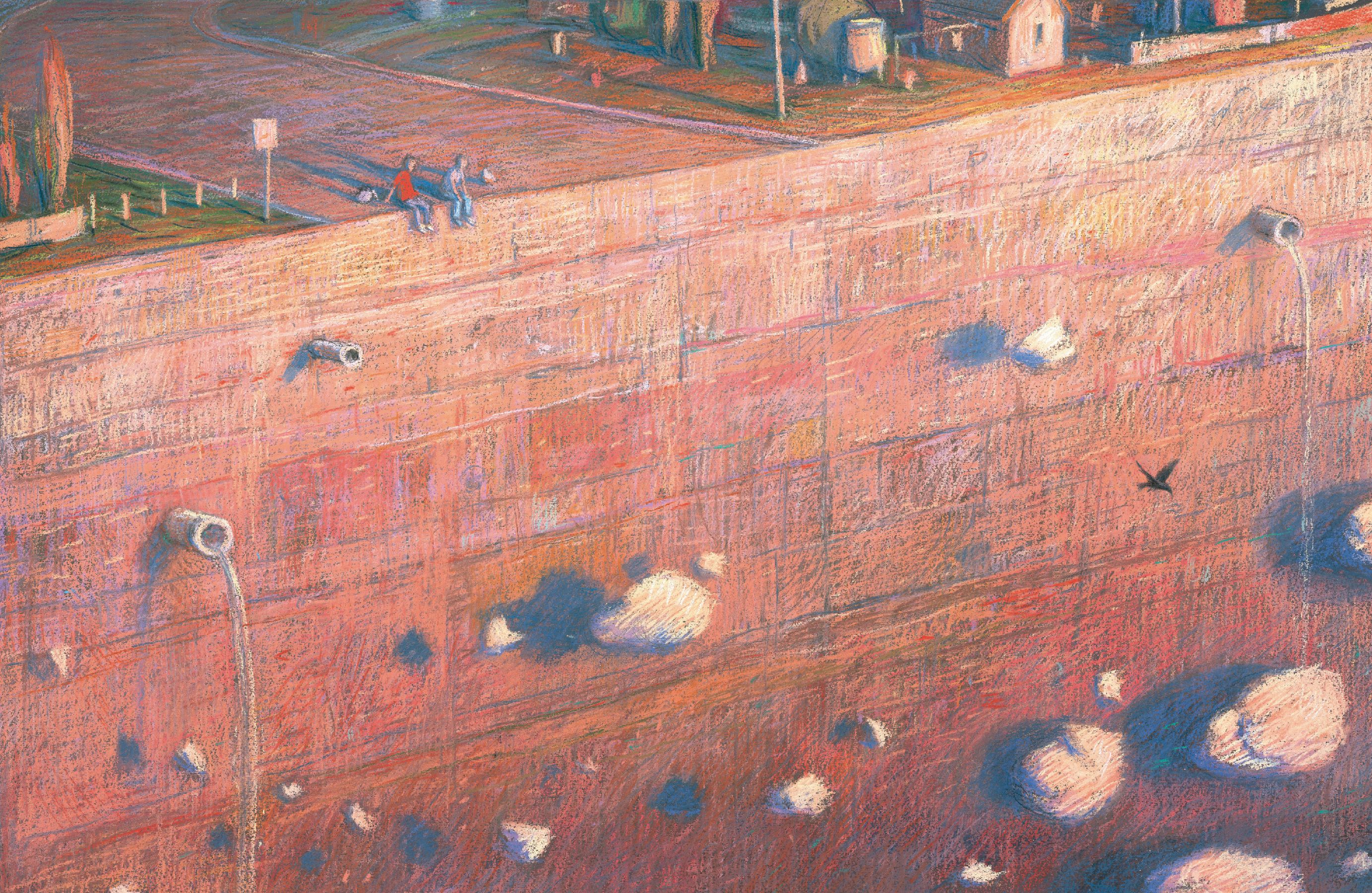
Look closely at the illustration from the book above and think about the similarities and differences in how the siblings are shown in each text.
- What does the picture book image of the siblings at the edge of the world make you think, wonder and feel about these characters?
- How does this compare with the more intimate, emotionally focused edge-of-the-world moment between Klara and Pim in the series?
In the series, the action of Pim tearing the map in half works as a metaphor. A metaphor is something that represents a bigger idea. In this case, it shows us how Pim feels about Klara growing up, family and change. What does Klara’s response tell us about Klara and Pim’s emotional journey over the course of the series and the way their relationship has changed and grown?

Tales from Outer Suburbia Resource
The learning activities included in this resource have been sourced from the Tales from Outer Suburbia Education Resource and adapted for this publication.
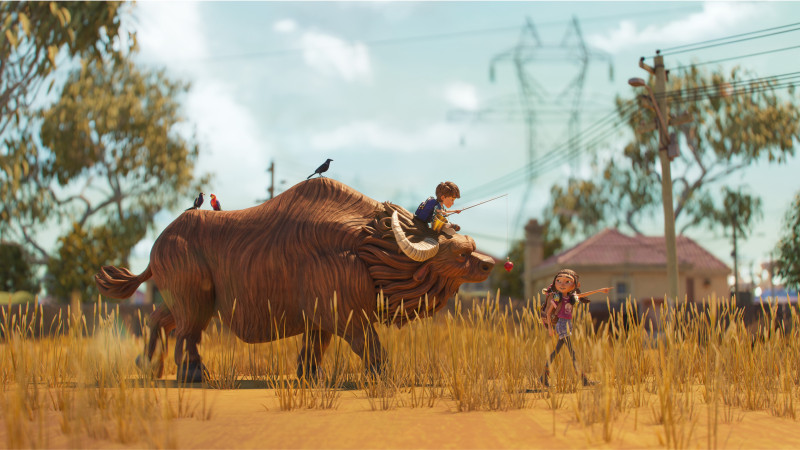
Tales from Outer Suburbia
A creative resource that support Years 5 to 8 students to explore visual storytelling, world building and the hidden wonders of Tales from Outer Suburbia.
More Tales from Outer Suburbia Education Resources
Tales from Outer Suburbia with Shaun Tan
In this virtual workshop, Shaun explores how Tales from Outer Suburbia was adapted into an animated series, sharing insights into storytelling, illustration and the creative process of collaborating with leading Australian animators.
Animating Tales from Outer Suburbia
Tales from Outer Suburbia is a bold new animated series from Highly Spirited and Flying Bark Productions that reimagines storytelling through striking visual design and layered, imaginative ...
Tales from Outer Suburbia Professional Learning
In this virtual professional learning session, Dr Susan Bye will introduce the new education resource and unpack how this imaginative, distinctly Australian series can enrich learning in English and Media Arts.