Episode description: Klara nervously heads to the city for her art competition, with supportive Pim in tow. But when the journey doesn’t go as planned, Klara’s despair leads to events that will change her and her neighbourhood forever. The threads of the story are pulled together, with Klara at the centre of the resolution, bringing the pieces together with her imagination.
Turning Back
Watch: Episode 10: ‘Turning Back’ on ABC iView or download to own from the ACTF Shop.
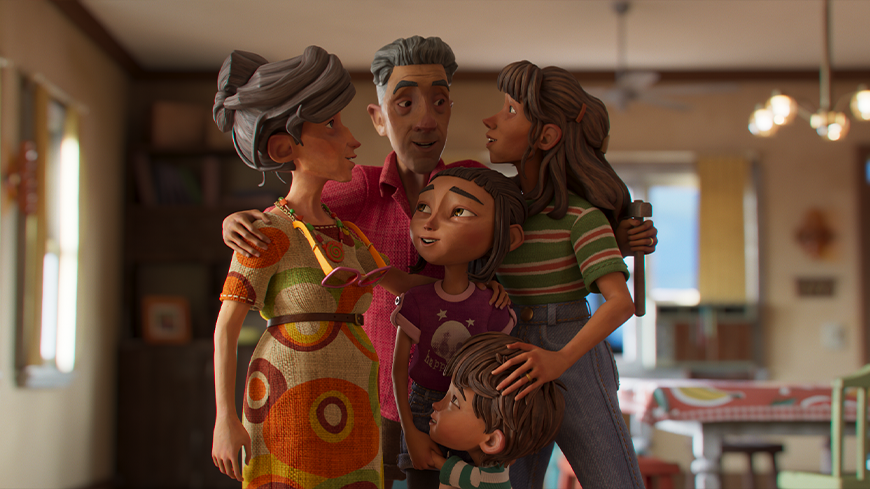
Learning intention: Explore narrative resolution through character development, symbolic moments and visual storytelling, and engage with themes of family and connection.

Activity 1: Reflections and questions
Reflect
Take a quiet moment to write about one scene from this episode that has stayed with you. Describe the moment and explain why it lingered in your mind. Reflect on how the final episode wrapped up the story and how the ending made you feel, whether it surprised you or matched what you imagined. Use at least three descriptive words to capture your feelings, such as satisfied, inspired, confused, surprised, moved or pick your own.
After writing, come together as a class to share your favourite moments, the images that felt powerful or surprising, the funniest parts, and the emotions you experienced while watching.
Explore
Work in pairs to look more closely at the story. Note any questions or problems from earlier episodes that were resolved, anything left unanswered, and the characters who changed the most by the end.
Return as a class to share your reflection. Add your ideas under three headings on the board: Resolved, Unanswered and Changed. Notice any patterns or surprises in what everyone has shared. Consider how these ideas help you understand this episode more deeply and how they shape your view of the series as a whole.

Activity 2: Connection
Reflect
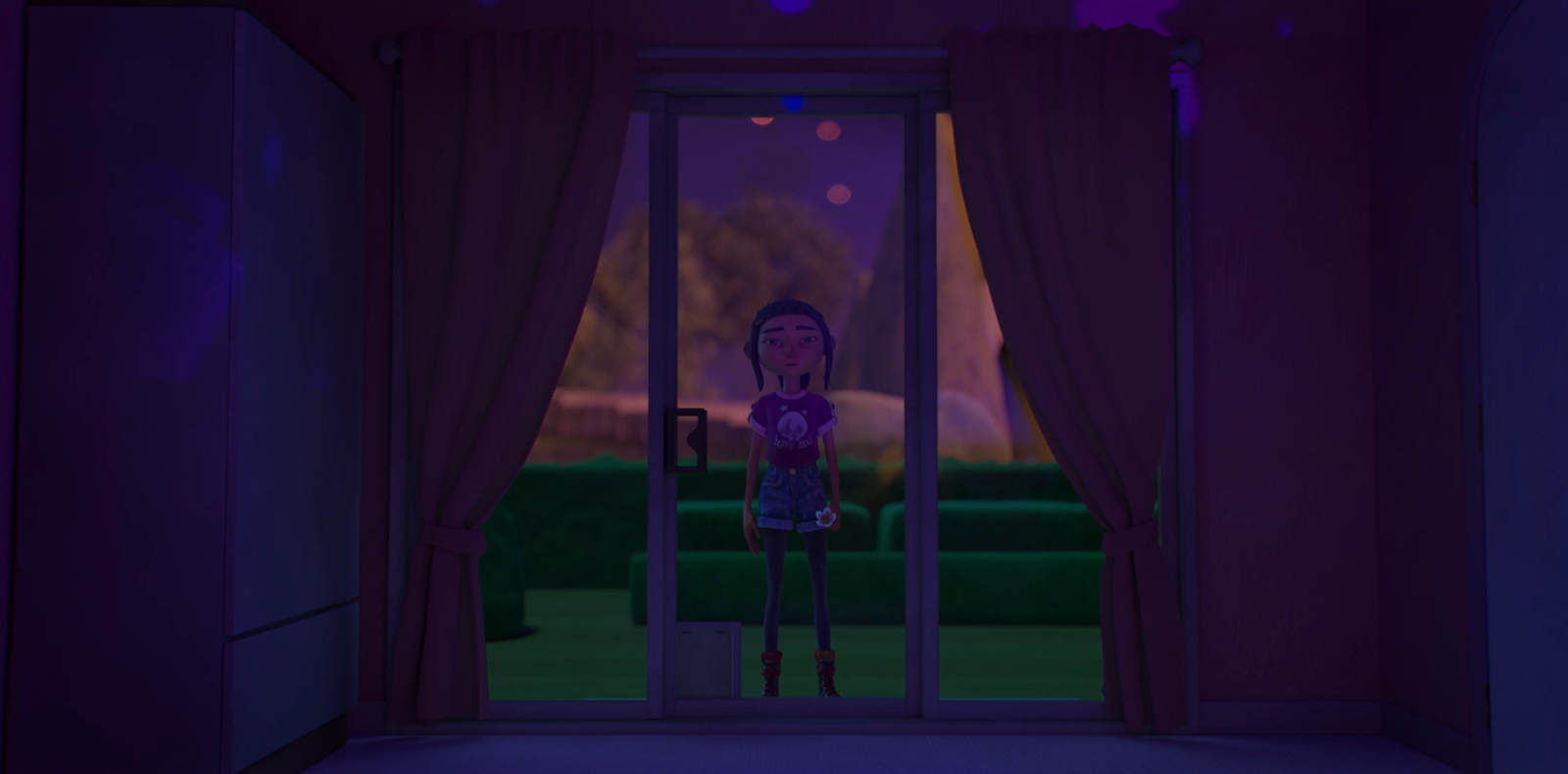
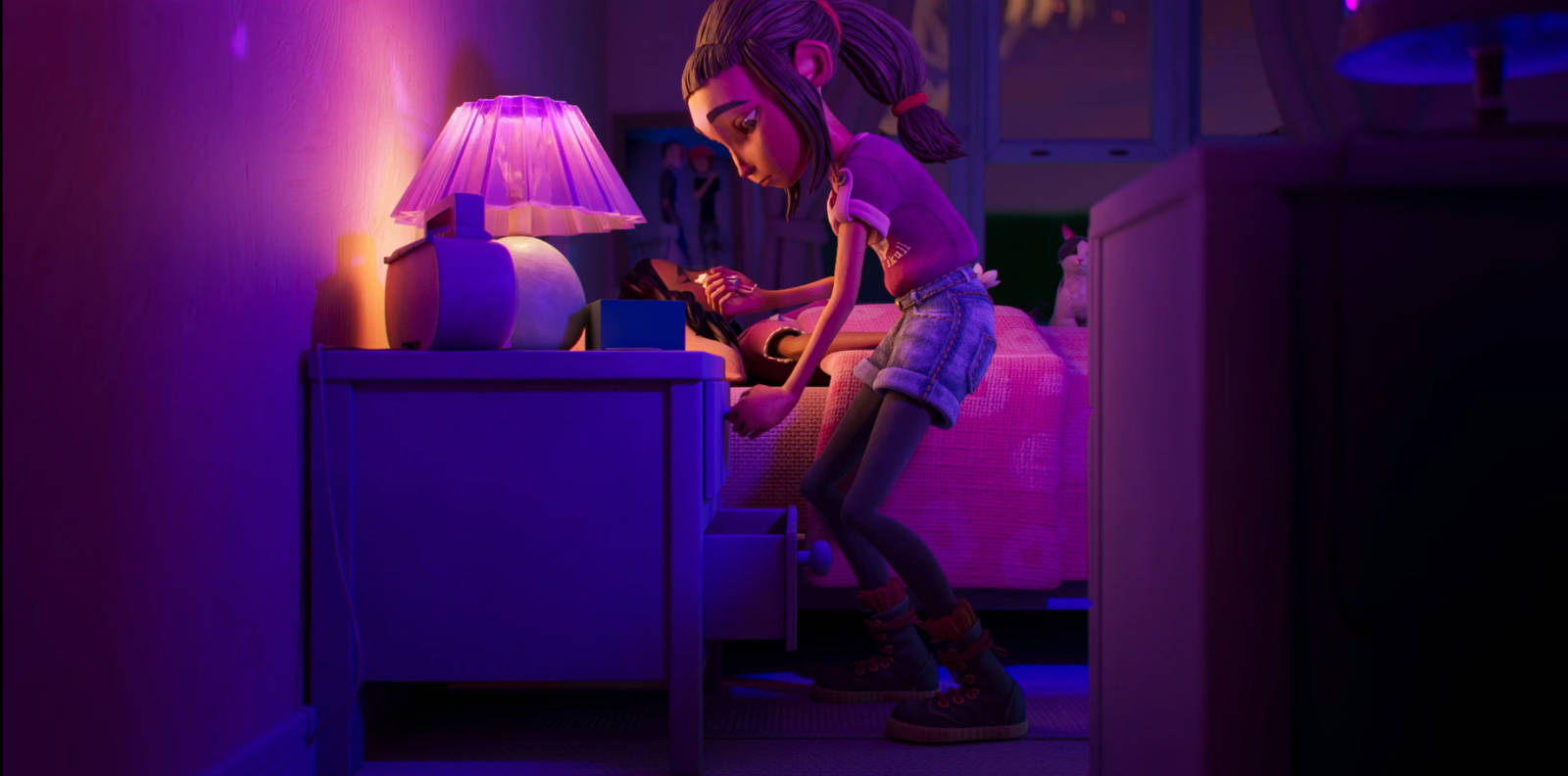
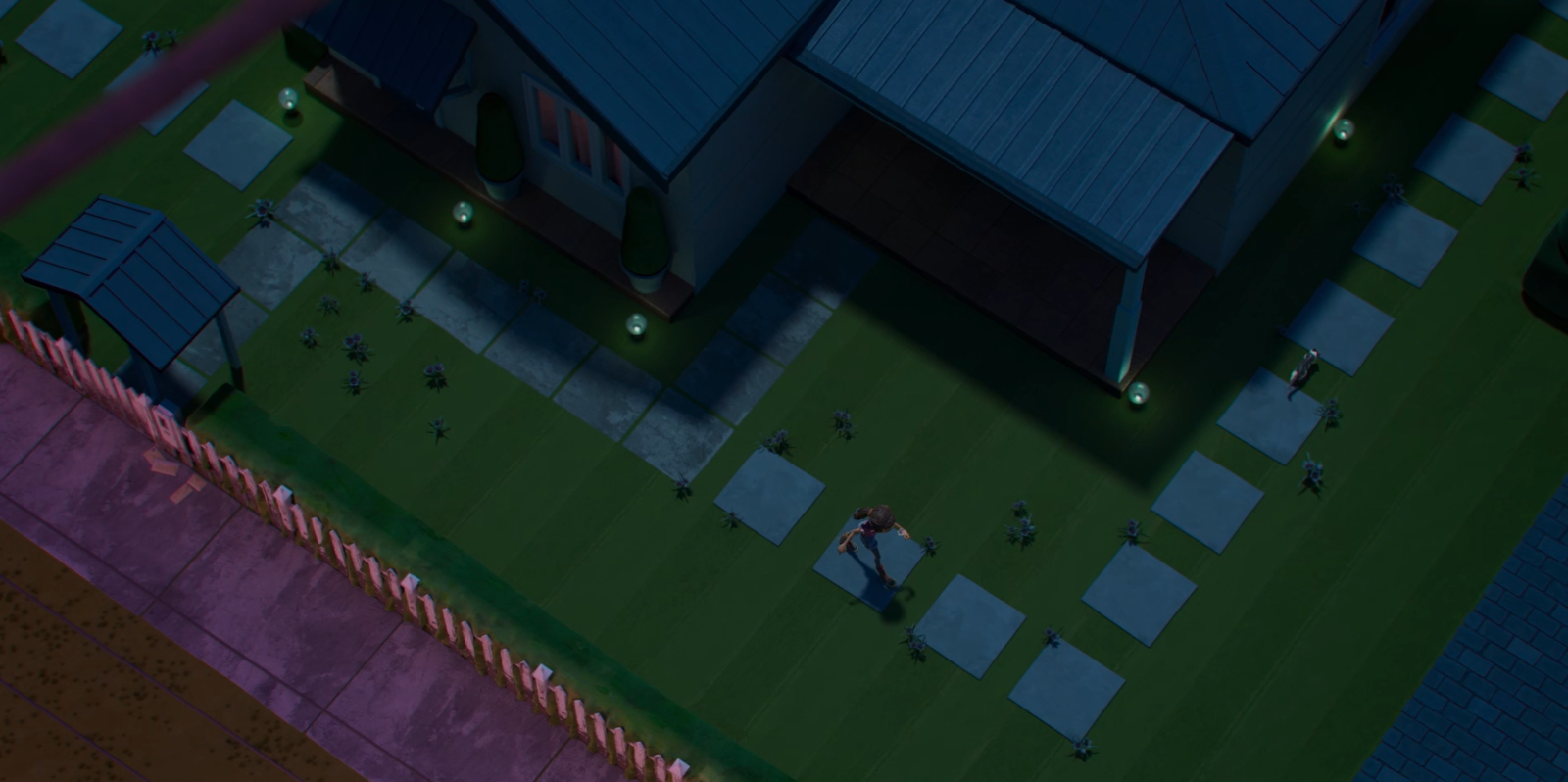
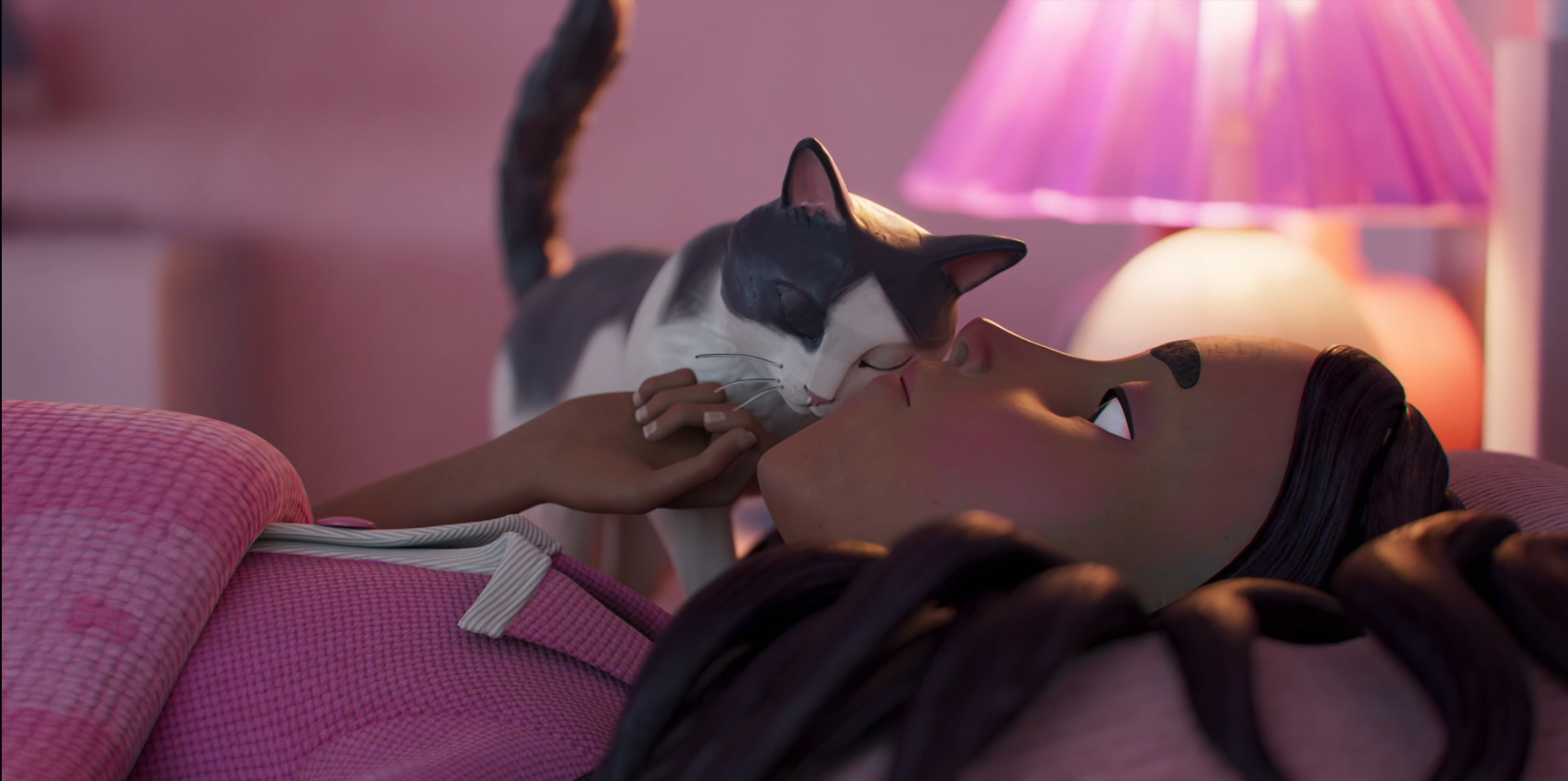
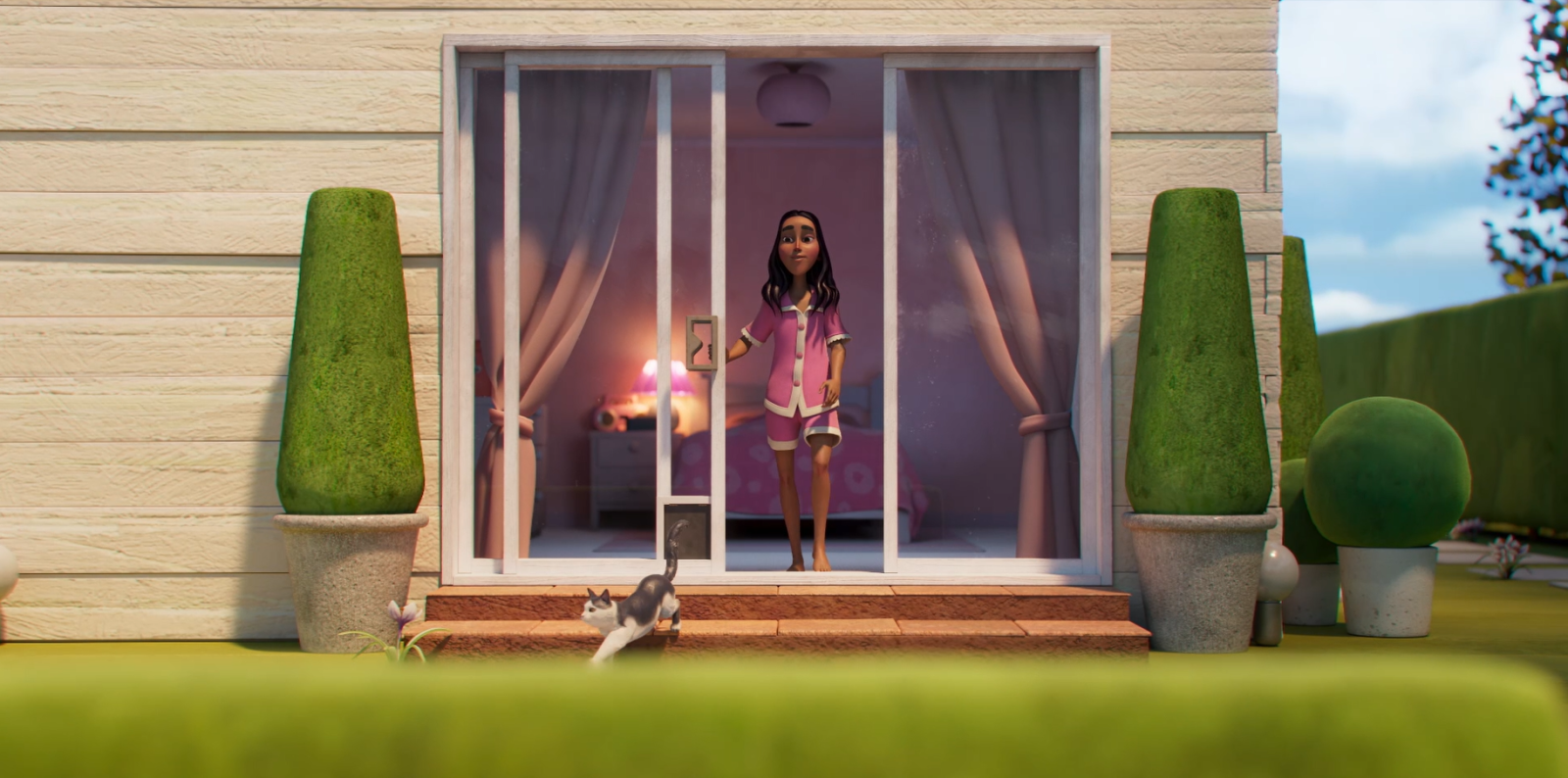
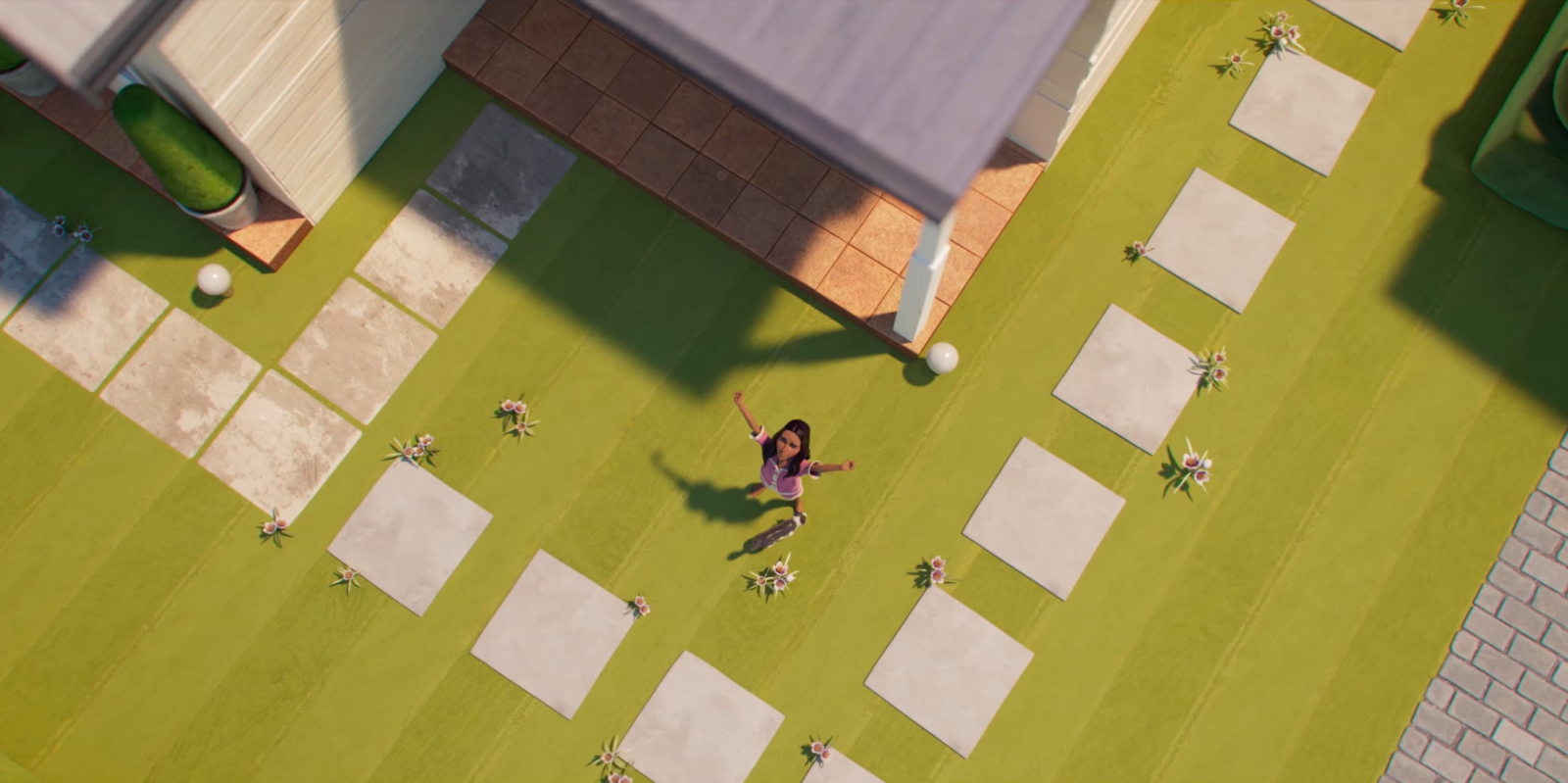
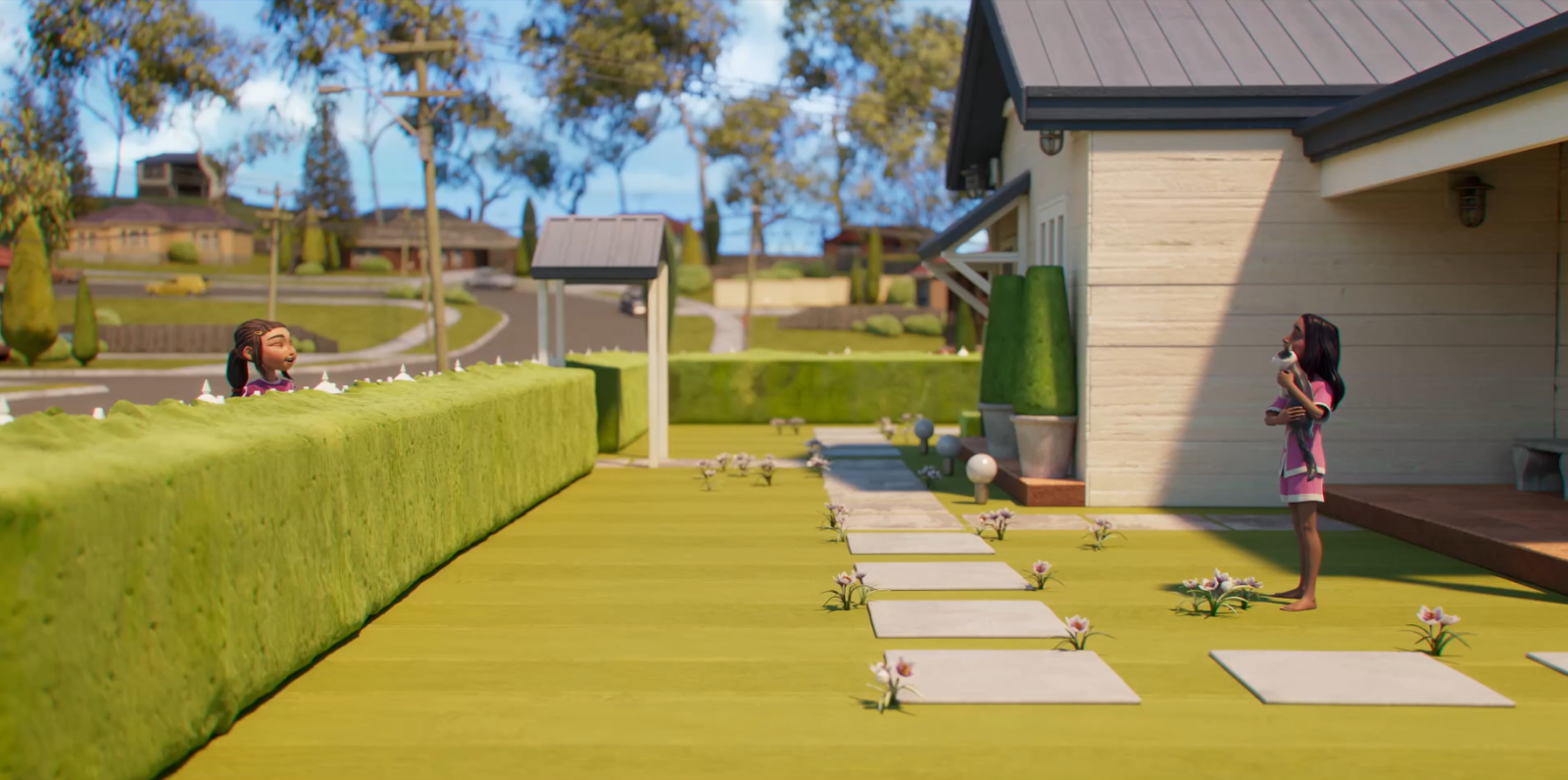
The theme of family and the different ways people can connect and support each other is at the heart of Tales from Outer Suburbia. This theme is central to the conclusion of the series. As a class, discuss the final episode with a focus on the themes of family and connection.
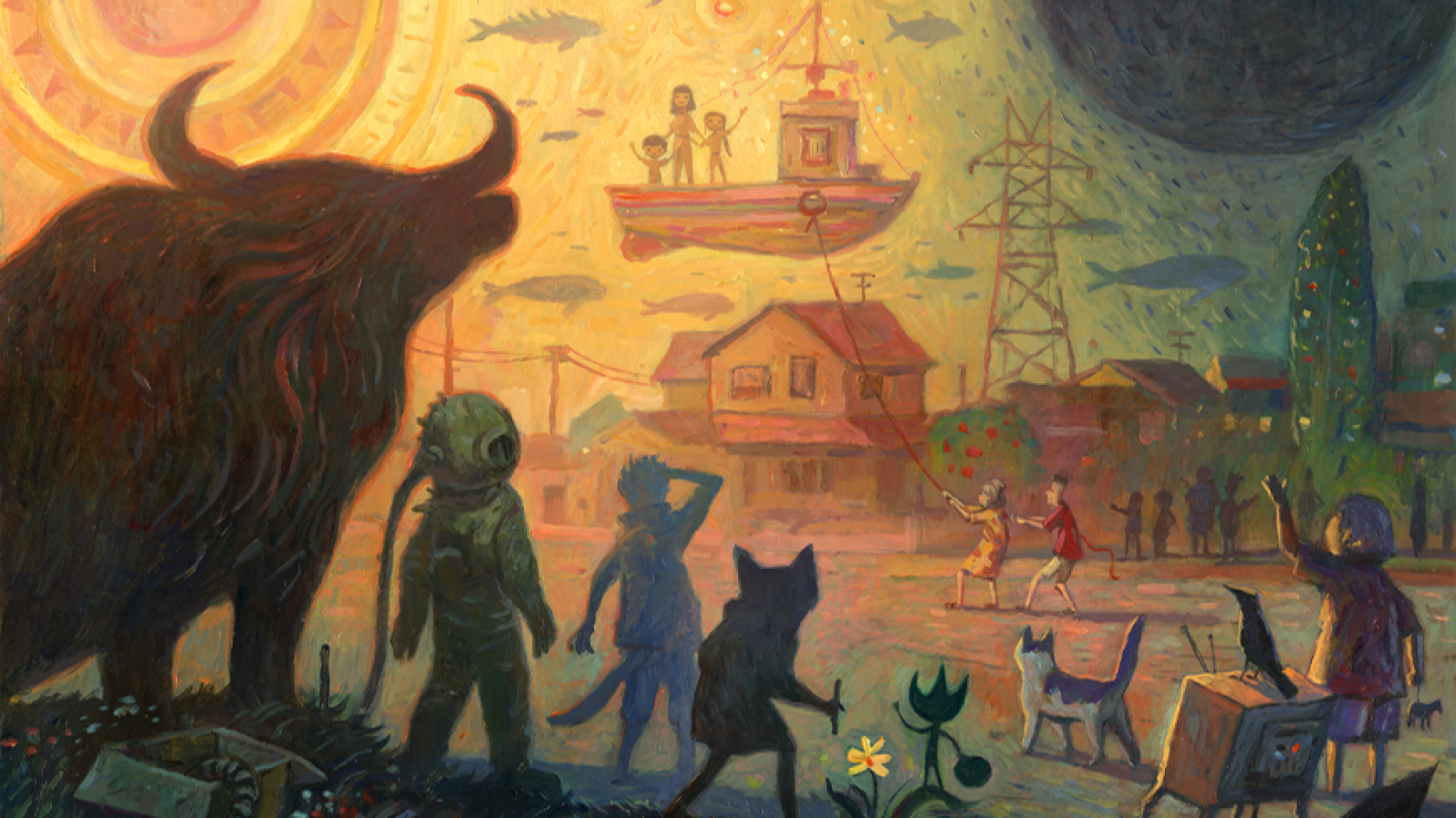
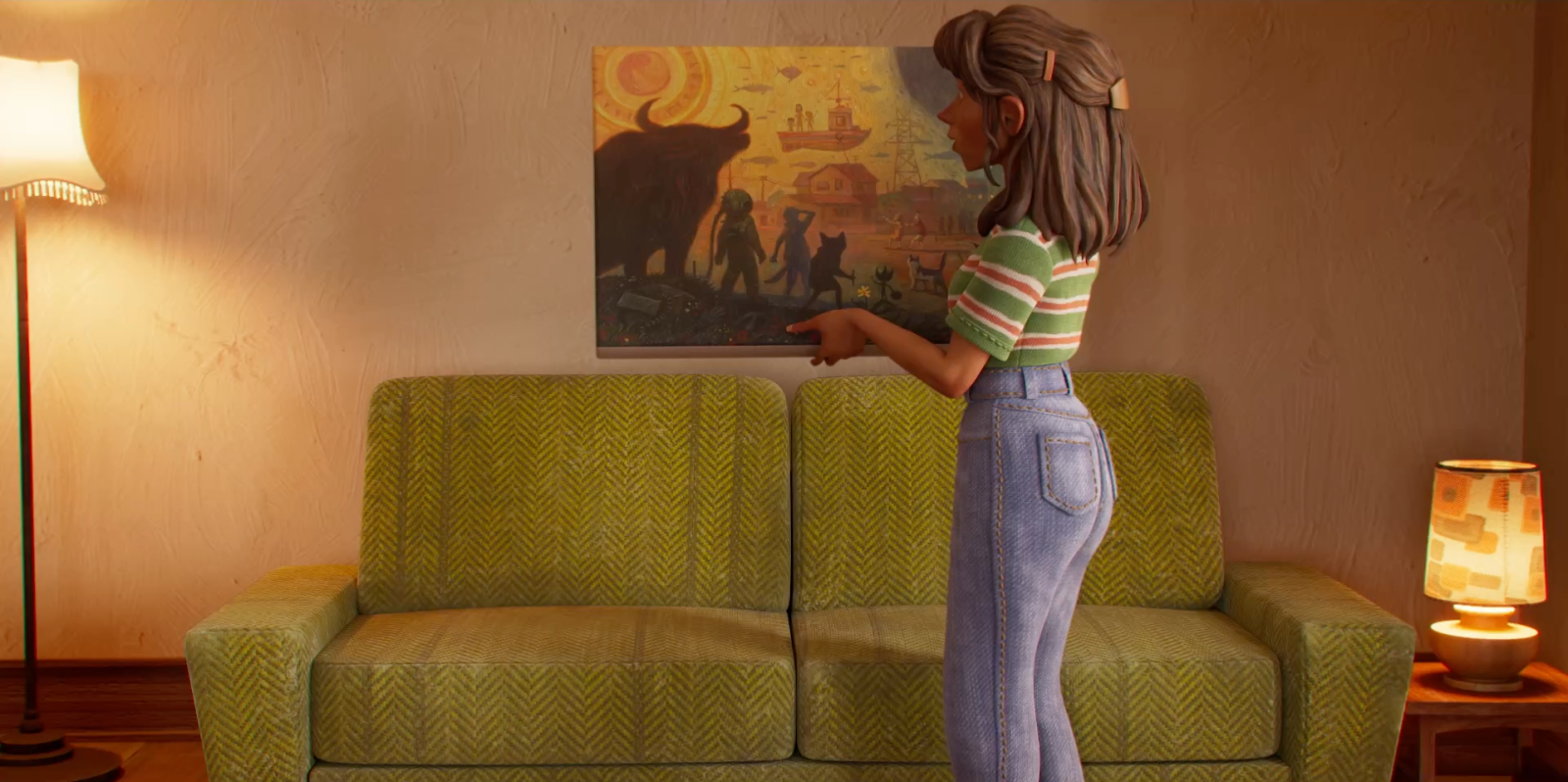
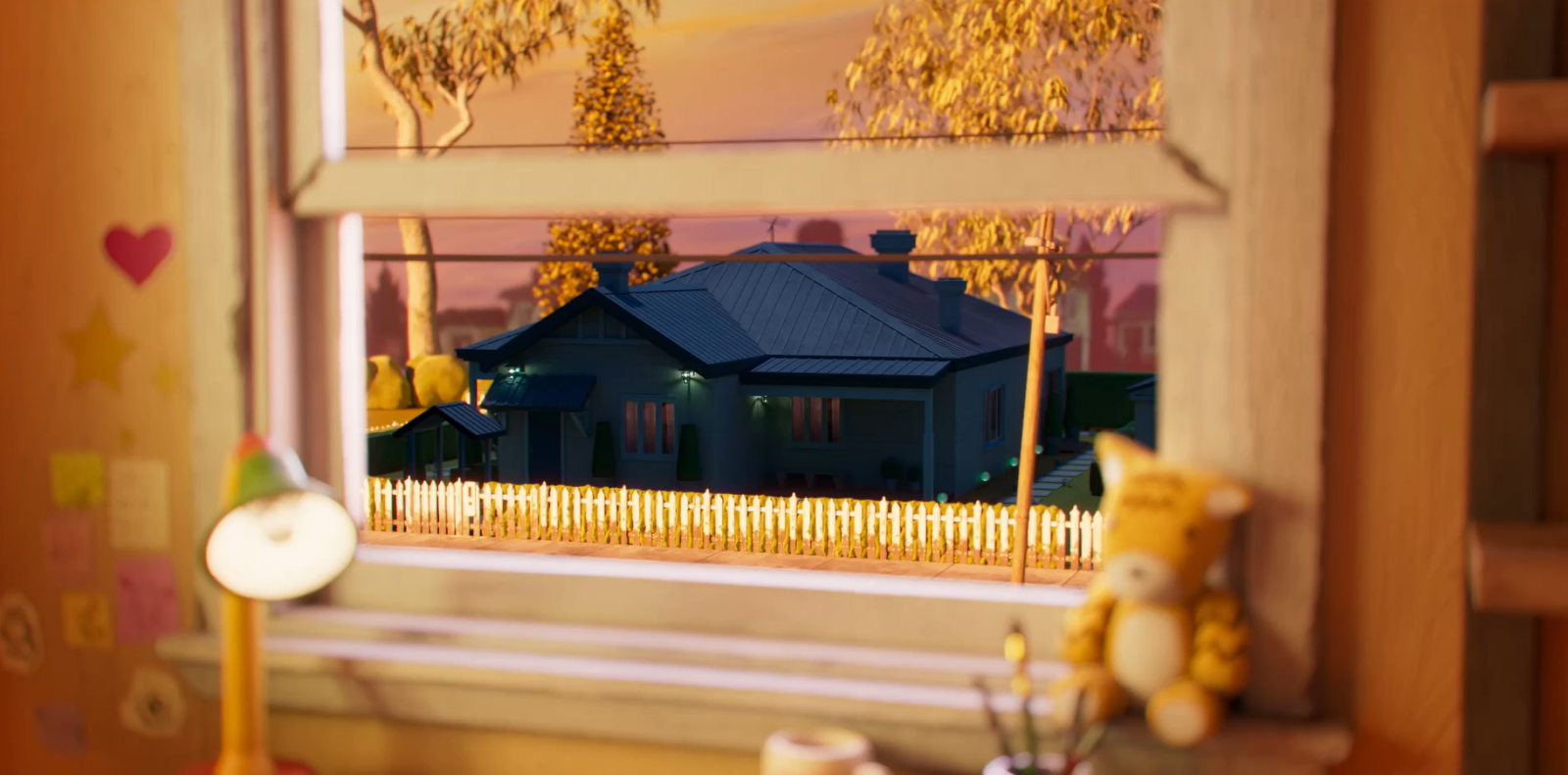
1
/ 10
| Klara's painting |
|
| The Sleeping Girl |
|
Think about the connections between these two storylines:
- What do both storylines suggest about love, family and connection?
- Why do you think the series ends with these moments instead of a more traditional resolution?

Activity 3: Klara and Pim
Explore
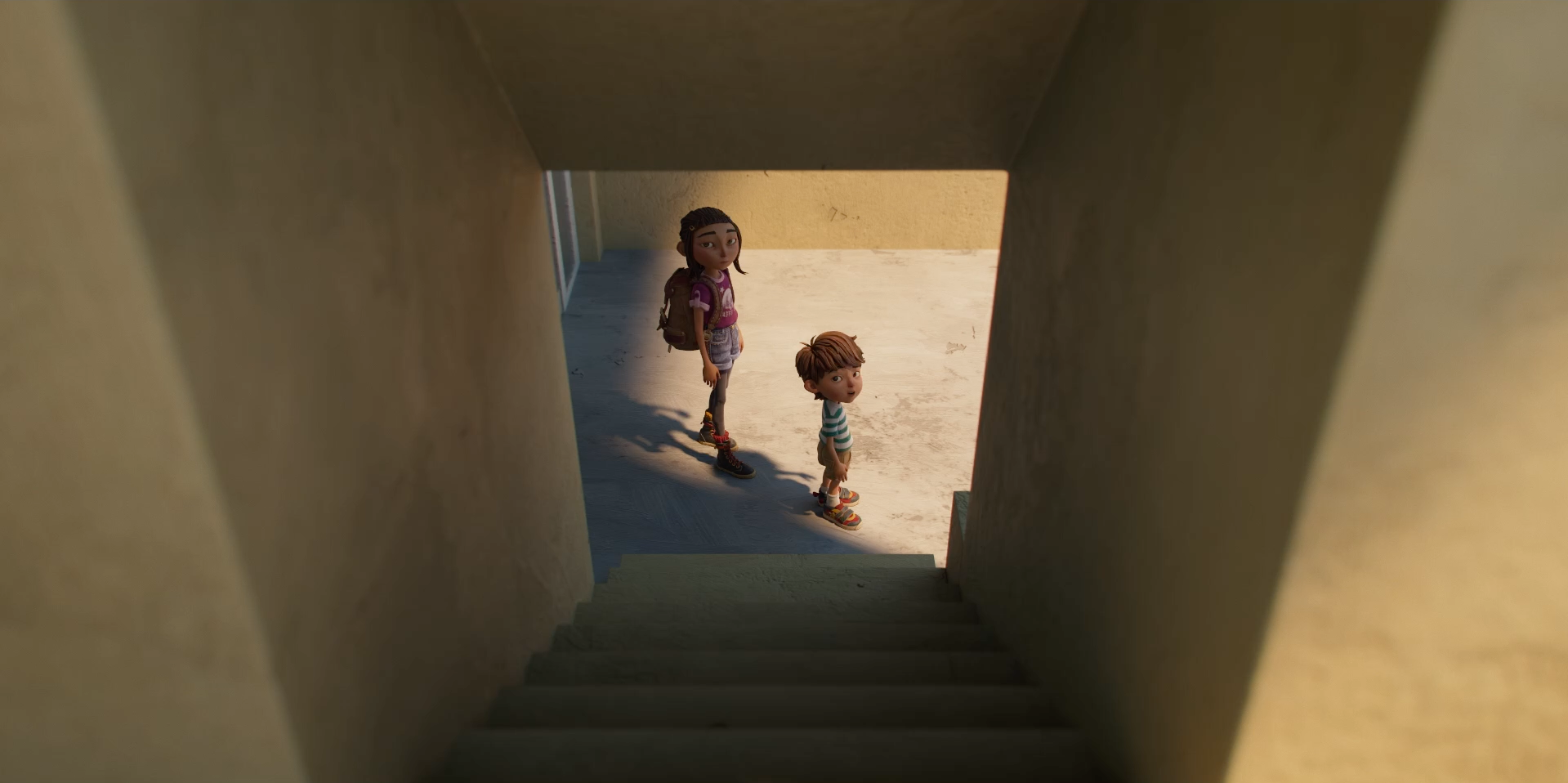
Klara and Pim are the main characters in Tales from Outer Suburbia. Spend some time getting to know them by exploring who they are and how they change across the series. Create character maps that describe each character’s personality, strengths, weaknesses, behaviour, actions, style and interests. Then think back over the whole series and map their journeys. Include the key adventures they experience, the emotions they show, the relationships that shape them and the challenges they face along the way.
Use the character templates below to create visual maps that help you explore and analyse Pim and Klara’s characterisation and their central role in the narrative.
Oh wow, you uncovered a colourful little fun fact!
When Klara reaches her lowest moment, she dreams of flying away with a flock of rosellas. These bright birds have appeared earlier in the series, caught her eye in quiet moments and even inspired her drawings. Her dream brings all these earlier hints together in one emotional, symbolic scene.
Activity 4: The suburbs and the city
Explore
In this episode, Pim and Klara leave their outer suburban neighbourhood and head into the city to enter Klara’s painting into the art competition. By this stage, their neighbourhood has become a familiar environment, while the city is a strange and alienating place.
Watch this scene showing the contrast between the suburbs and the city.
As a class, discuss what you noticed about the contrast between the suburban neighbourhood and the city.
- What is being communicated about the city?
- What is being communicated about the art gallery.
- What is being communicated about how Klara and Pim feel in this unfamiliar place?
Watch the clip again to explore how screen language communicates the differences between the two worlds. Make notes as you watch, using the worksheet below to guide your viewing.
Create
Imagine you are the art director, Thomas Campi. The suburb has been designed, and now it is time to guide your team as they create concept artworks for the city and the art gallery. The city should feel sharply different from the suburb, and the gallery should stand out as an intimidating and alienating presence within the cityscape.
Your task is to write a clear and vivid brief that helps the concept artists understand the look and feel you are aiming for. Be as descriptive and specific as you can, thinking about colour, shape, scale, perspective and the emotional response you want the audience to feel. Use the worksheet below to support your planning and help shape your written brief.
Explore
Look closely at the concept artwork for the cityscape and the art gallery building. Study the shapes, colours and composition, noticing how they work together to create mood and meaning.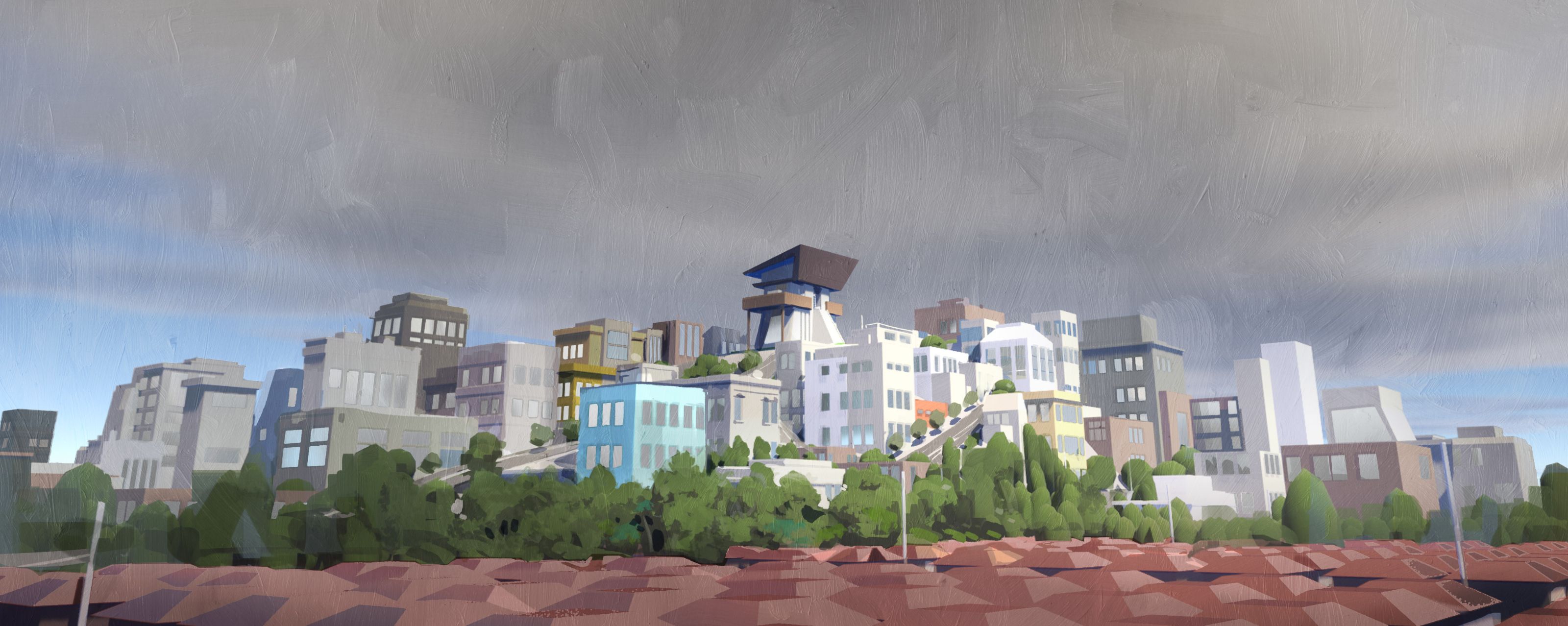
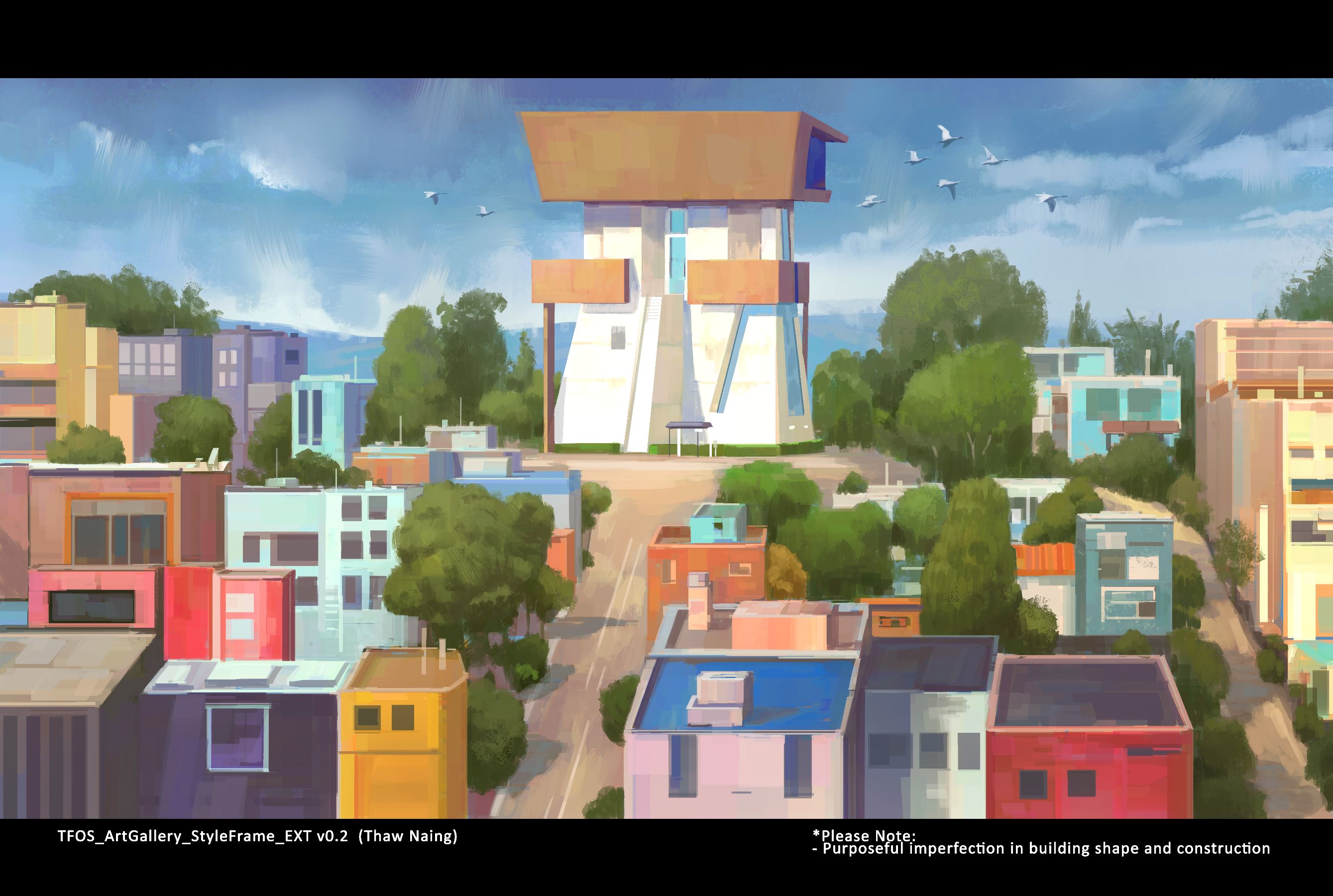
Art Gallery and city concept art. Artist: Thaw Naing.
As a class, discuss what the artist might be suggesting about this world. Consider how the city and the gallery differ, how they connect and what story possibilities the visual choices hint at.
Then work independently to write a short visual interpretation that explains:
- The atmosphere created in the cityscape and how the artist achieves it.
- The personality or purpose suggested by the design of the gallery building.
- How these spaces might shape events or characters in the story.

Activity 5: Page to screen
Reflect
This final episode ‘Turning Back’ is inspired by the story ‘Our Expedition’ from the book Tales from Outer Suburbia. The story features an older and younger sibling heading out on an adventure that begins with a bus ride. In this story, like Klara and Pim, the siblings find themselves at what feels like the edge of the world, where clouds drift past and the ground falls away.
The story is open and elusive, but a quiet through-line suggests the siblings are learning how to move through the world side by side. This idea is a central theme in the television series. In the final episode, the moment where Pim tears his map in half is just a few minutes long, but it is full of meaning and communicates a great deal about the journey Klara and Pim have been on as a family.
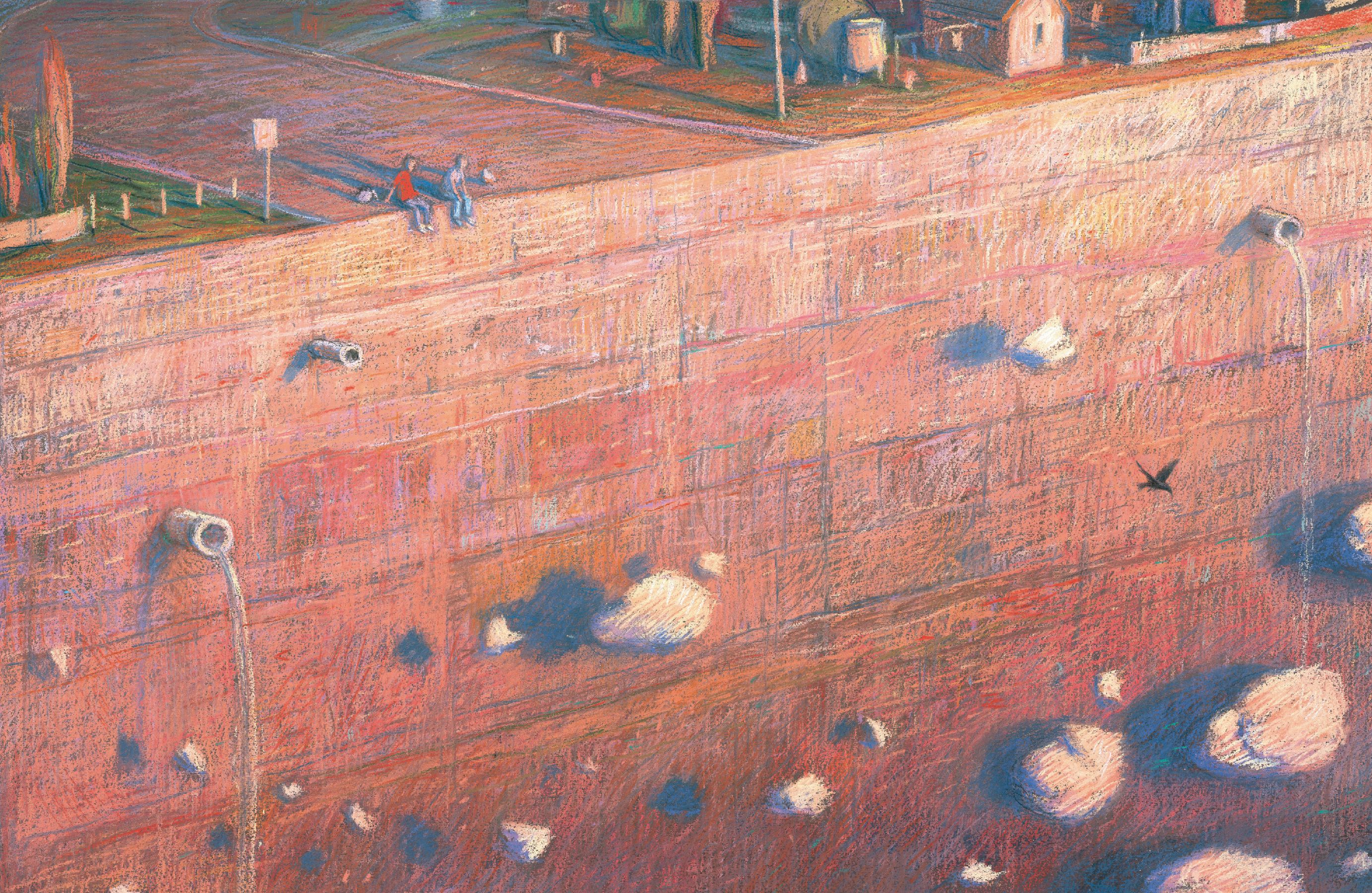
Look closely at the illustration from the book above and think about the similarities and differences in how the siblings are shown in each text.
- What does the picture book image of the siblings at the edge of the world make you think, wonder and feel about these characters?
- How does this compare with the more intimate, emotionally focused edge-of-the-world moment between Klara and Pim in the series?
In the series, the action of Pim tearing the map in half works as a metaphor. A metaphor is something that represents a bigger idea. In this case, it shows us how Pim feels about Klara growing up, family and change. What does Klara’s response tell us about Klara and Pim’s emotional journey over the course of the series and the way their relationship has changed and grown?

Activity 6: Behind the scenes
Explore
I just felt the horse had to be blue. There was something about it that made the world different.
- Shaun Tan
Watch the scene below through Pim’s eyes. Notice how the blue horse dominates the moment, not just through its size but through Shaun Tan’s instinctive use of colour and presence. Pay attention to how these visual choices create a strong sense of power and authority, shaping the way you experience the judging of the artworks.
In pairs, discuss:
- the emotional impact of the blue horse in this scene. How does it make you feel?
- the horse’s behaviour and the responses of other characters.
- the effect of the unnatural blue colour on expectations of what a horse typically represents.
- how a realistic horse colour might alter the sense of authority and judgement in the scene.
- what representing the judge as a non-human figure allows the scene to communicate that a human character could not.
- how the horse’s colour, stillness, and scale combine to convey control, judgement or power without the use of dialogue.
Create
Director's notes are short instructions that help artists and animators understand how a character should look, move and feel on screen.
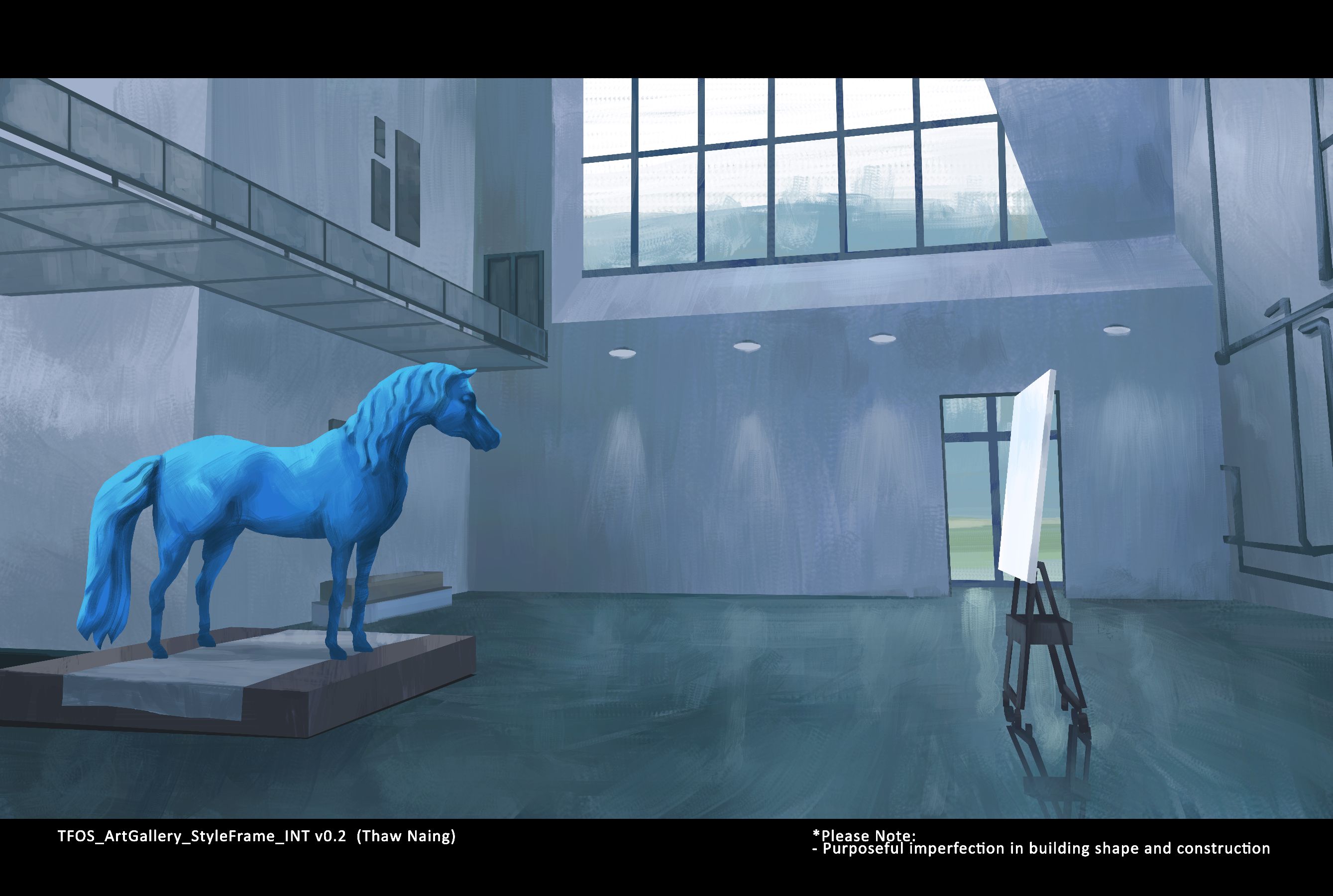
With your partner, look closely at the concept artwork of the blue horse and think about Shaun Tan's idea that the horse had to be blue. Imagine you are the director, Noel Cleary, and write short director's notes for the art and animation teams to communicate how this character should look and behave. Include the following details in your notes:
| Colour | What kind of blue should the horse be (dark, bright, dull, glowing)? How should the blue stand out from the rest of the gallery? |
| Position and View | Where should the horse be placed in the frame? Should the viewer feel small or powerful when looking at it? |
| Movement |
Should the horse move slowly, stay very still, or move in an unexpected way? How does this movement show control or authority?
|
| Sound | Will the horse make a sound? What kind of sound? What sound effects or music would add power to the scene? |
Now imagine receiving these notes as Art Director Thomas Campi, and ask your team to create simple visual designs showing four or five different versions of the horse judge. Combine the class designs into a shared slideshow and discuss:
- How successfully does each version convey power and strangeness?
- What new qualities or meanings does each version suggest?
- How might these alternatives change the feeling of the episode?
Create
Throughout the series and in this final episode, you’ve explored how unexpected animals (like the blue horse or the water buffalo) shape a scene and invite questions. Using these moments as inspiration, create and storyboard a short scene built around an incongruous animal or creature. Your scene should feel slightly strange or out of place – the creature should raise questions rather than explain itself. You might like to use the following prompts for inspiration:
- Build on your dugong-inspired story from episode 9
- Riff on the blue horse
- Be inspired by the final appearance of the water buffalo
- Or invent a completely new creature
As you plan your concept, consider the following:
- What is the creature? What makes it unusual, surprising, or out of place?
- How does it move or behave – slow, awkward, graceful, impossible, unsettling?
- What effect does it have on the world? How do people, places, or events change because it appears?
- What does it make the audience feel or wonder?
Jot your ideas down as rough sketches with notes. Using a script format, write a short scene for Tales from Outer Suburbia where Pim, or Klara or both siblings come across your creature:
- Use action lines to describe movement, gestures, or mysterious behaviour.
- Include dialogue if characters speak.
- Focus on what makes the creature unusual or surprising and how it affects the world around it.
Once you have written your scene, create a simple storyboard (6-8 panels). For each panel, think about:
- Shot type (wide, medium, close-up, extreme close-up)
- What the viewer notices first
- How scale, colour and position guide attention
- How the creature’s presence shapes the mood
Reflect
Across the previous activities, you have explored Episode 10 from multiple perspectives: emotional response, character development, themes of family and connection, symbolism, visual storytelling and creative choices.
This final activity asks you to step back and consider Tales from Outer Suburbia as a complete narrative. Rather than introducing new ideas, you will draw together and organise your thinking from across the episodes to reflect on how the series works as a whole.
This task can be completed: individually, as a written reflection, as a discussion scaffold followed by writing, or as a formal assessment piece. Focus your reflection on:
Narrative structure and resolution: How does the story build across the episodes, and how are key events resolved in the final episode?
Character: How do the main characters grow or change over the course of the series?
Ideas and themes: What big ideas or messages appear across the series?
Symbols and patterns: How do recurring images, symbols and ideas carry meaning across episodes?
Creative choices: How is imagery used to create meaning? How is the narrative resolved?
Use the worksheet below to support your whole series reflection and plan your answers. When writing your reflection, use examples from across the series, with particular reference to Episode 10: ‘Turning Back’.
