Episode description: Klara and Pim move to a new house in the suburbs with their mother Lucy. Everything feels strange and unfamiliar, and adjusting to their new life will take time. Amid all this change, the children’s grandparents offer a comforting sense of familiarity.
Water Buffalo
Watch: Episode 1: ‘Water Buffalo’ on ABC iView or download to own from the ACTF Shop.
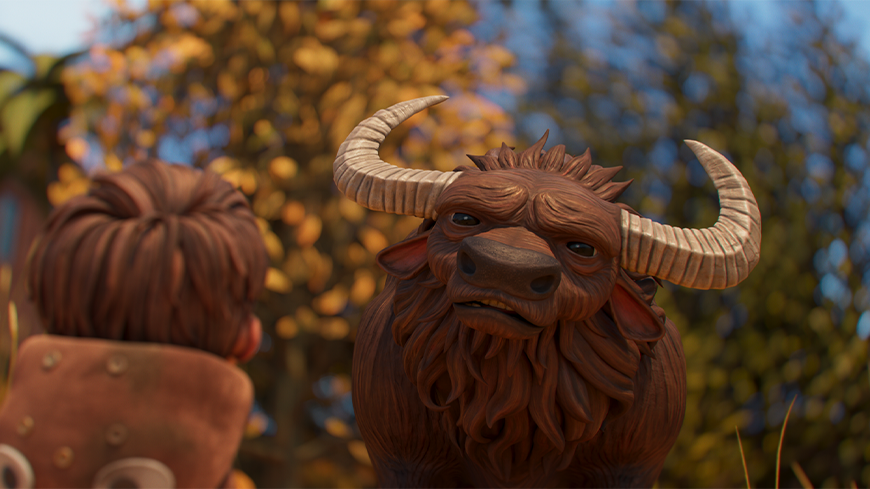
Learning intention: Understand how texts use character, setting and multimodal techniques to transform the ordinary into the imaginative.

Activity 1: Tuning in
Reflect
After watching the episode, take a moment to think, pause and reflect by yourself, then share your thoughts with a partner. Discuss the following questions:
- Which images or moments stood out for you?
- What felt familiar? What felt unusual?
- What questions are you left with?
- What would you like to know more about?
Explore
In pairs, list everything you noticed and can remember from the episode. For example, the characters, creatures or places. Then, as a class, complete a chart on the board with one column headed Ordinary and the other headed Unusual. Go through your lists and decide together where each item fits. Discuss your choices, you may have different ideas and perspectives. Could something seem ordinary to one person but unusual to another?

Activity 2: What is outer suburbia?
Tales from Outer Suburbia is inspired by Shaun Tan’s book of stories of the same name. Many cities have a busy inner city in the middle, with suburbs spreading out around it. Outer suburbia is at the edges of the city, the places furthest from the centre. These areas can feel quiet, ordinary, and easy to overlook.
Shaun Tan grew up in Hillarys, a suburb on the edge of Perth. Living there helped shape his imagination as well as the landscapes in the book and television series. He is interested in how familiar places can feel so normal that we stop noticing them, until we slow down and really look.
Of the below concept artwork of the vacant lot where the water buffalo lives, Shaun Tan says,
These kinds of landscapes are based on memories of growing up in suburban Perth, with various drainage pits and lots of shortcuts through the bush between home and school, where people had dumped their old TV sets, bed frames and washing machines. There was (and is) always a strong feeling of an unconscious world right next to the conscious one, a place of easy forgetting, not unlike similar ‘dark’ spaces in old fairy tales all over the world.
- Shaun Tan, Source: @shauncytan
Have you ever noticed places in your suburb, town, or area that seem forgotten or a little strange, like abandoned shops, empty car parks, broken park benches, or a dark space between buildings? These overlooked places hold endless imaginative possibilities.
Shaun Tan notices small, everyday details and imagines new stories for them. He has wondered who might live in an overgrown empty block, imagined a walnut shell as a tiny suitcase and thought about how a television aerial might be decorated for a special celebration.
Reflect
Look closely at Shaun Tan’s concept artwork and share your impressions with the class.
- What do you notice first?
- How does the place feel?
- What details make it seem ordinary or unusual?
- If you were writing a short label for this artwork, how would you describe it?
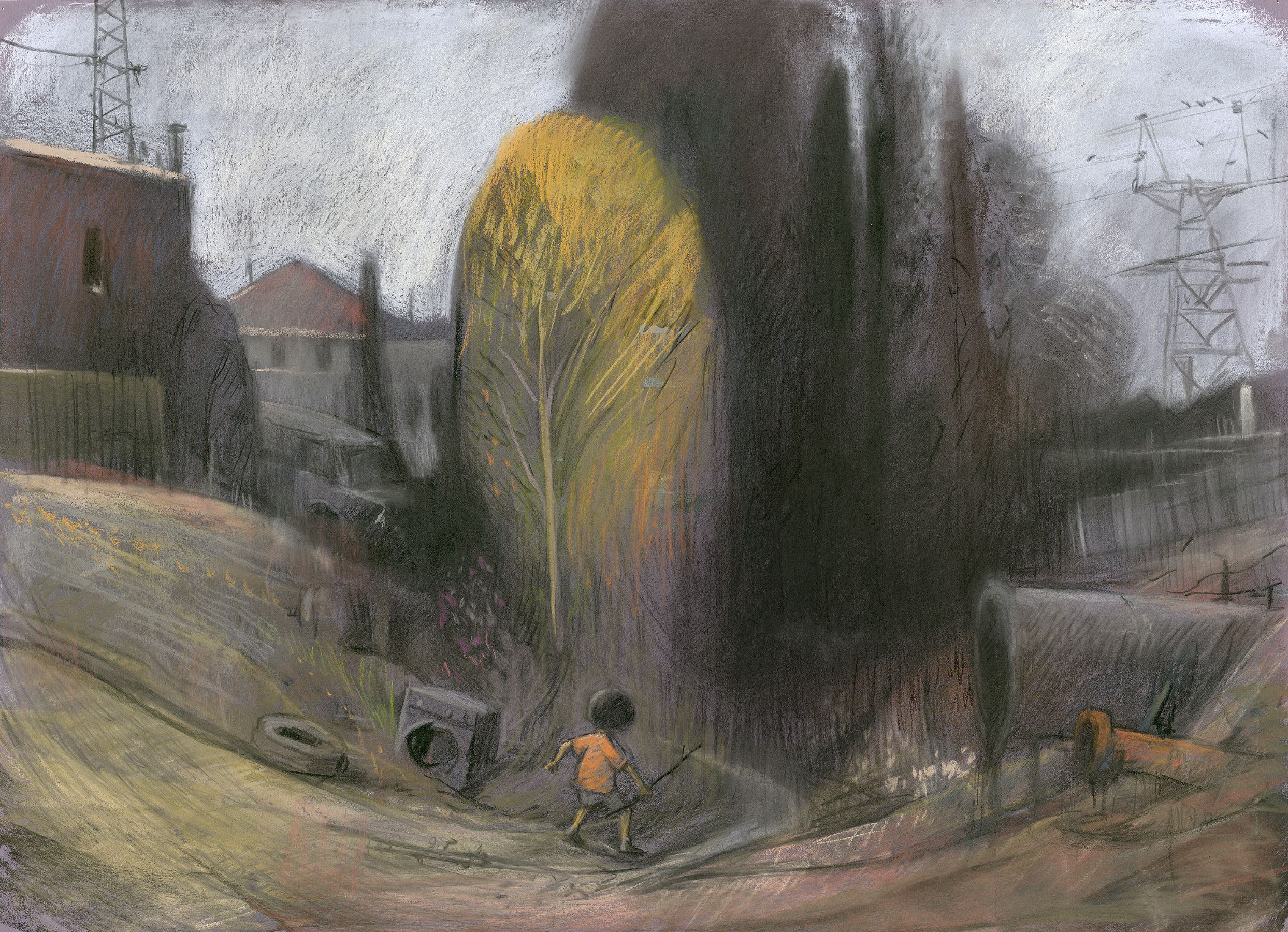
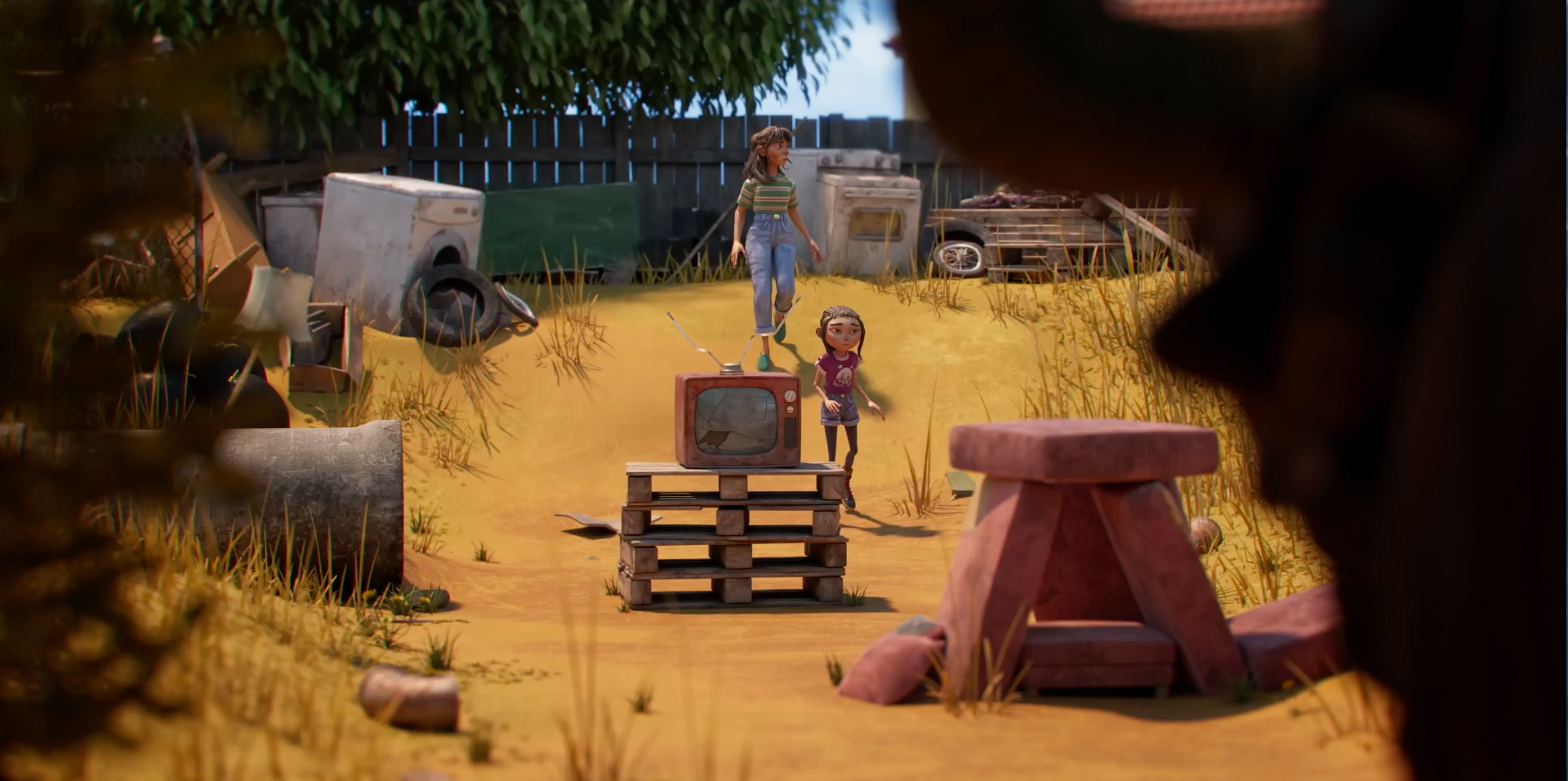
Now look at the still below from the first episode. What ideas or details from the concept artwork can you see in the final setting? How has Shaun Tan’s early artwork influenced the look and mood of the scene?
Explore
As a class, create an ideas board. Have a moment of reflection on the two questions below and write your answers on a sticky note.
- What do you see every day without thinking about it?
- What ordinary thing or place could seem a bit strange if you look closely?
Share your ideas with the class and add your sticky note to a class board. The board can be used for inspiration. You could even go for a walk as a class and take notes of the little details you might usually miss in your suburb, town, or area. You can keep adding to your ideas board, as you become better at noticing the everyday things around you.
Create
Find an overlooked place in your suburb, town, or area (or around your school) and spend some time observing it. What does it look like? How does it feel? Who might have passed through it before? Create a concept drawing of your forgotten place like Shaun Tan.
Now write a short story inspired by this place. Think about the secrets it might hold, whether something magical or unexpected could happen there and who might discover it and what they would find.
Explore & Create
Write a short paragraph comparing Shaun Tan’s suburban experiences to your own experience of where you live, focusing on how familiarity shapes imagination.
Write a short reflection comparing your perceptions with those of someone from a different place or cultural background, explaining why something might feel ordinary to one person but unusual to another.
Identify how visual and audio cues in the episode create a sense of strangeness, linking it to Shaun Tan’s ideas about noticing the overlooked.
Research a real outer suburb (local or elsewhere in Australia) and imagine a story that could happen there. Create your own concept artwork or storyboard for this story.

Activity 3: Characters and their new home
Reflect
Watch the short scene where Klara is exploring her new house and, in pairs, discuss what you learn about each character in the scene.
Discuss the following questions with your partner:
- What does each character’s costume and hairstyle communicate about them?
- What does each character’s dialogue (what they say) and tone of voice (how they say it) communicate about what they are like and how they are feeling?
- How do the characters’ facial expressions, gestures and movements add to your understanding?
Use the worksheet below to organise your thoughts.
Explore
The opening titles introduce the world of Tales from Outer Suburbia, how it looks, how it feels and what kind of story it is. As a class, watch and listen to the opening titles.
Together, discuss the following questions:
- What feels ordinary about this world?
- What feels unexpected or unusual?
- What do you notice about colour and light?
- How do sound and music affect the mood?
- This is the viewer’s first impression of the world. How would it feel different without the water buffalo at the beginning?
Create
As a class, create a simple storyboard of the opening titles. Draw one image for each shot. How do these shots work together to introduce the world of the show?
Oh look, you uncovered a fun fact!
If you listen closely to the book Sleeping Girl’s father is reading, you’ll hear a soft retelling of Sleeping Beauty, also known as Briar Rose. The scene hides a familiar classic tale, waiting for sharp‑eared viewers to notice.

Activity 4: Moments of change
Reflect
In this episode, Klara and Pim have moved with their mum, Lucy, to a new suburb far from their old home. They are missing their friends and their dad and trying to figure out what life looks like now. As they explore unfamiliar streets and hidden places, they slowly start meeting new characters. Along the way, they begin to rethink what family means, and how it can change and grow in new ways.
As a class, discuss the following:
- What do you learn in this episode about the changes facing Klara, Pim and Lucy?
- What are some of the different ways these characters respond to these changes? What do their responses reveal about them?
- The strangeness that Klara and Pim are feeling comes to life in Klara’s encounters with Cat and Esme, and Pim’s meeting with the Water Buffalo. Share your thoughts about each of these encounters.
Create
Write an individual response to the theme of change introduced in this episode. Use the worksheet below to write down your ideas.

Activity 5: Page to screen
Reflect
In his stories, Shaun Tan uses imagination to make the everyday world unusual, and this idea is at the heart of the series. Shaun Tan says he likes to think of the people who read his stories as co-creators, who find their own meaning.
I find that what really makes stories work are those gaps, where it’s actually very respectful to the audience and saying, you’re an intelligent creative dreamer. You add in your own interpretation here and ask your own questions.
- Shaun Tan, Source: The Curb
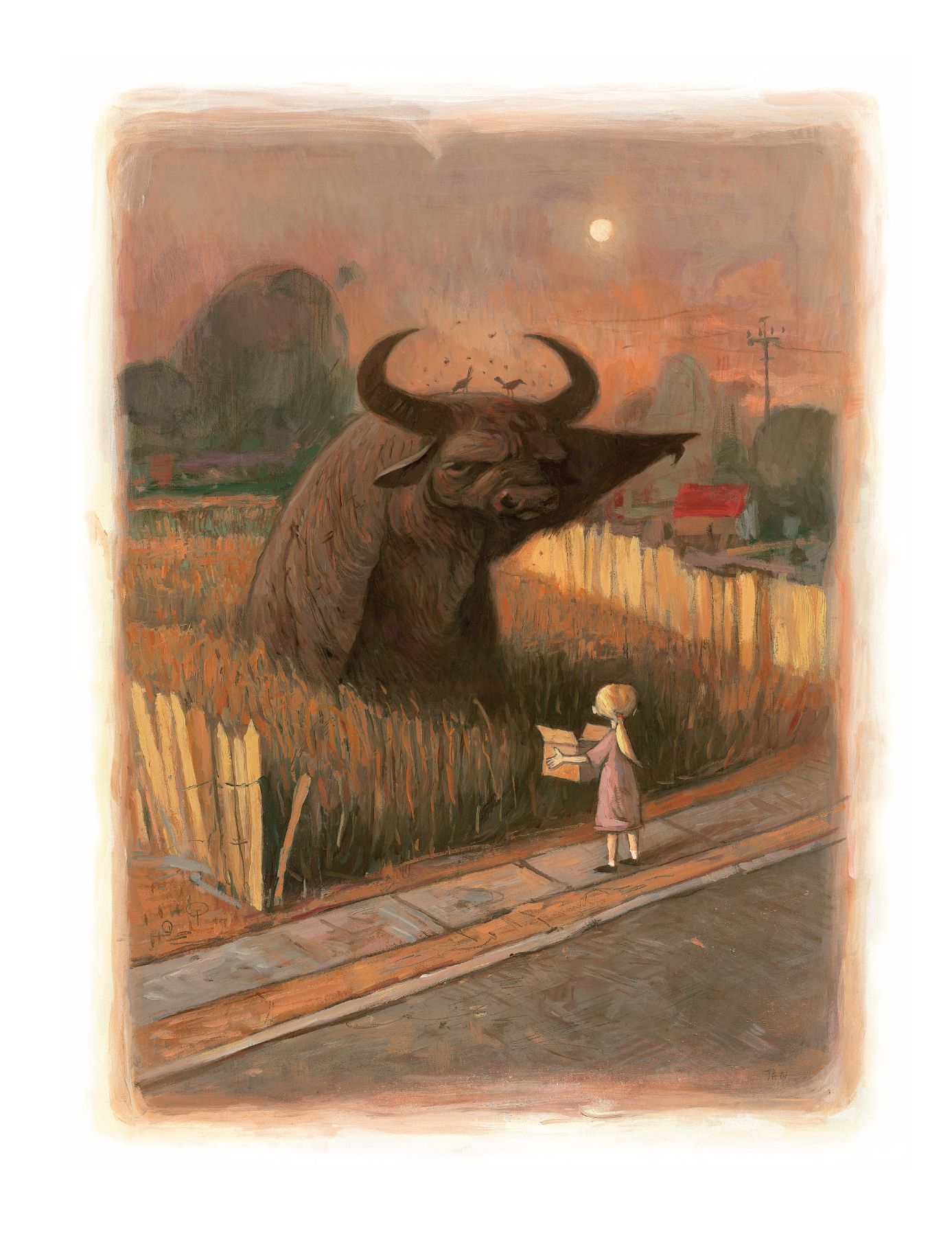
Read ‘The Water Buffalo’, the first story in the book Tales from Outer Suburbia, and work with a partner to answer the following questions:
- How did the story make you feel?
- Choose a few words to describe the feeling (curious, surprised, amused, unsettled, nostalgic…).
- How do the pictures and words work together?
- What things in the story feel ordinary?
- What things feel strange or unexpected?
- What surprised or puzzled you most?
Share your ideas with the class and discuss the following two questions with your partner:
- What parts of the story appear in the episode?
- What has been expanded, changed or added?
Explore
This can be a whole-class, partner or individual activity: Shaun Tan says his stories invite readers to be co-creators. Compare the book and the episode:
- How does each version leave space for the audience to imagine or interpret?
- How do sound, movement and performance change the experience?
- Which version feels more mysterious? Why?
Draw two columns. Label the first column Story, and the second column Episode. Note similarities, differences and what each version adds or leaves unsaid.

Activity 6: Behind the scenes
Reflect
While Shaun Tan’s stories and his unique way of seeing the world are a special ingredient in this series, an animated television series is a hugely collaborative process.
Watch the video below to see ideas shared during the character design and development process. You’ll see Klara, Grandma and the Sleeping Girl from this episode and also get a sneak peek at Mrs Katayama whom you’ll meet in Episode 2: ‘Broken Toys’.
Share two or three design features that stood out to you and add to your understanding of the characters you met in this episode.
Explore
Flip through the digital book below to explore the character design illustrations by Art Director, Thomas Campi. You'll see illustrations for some characters you have met and others you have not.
In small groups, discuss the following questions:
- What small details in the drawings help you understand each character?
- How do colour, shape and texture give you clues about the world of the story?
- What do the characters’ posture, clothing and facial expressions tell you about their feelings?
- How do the handwritten notes change or add to your understanding of the character or scene?
- Which drawings stand out to you and why?
- How are these designs similar to or different from characters you’ve seen in other shows?
