Episode description: It’s Pim’s birthday, but Lucy is called in to work and Klara can think of nothing other than the painting competition. Left to his own devices, Pim encounters neighbourhood bullies, chats with the water buffalo, rides Mrs Katayama’s bus, and even helps rescue a dugong.
The Dugong
Watch: Episode 9: ‘The Dugong’ on ABC iView or download to own from the ACTF Shop.
Learning intention: Understand how feelings, relationships and ideas can be communicated through characters, events and visual storytelling.

Activity 1: Narrative connections
Reflect
Before watching ‘The Dugong’, think about what has happened in previous episodes and what you have learned about character and story. As a class, discuss:
- the different ways characters’ feelings and emotions have been shown or expressed in previous episodes.
- moments where feelings were shown without words. For example, through surprising images, actions or events.
- a moment where emotions were shown in a creative or symbolic way. For example, through visuals, movement, colour or sound, not just words.
As you watch this episode, look out for how characters’ feelings and emotions are shown symbolically through sound, images and events. A symbol is something that stands for or shows an idea or feeling.
Reflect
As the series heads towards its conclusion, the mood changes. Viewers see characters building on traits and patterns from earlier episodes, the mystery of the two cat girls edges toward a climax, and Klara, Pim and Lucy continue shaping their new family identity. This is the second-last (penultimate) episode, where it feels like the story is starting to knit together, even though some questions are still unanswered.
- What stood out to you?
- What did it make you think and feel?
- What are you still wondering about?
Take a few minutes to think and then write down:
- a moment that felt different from earlier episodes
- a moment where emotions were shown in a creative or symbolic way. For example, through visuals, movement, colour or sound, not just words.
- one question (or more) you are left with at the end of the episode
Share your ideas with the class.

Activity 2: Character story threads
Explore
In small groups, focus on one character and follow their story thread in this episode. Each group should choose a different character and their story thread.
| Klara | Creativity and self-doubt |
| Pim | Growing independence |
| Cat | Memories and feelings she finds hard to show |
| Esme | Fears and difficulty expressing feelings |
| Lucy | Balancing responsibilities with work and family |
In your group discuss the following questions and write down your response:
- What happens to your character in this episode?
- How are your character’s feelings shown in creative or unusual ways?
- What is still unclear or unresolved for this character by the end of the episode?
Present your character's story thread to the class and discuss how they all intersect.
Reflect
In pairs, look at all the main characters together. Make notes as you discuss each of the questions below:
- What emotional challenges do the characters still face?
- Which problems or questions haven’t been solved yet, but seem ready to change?
- How are the characters starting to change, and what might this mean for the final episode?
Share with the rest of the class one key insight for each question.

Activity 3: Emotional landscapes
Explore
Feelings and emotions are revealed and communicated in surprising and creative ways in Tales from Outer Suburbia. While watching the scene above, pay close attention to what you see and hear, including:
- Characters’ actions and reactions
- The setting and any strange or surprising visuals
- Colour and lighting
- Camera shots and movement
- Editing choices, such as cuts between Cat and the Sleeping Girl
- Moments that create a strong feeling or mood
Write down everything you noticed. Do not worry about making it perfect, just capture all of your impressions. Using your notes, complete the worksheet below and analyse the techniques used by the creative team to show the characters’ emotions in this scene.

Activity 4: Page to screen
Reflect
In Shaun Tan’s stories and in the series, characters often meet strange and unexpected creatures. These creatures usually appear without explanation and make us think about feelings, relationships and change.
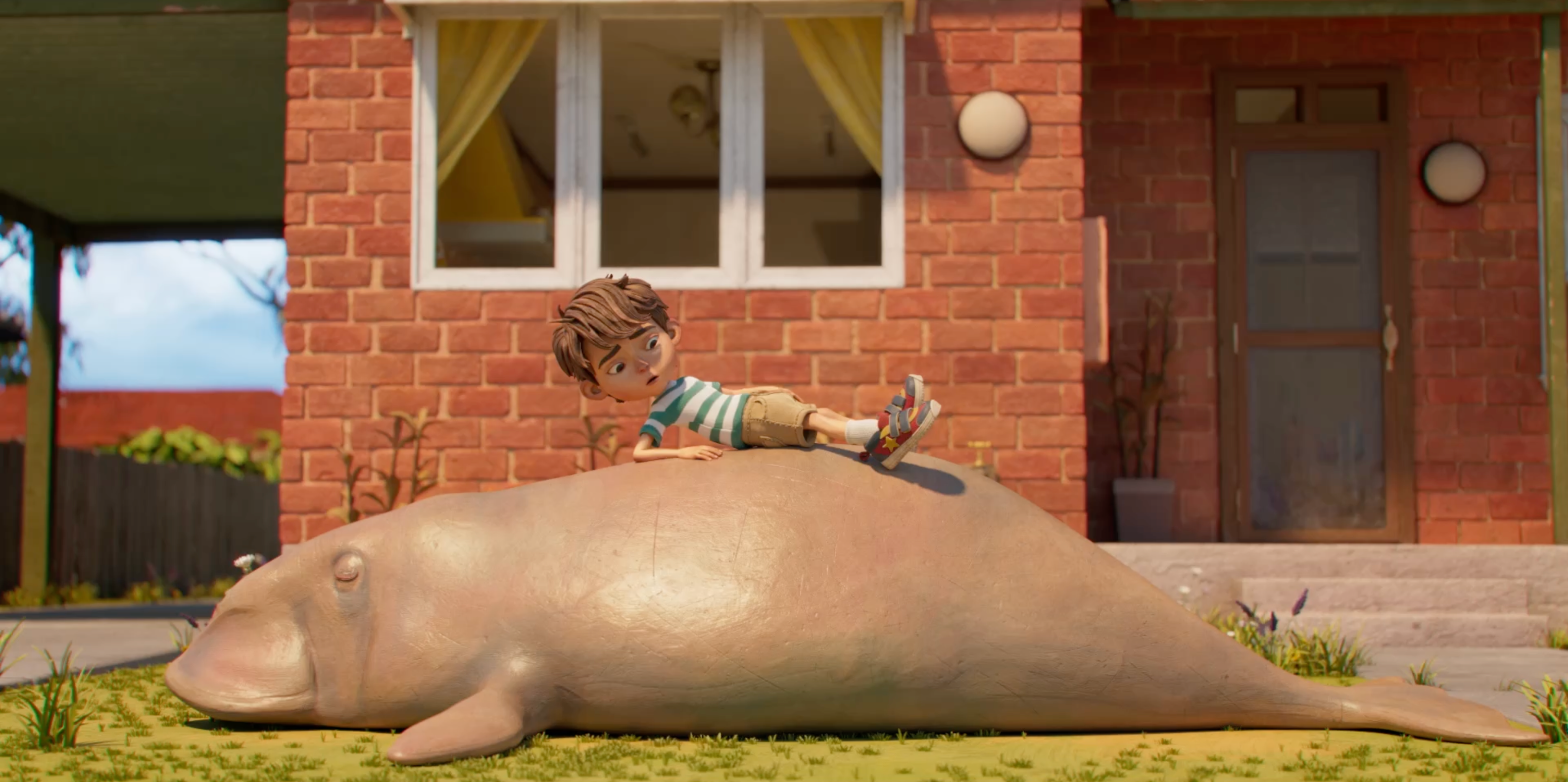
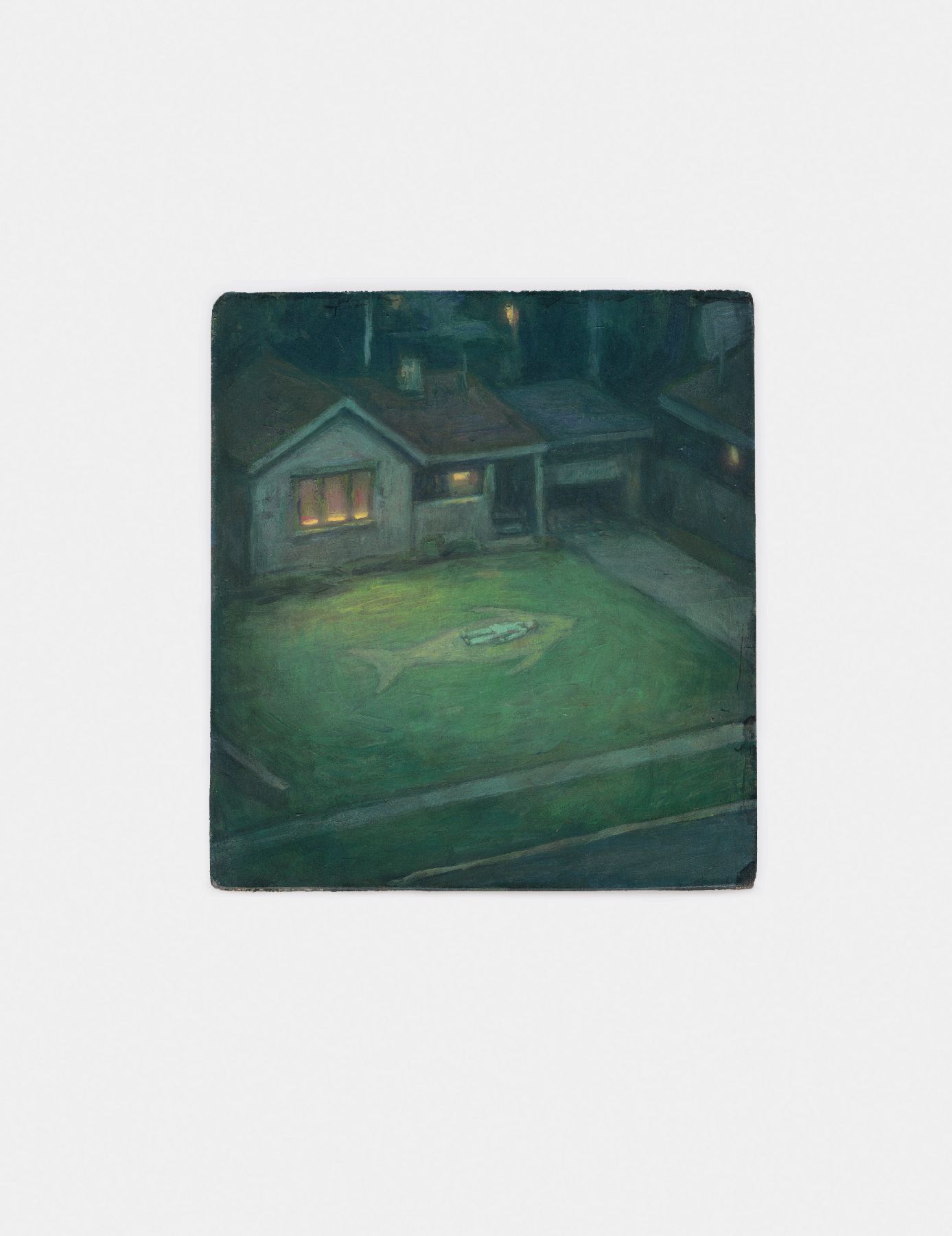
In the story ‘Undertow’ from Shaun Tan’s book a gentle dugong appears on the lawn of a house that is known in the neighbourhood for anger and shouting. No one explains why the dugong is there. Instead, readers are invited to think about how the characters feel and react.
This is how the story ends:
Nobody saw the small boy clutching an encyclopedia of marine zoology leave the front door of that house, creep toward the dugong-shaped patch and lie down in the middle of it, arms by his sides, looking at the clouds and stars, hoping it would be a long time before his parents noticed that he wasn’t in his room and came out angry and yelling. How odd it was, then, when they both eventually appeared without a sound, without suddenness. How strange that all he felt were gentle hands lifting him up and carrying him back to bed.
-Tales from Outer Suburbia, page 38 - 39.
This ending is quiet and mysterious. It leaves the reader wondering what has changed and why.
Explore
When the dugong is introduced in the episode, its arrival is just as mysterious. It also reflects a character’s loneliness and brings about a resolution based on family and connection. Compare the two versions of the dugong story:
- What feelings and emotions are communicated in each version of the story?
- How does the dugong help communicate these feelings? Why do you think Shaun Tan chose a dugong for this story? What does it add?
- What is mysterious or surprising about the dugong in each version?
- How is the episode's depiction/portrayal of the dugong different from the story and what has stayed the same? Make a list of similarities and differences.
- Compare the ending of ‘Undertow’ with the ending of ‘The Dugong’ and describe how the different endings made you feel and what each made you wonder or want to know more about.
Create
Imagine a story about a character who feels sad and alone. As you think, picture an animal that might gently appear and keep them company. What animal would you choose and why does it feel right for this moment? Think about how this animal could fit into the story and how it might change what happens next.
Plan your ideas by jotting down a few notes and sketching the animal you have chosen. When you are ready, write your story. Include how the animal first appears, how it connects with the character and how it helps lift their mood or change their situation. Share your story with others. Bring all the stories together to create a collaborative class book of short stories, just like Shaun Tan's Tales from Outer Suburbia book, with each student contributing one page of writing and an illustration.

Activity 5: Behind the scenes
Explore
Concept art is an important step when planning an animation. A concept is another word for an idea, and artists create concept art to explore and communicate creative ideas, helping an animation achieve the right look and feel.
Look at these concept artworks created by Daniel Long Pham, and notice how they have inspired the look and feel of the boat scene in this episode.
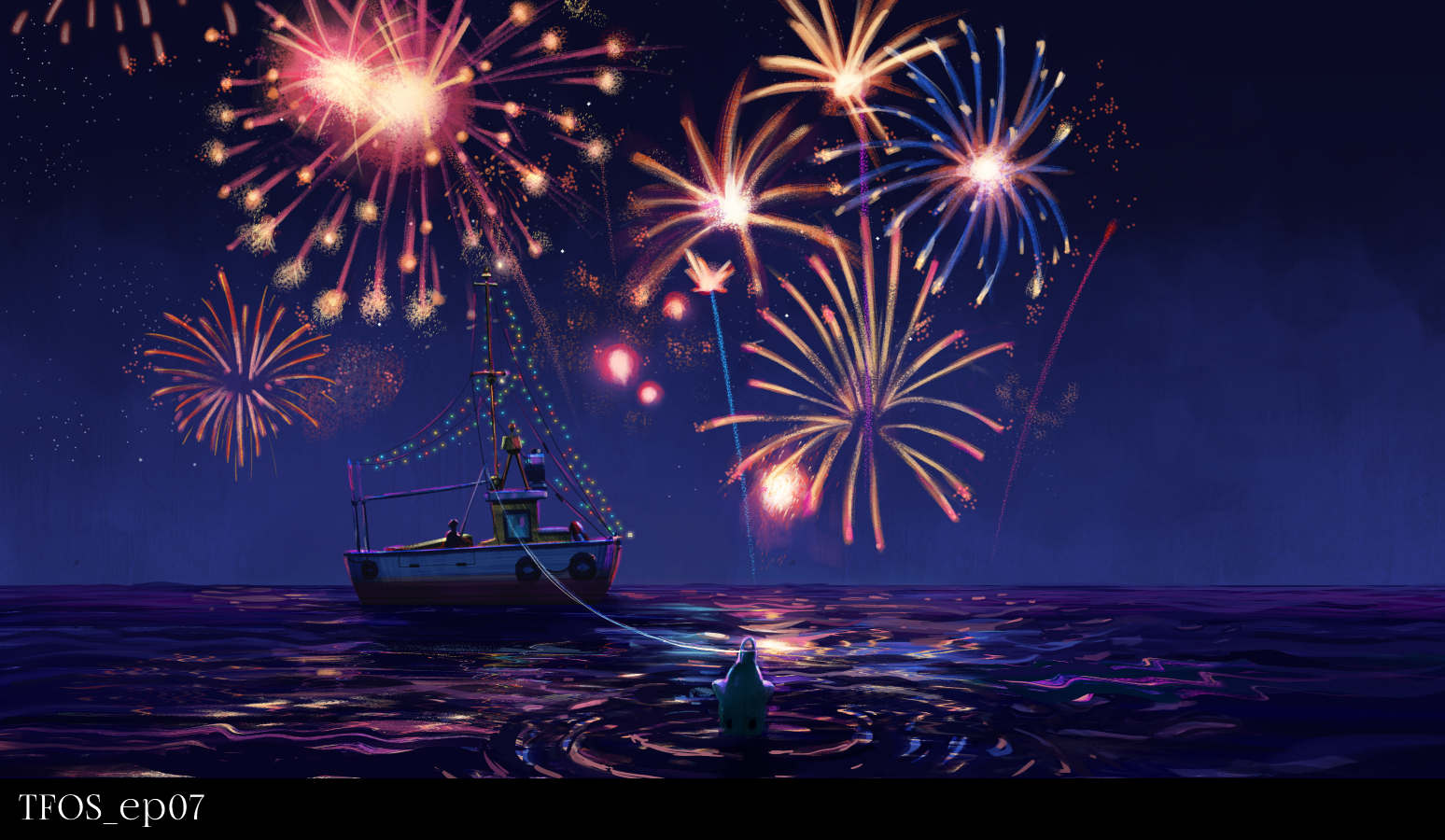
Harbor concept art. Artist: Daniel Long Pham.
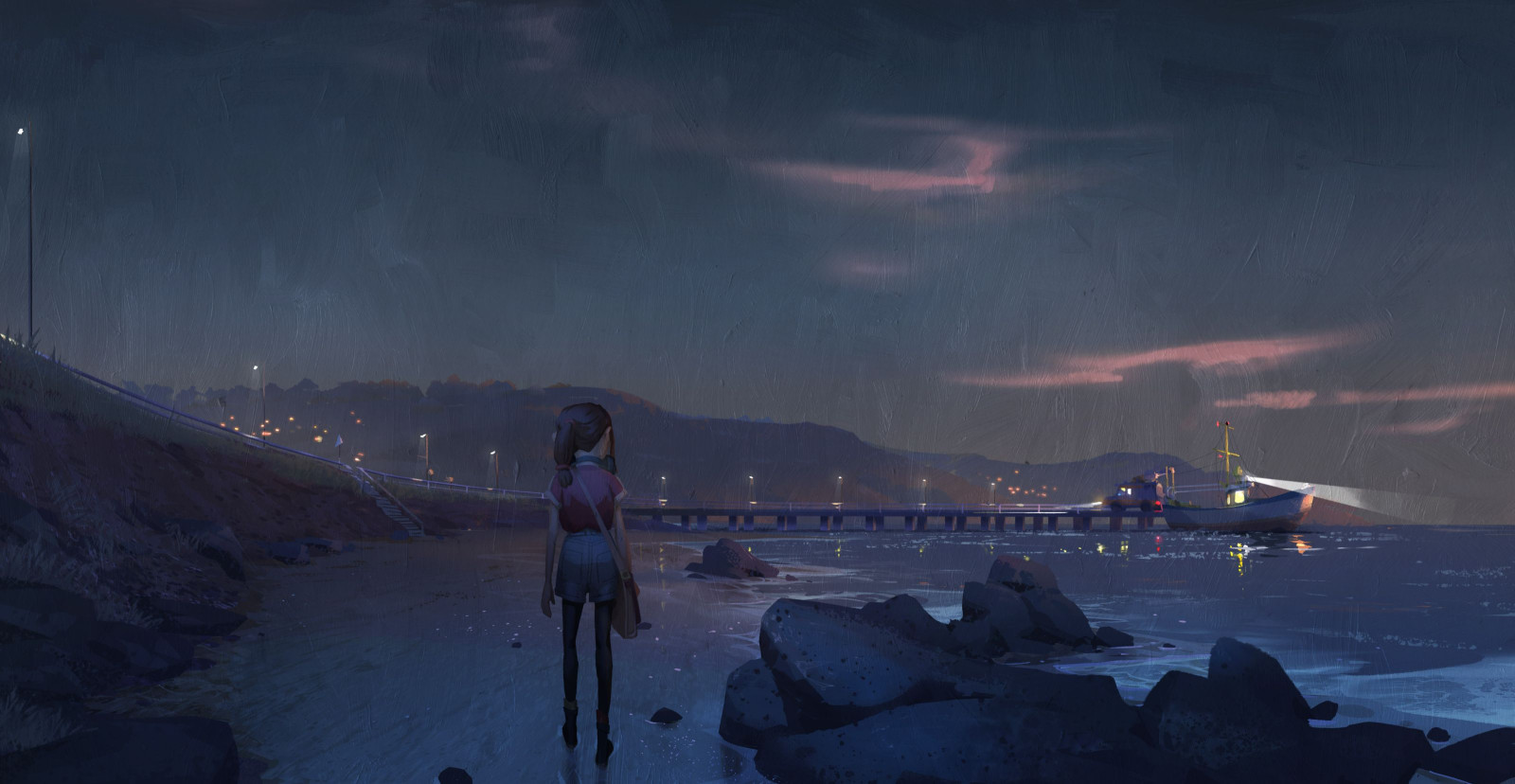
Harbor concept art. Artist: Daniel Long Pham.
1
/ 2
Working in pairs, use the worksheet to analyse these concept artworks and how they inspired the final animation.
After completing your analysis, discuss as a class:
- What you notice and discover in the concept artworks created for the boat sequence in 'The Dugong'.
- How concept art helps bring Shaun Tan’s unique vision to the screen.
- Why concept art is important for developing original and distinctive ideas.
- How concept art can help solve problems during the planning stage, such as deciding what something should look like or whether an idea makes sense.
- How concept art helps the production team share a clear vision by showing what a character, place, or scene should look and feel like.
Create
Design a piece of concept art for an animation inspired by one of the following ideas:
- A strange encounter with a creature
- An ordinary place or event made mysterious
Choose a specific feeling you want your artwork to convey. Let this mood guide your decisions about the setting, objects, creatures or characters you include and what is happening in the scene. Use visual choices such as colour, light, shape, perspective and composition to communicate this feeling clearly.
Write a short paragraph that explains what is happening in the moment shown in your concept artwork, the mood or feeling you want the audience to experience, and how your drawing would help an animator understand how the scene should look and feel.
