Episode description: Klara continues to express her thoughts and dreams through drawing, while Pim and Lucy have fun writing the adventures of Dogboy. Around them, the neighbourhood fills with words – poems, song lyrics, messages of love and words of hope. All of these feelings are drawn together into an ever-expanding poetry ball that eventually disintegrates leaving shreds of faded words forming new meanings.
Distant Rain
Watch: Episode 3: ‘Distant Rain’ on ABC iView or download to own from the ACTF Shop.
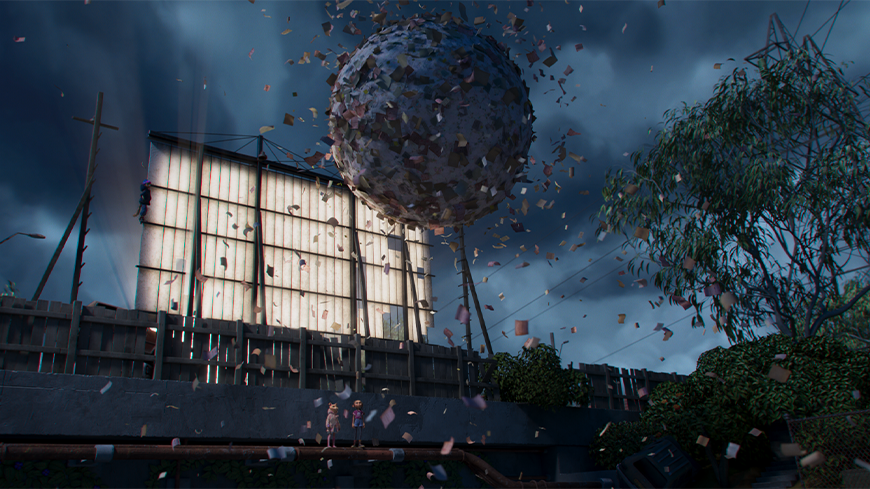
Learning intention: Explore how words and images can evoke feelings and reveal new ways of seeing the world.

Activity 1: Shared meanings
Reflect
The story continues to surprise as the suburb is transformed by a world of words. Share your initial reactions to the episode. What stood out to you? What surprised you?
Dig deeper into what the episode meant to you. Remember, there is more than one way to understand this story. Listen to others and build on different ideas.
- What do you think the ball of words represents?
- How does it affect different characters in the story?
Share discoveries about the world of the story. Brainstorm:
- new things you noticed or learned in this episode
- new ideas about how the world of the story works
- what you are most curious to find out more about
Take a few moments to think on your own and complete some quiet writing. On separate scraps of paper, finish the sentences below. Write only one sentence on each piece of paper.
- This episode made me feel that …
- I was surprised when …
- I wonder if …
Place your scraps of paper in a box and then share a selection of the responses by reading them aloud to the class. Have a discussion about the difference in responses and those that come up again and again.

Activity 2: Mood and atmosphere
Explore
Did you notice how the mood and atmosphere change in this episode as the poetry ball grows bigger and bigger, day turns to night and the storm rolls in? Watch the clip below, and notice how the mysterious and eerie image of the huge poetry ball is given extra drama through: shot choice (such as close ups or overhead shots), sound effects and music, colour, shape and light.
Work with a partner to dig deeper into the drama and atmosphere of this extraordinary scene. Use the worksheet below to help you think more carefully about the visual elements.
Rewatch the clip to focus on the role of sound and music in creating feeling, mood and atmosphere. An effective way to highlight the power of sound is to first play the clip without sound and then play it with sound.

Activity 3: Through their eyes
Reflect
The poetry ball has broken apart in the rain. Around the neighbourhood, people discover soggy scraps of paper - words that somehow feel meant just for them. Nearby, Klara and Esme begin drawing on the rain-washed ground.
After watching the scene above, answer these questions individually to think more deeply about the impact of the conclusion to this episode:
- How does this sequence make you feel? What in the clip creates that feeling?
- What moments or images stand out to you? Why do you think they stay with you?
- How do different characters respond to the scattered words? What do you notice about their reactions?
Create
Write a short backstory and reflection from a character’s point of view, sharing their inner thoughts as the storm delivers a message meant only for them. Choose a character from the scene and imagine what it feels like when the swirling wind and rain suddenly delivers them a message. Think about:
- what they have been carrying from their past that may make these words important or unexpected.
- how this message might shift the way they see themselves or a choice they need to make.
While you are writing, think about how ordinary words, arriving in an extraordinary way, can spark courage or clarity at exactly the right moment.
Explore
Write a short response to this scene using the following prompts:
- Describe the use of colour in this clip. How does colour affect the way you feel when you watch?
- Pacing is how a story controls time, slowing down to help us notice or speeding up to create excitement. What do you notice about the pacing of this sequence?
- What do you think the song is helping us understand about this moment?
- How different would the sequence be without the song as part of the soundtrack?

Activity 4: Storm of words
Create
In this episode, pages, letters and scraps of paper swirl wildly through the streets during a strange storm. Follow the steps below to create your own storm of words and use the results as inspiration for a short piece of writing.
- Bring in old newspapers, magazines, junk mail or printed pages that can be cut up.
- Cut out words, phrases or short lines that interest you and then add them to a big tub with the rest of your class.
- Stand in a clear space and gently toss the words into the air. If your teacher allows it, you can carefully drop them in front of a fan to make your own dramatic mini‑storm.
- Let the words settle wherever they fall.
- Choose one small section of the floor or table and take a photo of exactly where the words have landed and/or take those words back to your desk.
Use your photo and/or words as inspiration to write a short story. Let the random mix of words guide your ideas. You might use some of the words directly or simply let the strange combinations spark your imagination. As you write, think about:
- What is the very first image or idea that jumps out from your scattered words?
- Do any unusual or funny combinations give you a character, setting or problem?
- Could the randomness represent a moment of chaos or change like in the episode?
- How might your story shift if you follow the words exactly as they appear?
- What happens if you zoom in on just one surprising word and build your whole story around it?
Activity 5: Page to screen
Explore
After watching the episode, read 'Distant Rain' in the Tales from Outer Suburbia book. As a class discuss the story:
- What stood out for you when you read the story?
- How did it make you feel? Which words and images gave you the strongest feeling?
- What did you think about the way Shaun Tan mixes words and images to tell the story?
- How does the collage style (mixture of images and words on scraps of paper) add to this story about random words that leave people “with a strange feeling of weightlessness or the private smile that remains long after the street sweepers have come and gone?”
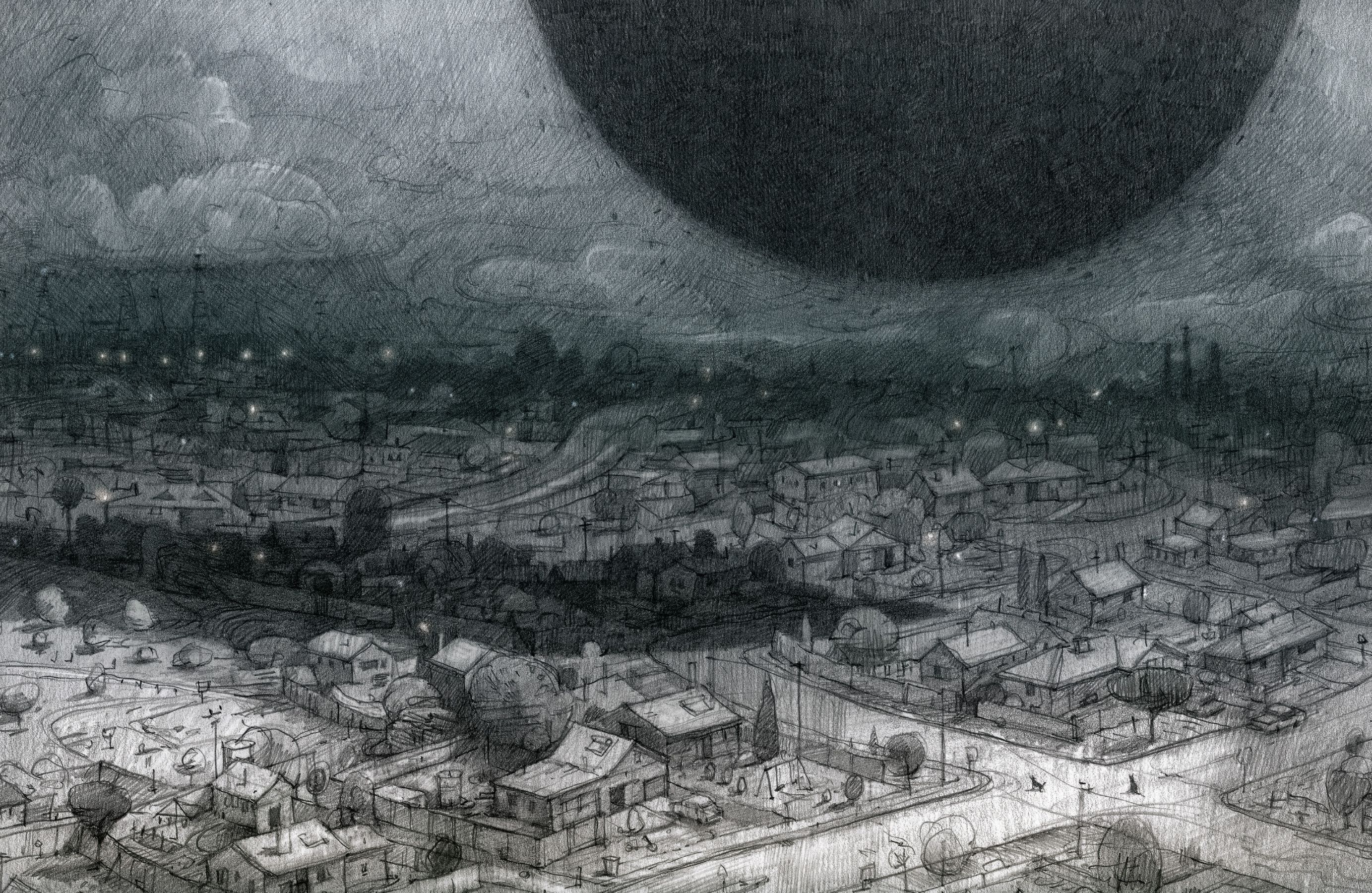
Compare the story and the television episode:
- How have the text, images, and overall look of the story influenced what you see on screen?
- Which ideas, images, or moments from the book are shown in the episode?
- What has been changed, added or left out?
- Which parts of the episode feel the same as the book? Which feel different? Give examples.
Record your class discussion as a mind map that shows:
- what is the same in the story and the episode
- what is different
- how the story influenced the episode
Create
Swap your words used in Activity 4: Storm of words with a partner and / or find additional inspiration from old magazines, newspapers, letters, envelopes, packages or printed text scraps to create your own story collage, using cut-out words, phrases, images, or textures that connect to themes from 'Distant Rain', such as weather, memory, isolation, movement or hope. Arrange and glue these pieces to create a new short story, poem, or visual collage like the one in the book. Add hand-drawn elements or handwritten words to connect your ideas. Add mood or feeling to your collage, just like Shaun Tan has. Think about how colour, size, arrangement, or images can create an emotional connection with your when they look at your work.

Activity 6: Behind the Scenes
I do remember once there was some kind of strange wind and I went down to the park. And tons of newspapers had somehow been caught up in the wind and it was just blowing across the landscape. It was a fairly ordinary thing, but it had its own magic.
- Shaun Tan Source: ABC News
Shaun Tan’s ideas come from finding the magic and the strangeness in ordinary life. When bringing ‘Distant Rain’ to the screen, the creators were inspired by Shaun Tan’s magical view of the world to bring the poetry ball to life using colour, movement and sound.
Explore
Watch this animation showing how the team began planning how the ball would look and move on screen. An animatic is a rough moving version of a storyboard, made from simple drawings timed to sound or dialogue. It helps filmmakers plan how a story will look, move and feel before full animation or filming begins.
- How does the animatic show the connection between the book and the episode?
- How does planning with an animatic help the creators decide how the poetry ball will move and feel?
Watch the animatic alongside the final scene and discuss how many of the decisions from the final stage made it to the screen.
Examine the concept artwork created for the episode below, as well as early sketches for the story by Shaun Tan.
- How have the artists thought about adapting the idea from the story and combining it with the ideas in the episode?
- What choices do you notice about colour, shape, movement, or texture that help the poetry ball feel magical?
- What parts of the original story are reflected in this artwork, and what is new or changed for the screen?
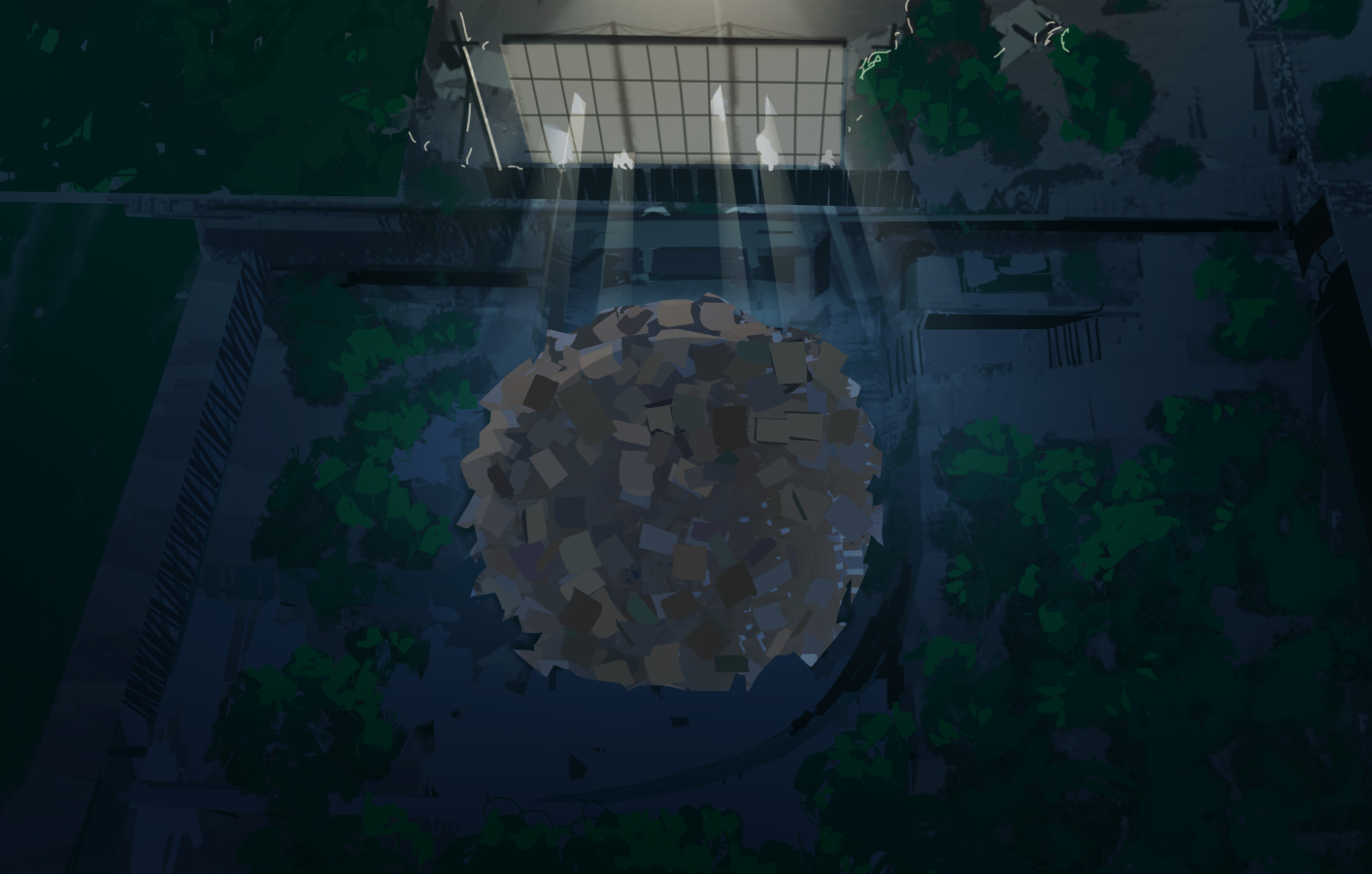
Poetry ball concept art. Artist: Daniel Long Pham.
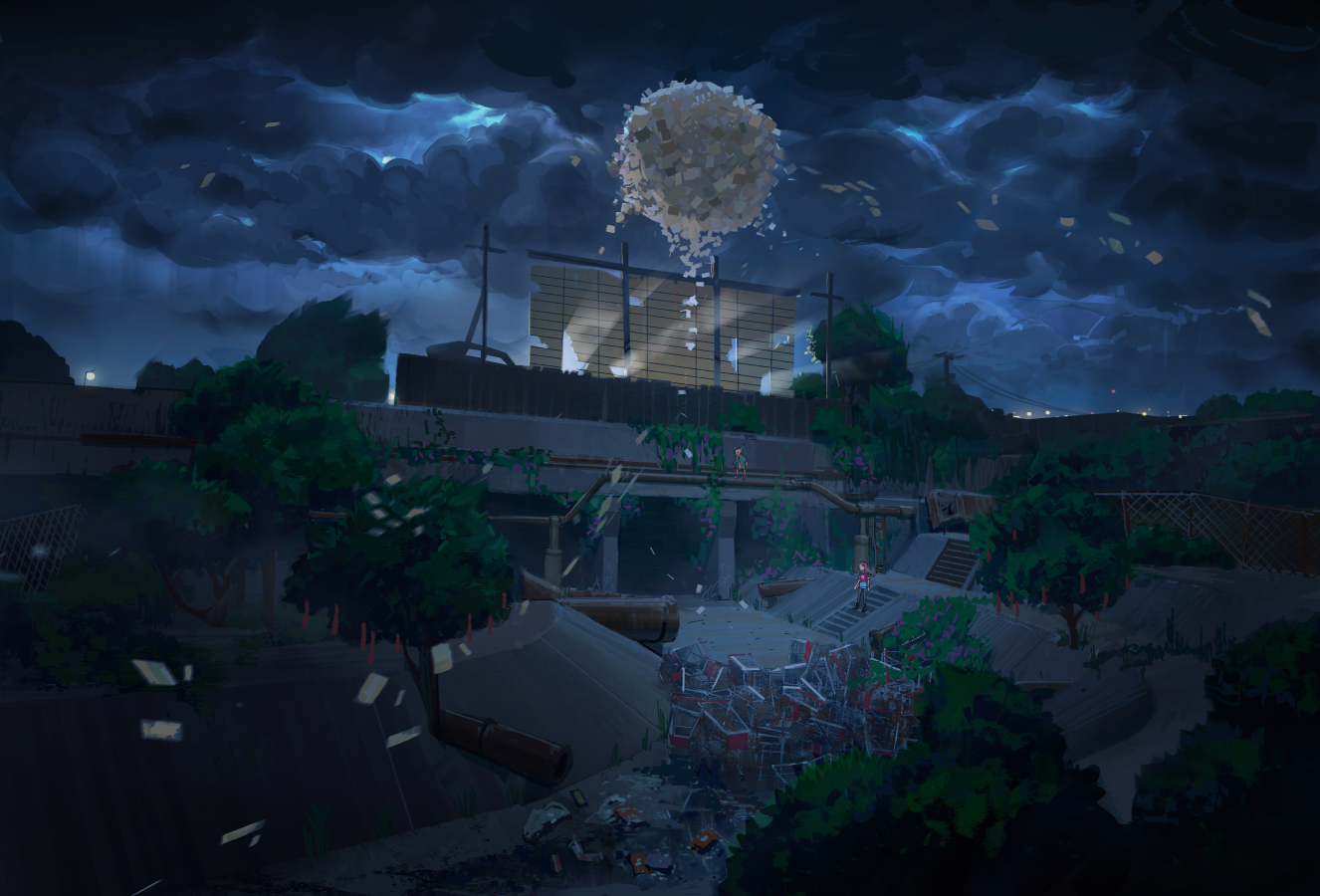
Poetry ball concept art. Artist: Daniel Long Pham.
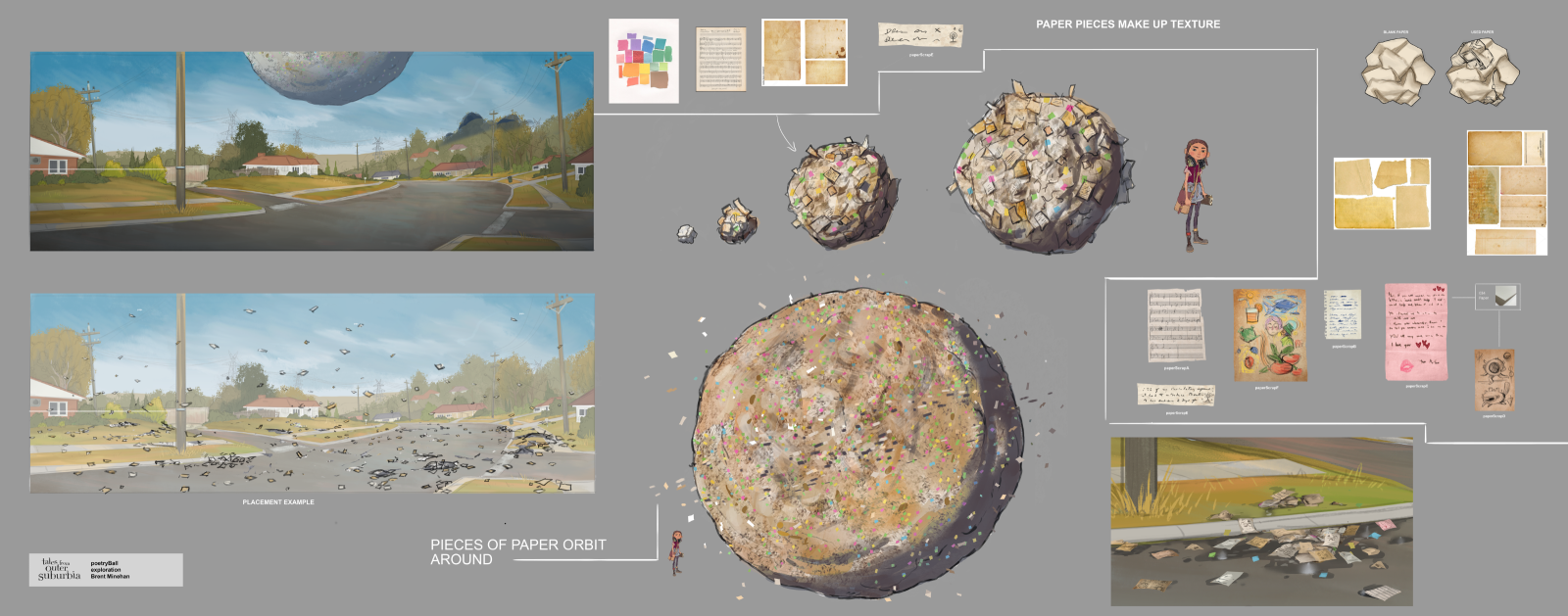
Poetry ball explortion art. Artist: Brent Minehan.
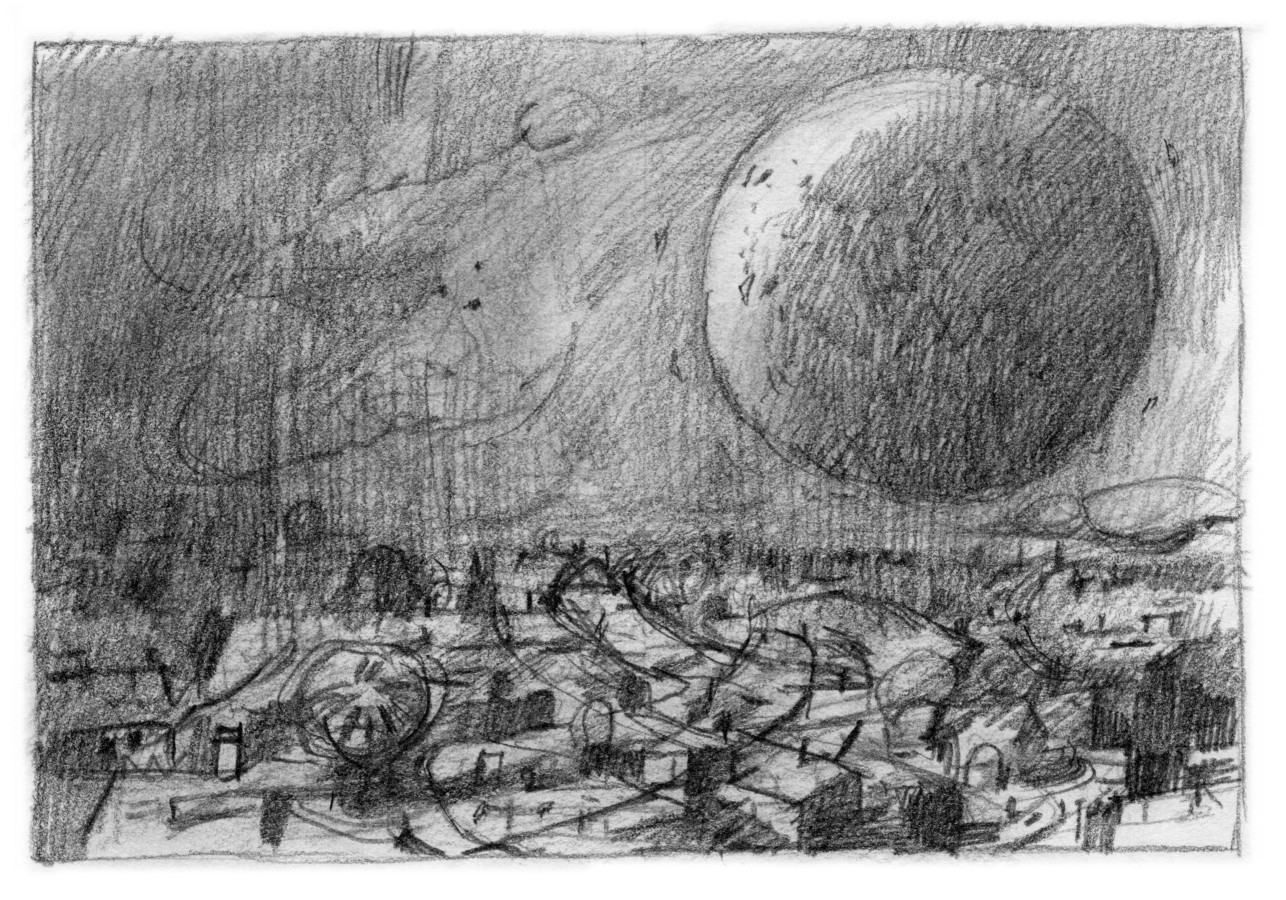
Sketch for Distant Rain book illustration. Artist: Shaun Tan.
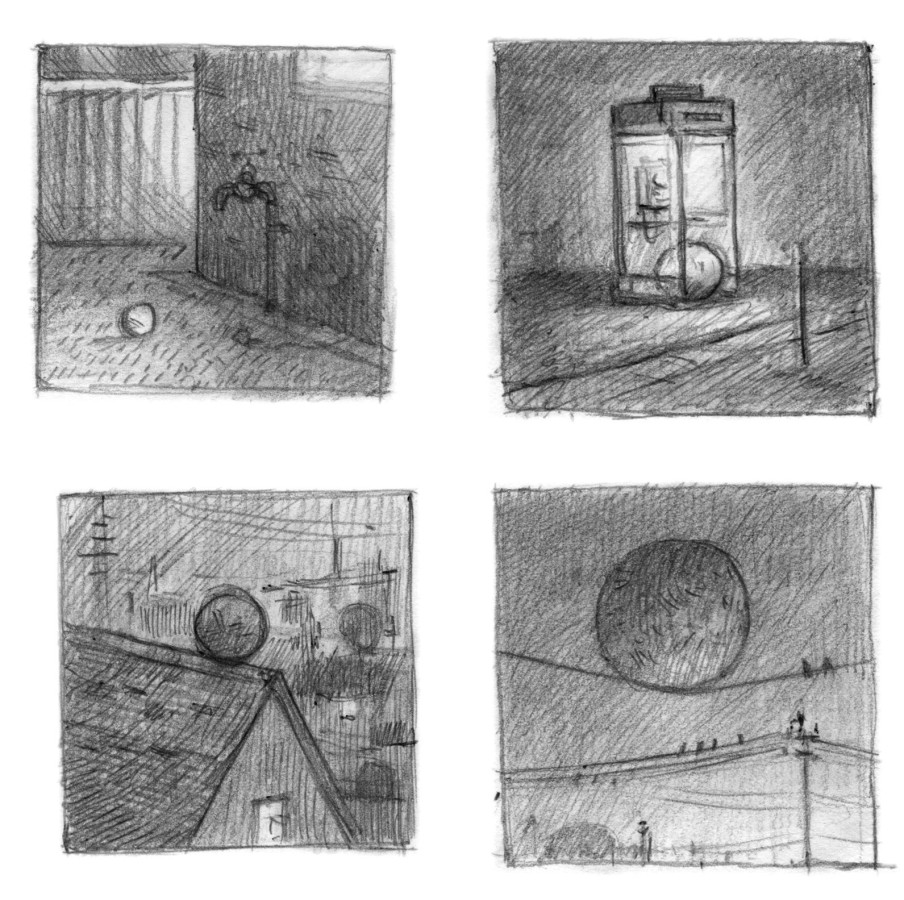
Sketch for Distant Rain book illustration. Artist: Shaun Tan.
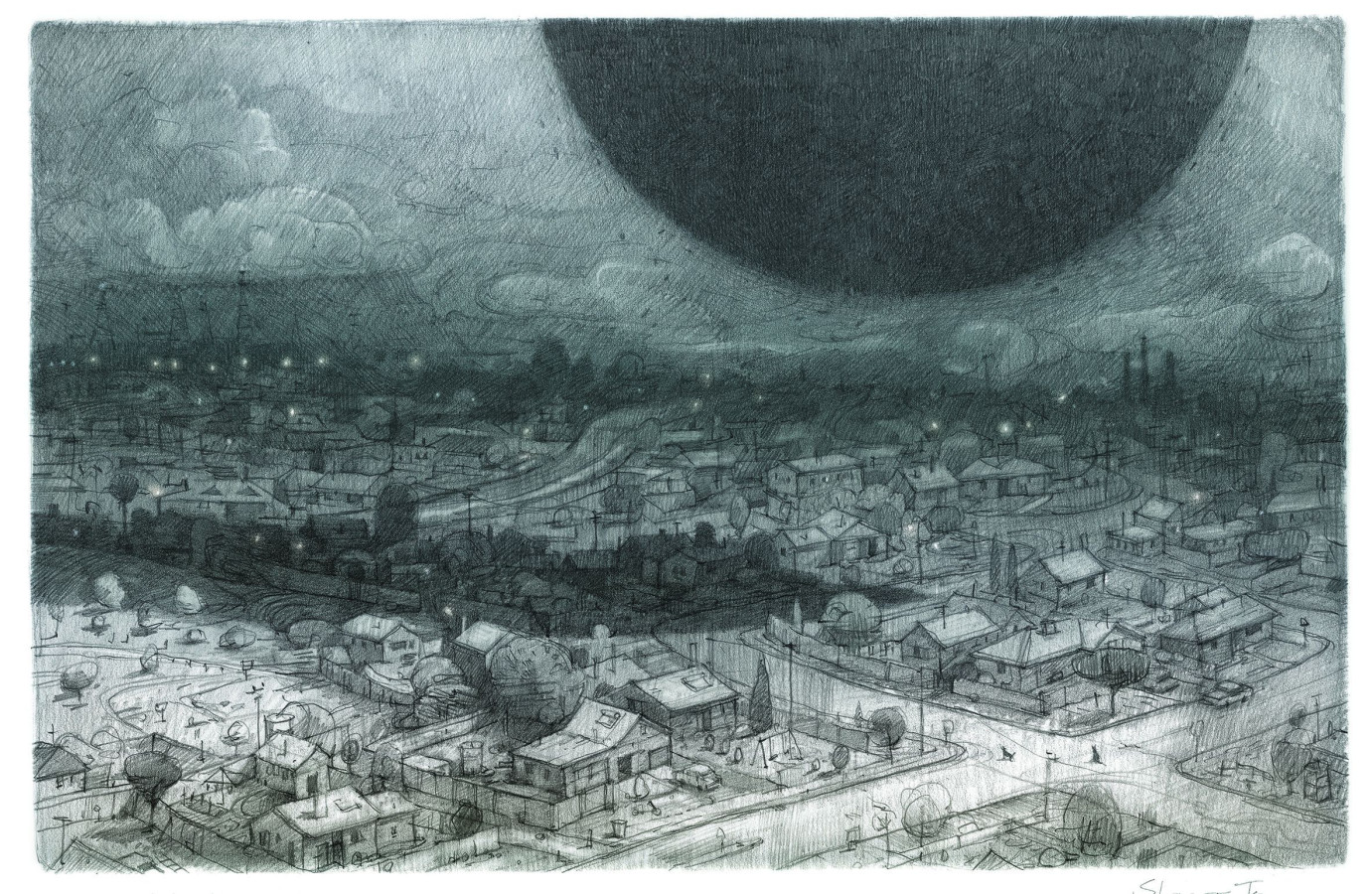
Sketch for Distant Rain book illustration. Artist: Shaun Tan.
1
/ 6
Create
Use what you’ve learned from the animatic and concept artwork to grow one of the stories you created earlier. Imagine a magical object that belongs in your story world. It can be anything unusual or surprising, as long as it feels like it truly belongs there. Plan how it will look and move by sketching or jotting down your ideas. Think carefully about its colour, shape, movement and texture, just as the episode team did during development of the poetry ball.
When you are ready, share your sketches or notes with the class and explain how the object connects to your story. Describe how its movement or appearance helps create a mood or feeling for your audience.
