About this resource
Creator's Statement
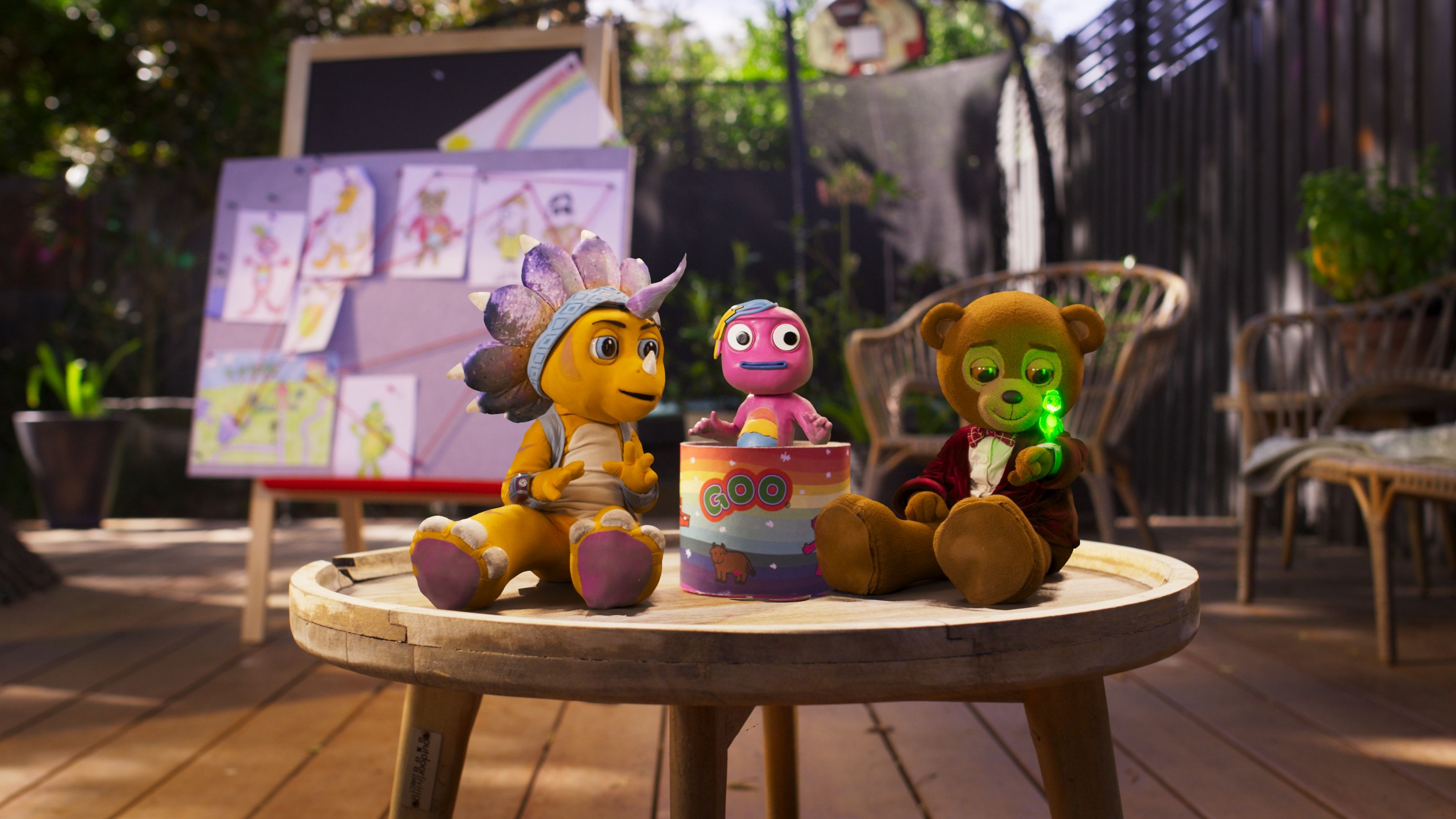
Created by Tim Bain, Knee High Spies draws inspiration from a rich mix of 80s and 90s pop culture to build a playful spy world that students can easily recognise and connect with. Cinematic spy conventions are scaled down and reimagined within a familiar home setting, supporting classroom discussion about perspective, imagination and visual storytelling. In this knee high landscape, a fridge becomes a skyscraper, a clothesline becomes a high wire crossing, and everyday toys are transformed into vehicles for fast paced chases. These techniques invite students to think about how stories can be constructed using ordinary spaces and objects.
“The show is a love letter to old school special effects in a time before CGI and AI,” says Bain. For teachers, this hands on approach provides a strong entry point for learning about practical effects and performance. The spy characters are portrayed by actors wearing animatronic puppetsuits and are integrated into live action footage, placing them alongside a real human family. “With real, cuddly-looking toys racing around the house, our young audience might imagine the spies’ secret missions could be happening right inside their very own homes”.
Welcome
Join a team of clever, courageous toys as they work together to solve problems and save the day! Inspired by the adventures of the Knee High Spies, this resource invites students to step into the role of “spies” as they tackle missions that build teamwork, creativity and resilience.
Across five engaging missions or lessons, students will explore important skills such as communication, kindness, problem-solving and collaboration through structured, flexible and hands-on learning experiences.
Designed for Foundation to Year 2, this resource is aligned with the Australian Curriculum across English, Mathematics, Health and Physical Education, Media Arts and the General Capabilities.
Get ready… mission time starts now!
Lessons
You are invited to choose your own learning adventure. The resource is organised by activities and themes, with each mission linked below:
Mission 1: Maths and puzzles
Students explore, compare and classify familiar shapes through puzzles, developing spatial language, reasoning and problem solving skills.
Mission 2: Teamwork
Students work collaboratively to complete challenges, building communication, cooperation and shared decision making skills.
Mission 3: Fairness and kindness
Students explore fairness and kindness by examining characters’ actions and reflecting on respectful behaviour.
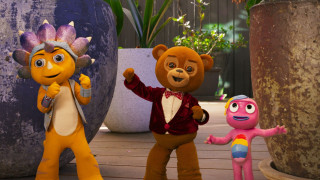
Mission 4: Design a knee high spy
Students design a Knee High Spy character by identifying strengths, weaknesses and roles within a team.
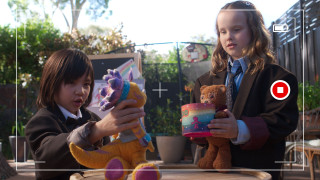
Mission 5: Film a short spy sequence
Students plan and create a short film, applying teamwork, problem solving and creative thinking.

Knee High Spies Activity Booklet
Engage young learners with fun activities from the Knee High Spies booklet, promoting skills like problem-solving and imagination.
Activities
Every section includes a mission based lesson designed to support problem-solving skills. Activities are written so they can be displayed directly on your board or shared via your preferred digital platform. These activities include:
Watch: Either full episodes or short scenes from Knee High Spies which relate to the topic of the lesson, which the class will watch to tune in.
Reflect: This is where students think and talk about what they watched in a whole class discussion setting. They discuss characters’ actions, feelings, and choices, and begin to connect ideas to their own experiences. Teacher questioning guides deeper thinking about concepts like teamwork, kindness and strengths.
Explore: In this phase, students actively practise or investigate the key concept as a whole class or in small groups. They try out skills (for example, non-verbal communication, identifying kindness, planning a story) with teacher support and modelling. This helps build understanding before creating their own work.
Create: Students apply their learning in a hands-on, creative way. They produce something that demonstrates their understanding. This stage emphasises independence, teamwork, and reflection on their learning.
Downloadable worksheets: Dotted throughout the activities are ready-to-print or digital worksheets that support independent and group work for each activity.
Acknowledgments
The ACTF would like to thank resource writer and primary school teacher Ella Paull, whose enthusiasm and creativity shaped each mission.