Mission 3: Fairness and kindness
Learning intention: We are learning to understand and show kindness by thinking about how others feel.
I can:
- identify kind and unkind actions in a story
- explain how characters feel and why
- share my ideas and experiences about kindness
- describe a time when I showed kindness
Watch
Watch Episode 4: ‘Mission Turtle Trouble’ (10 minutes) on ABC iView or download from the ACTF Shop.
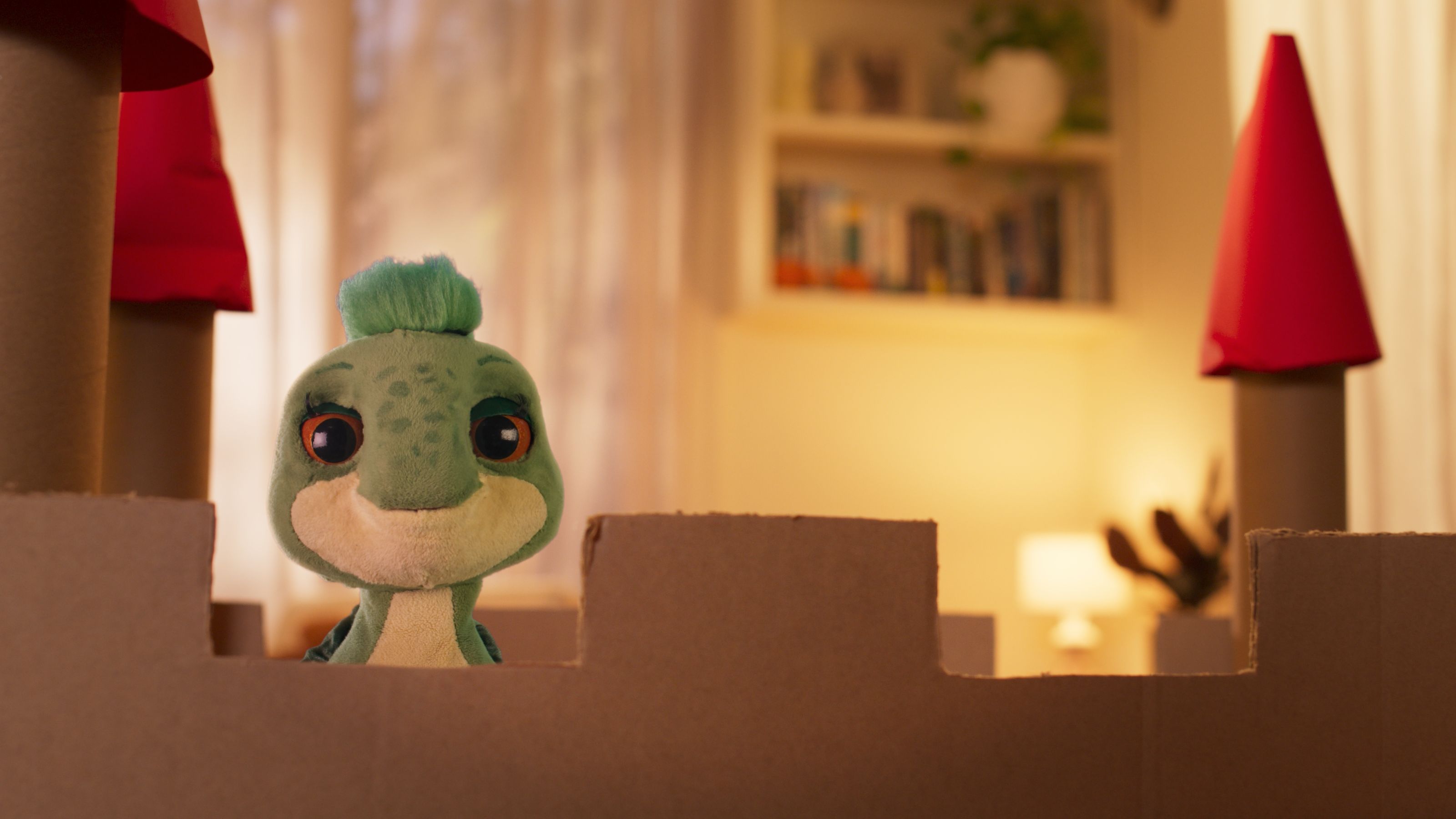
Lauchie is planning to bring Moss to take-your-pet-to-school day, but a jealous Silver Paw turtle-naps her. Can Jeremy and Deena find her in time for the morning school run?
Reflect
After watching the episode, hold a class discussion about how Deena, Jeremy and Squash showed kindness to Moss.
Discuss how they wanted Moss to go to school because they knew it would make her happy, even though it meant they might miss out themselves. Guide the discussion with the following questions:
- How did the Knee High Spies show kindness?
- Do you think Silver Paw was being kind? Why or why not?
- Was what Silver Paw did fair? Why or why not?
- Can you think of a time when you showed kindness?
Encourage students to give examples from the episode and from their own lives. Highlight how kindness sometimes means thinking about other people’s feelings.
Explore
Attach an A3 piece of paper to the board and write the heading:
Ways to be kind
Invite students to suggest different ways we can show kindness. For example, sharing, taking turns, helping others, using kind words, including others in play.
Record their responses on the poster. Where possible, add simple drawings or symbols to support understanding.
Display the completed poster in the classroom as a reminder of how students can show kindness each day.
Create
Step 1: Mission briefing
Gather students and speak in a dramatic “mission control” voice:
“The Knee High Spies showed Moss kindness because they cared about her feelings. Now it’s your turn. Your mission is to show that you are kind spies too!”
Hold up a blank piece of paper.
“You are going to draw a time when you showed kindness. But first… let’s think like spies and plan our idea.”
Step 2: Guided thinking
Before students begin, walk them step-by-step through the thinking process.
Draw three simple boxes on the board and label them:
- Who was involved?
- What did you do?
- How did they feel?
Model your own example aloud. For example,
I was kind to my friend. I helped them when they fell over. They felt happy and safe.
Ask guiding questions to support student thinking:
- Who was there?
- What was happening?
- What did you choose to do?
- How do you know they felt that way?
- How did you feel?
Encourage students to turn and talk to a partner to rehearse their idea before drawing, to help organise their thinking.
Step 3: Students draw
Students draw a picture of a time they have shown kindness.
Encourage students to include:
- The people involved
- Facial expressions (happy, proud, relieved)
- What is happening (sharing, helping, including)
- The setting (playground, classroom, home)
Prompt while circulating:
- Who are you being kind to?
- What is your body doing to show kindness?
- Can you show how they are feeling on their face?
- What were you thinking at the time?
This keeps the focus on intentional kindness rather than just drawing a picture.
For extension, students can write a sentence to match their drawing, for example: “I was kind when I helped clean up a mess somebody else made.”
Provide sentence starters on board if needed:
- I was kind when…
- I showed kindness by…
Step 4: Reflection and sharing
Invite a few students to share. After each share, ask the class:
- What kind choice did they make?
- How did that person feel?
- Why was that kind?
Highlight specific behaviours. For example,
I noticed you included someone who was alone. That shows empathy.
Helping clean up without being asked is thoughtful.
Step 5: Mission Debrief
To strengthen understanding, conclude by explainging that sometimes kindness means giving up something we want - just like the Knee High Spies did for Moss. Discuss with the class:
- Is kindness always easy?
- Why is it important?
Finish by reading aloud the following:
“Mission complete! You cracked it spies! Our classroom is full of the kindest spies. Knee high spy five!”
Encourage students to ask their friends if they would like a high five.
Curriculum links
|
|
Foundation |
Year 1 |
Year 2 |
|
Literature - Engaging with and responding to literature |
Respond to stories and share feelings and thoughts about their events and characters |
Discuss literary texts and share responses by making connections with students’ own experiences |
Identify features of literary texts, such as characters and settings, and give reasons for personal preferences |
|
|
Foundation |
Year 1 |
|
|
Reflecting - transfer knowledge |
Connect ideas and information between familiar learning experiences |
Use ideas and information from a previous experience to inform similar learning experiences |
|
|
|
Foundation |
Year 1 |
Year 2 |
|
Understanding ethical concepts and perspectives - Examine values, rights and responsibilities and ethical norms |
Identify examples of values, rights and responsibilities |
Identify values, rights and responsibilities and shared expectations, and explain why they are important |
|
|
|
Foundation |
Year 1 |
Year 2 |
|
Social awareness - Empathy |
Demonstrate an awareness of the needs, emotions, cultures and backgrounds of others |
Describe similarities and differences between the needs, emotions, cultures and backgrounds of themselves and others |
|