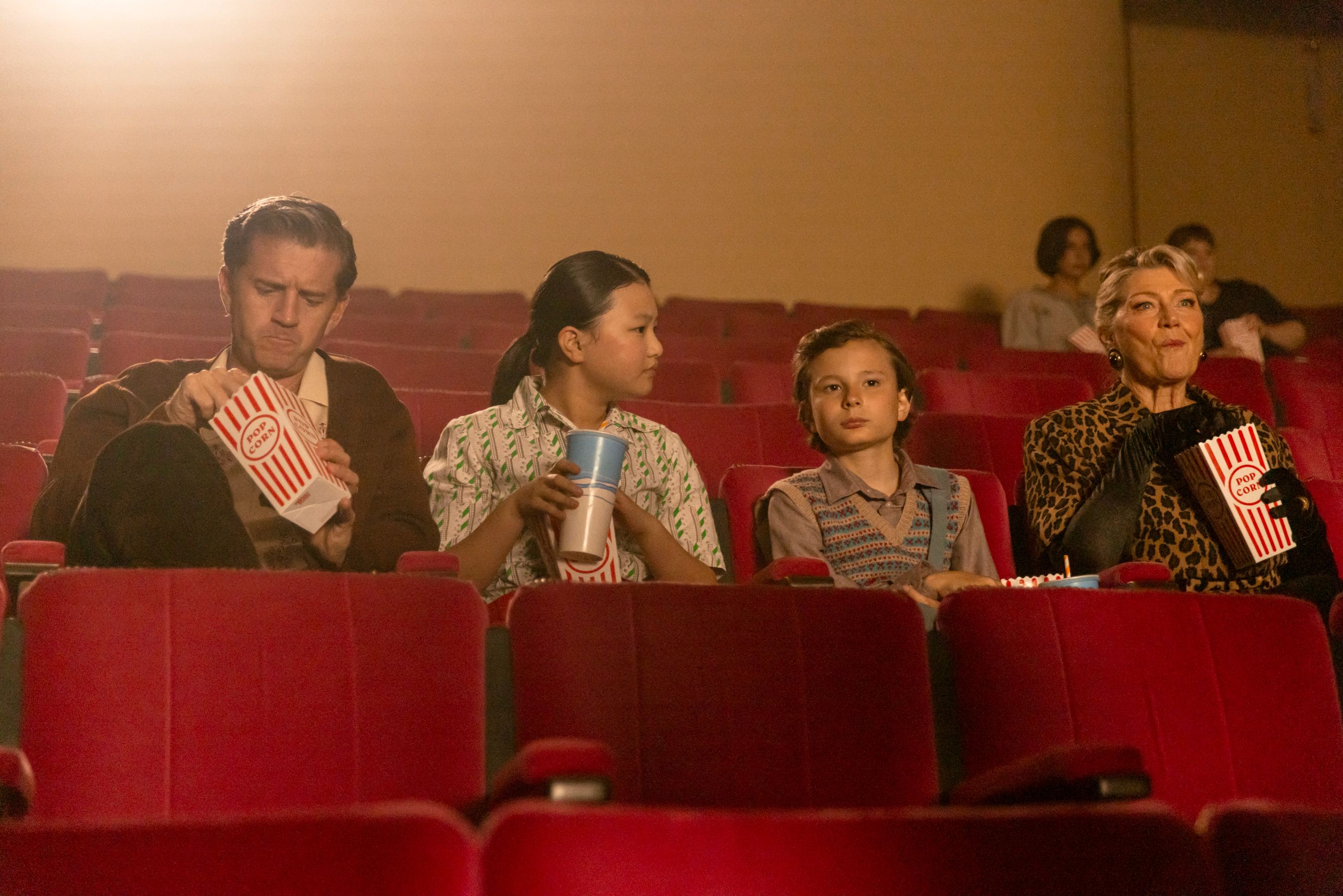
Mission 4: Operation "yes day"
By the end of ‘Mission 4’, students will be able to:
- collaboratively build and improvise a narrative by listening actively to others, contributing ideas using “yes, and” to extend the story
- apply language and dramatic techniques to develop characters, events and meaning.
Mission Brief
Activity 1
The Joeys Crew has tracked the missing Woodspring Nug to Katinkatonk Manor using the whiz bang nug detector. Now it is up to you and your crew to imagine what happens next. Operation Yes Day is all about super sized listening and teamwork. There is only one rule.
Yes, and…
Watch the below clip from Caper Crew.
Activity 2
Work together as a class to create an improvised story, building the narrative step by step. Sit in a circle so everyone can see and hear each other clearly. One person begins with an opening line to start the story, such as We sneak around to the back door of the mansion… From there, each student takes a turn adding the next part of the story. Every contribution should begin with Yes, and… to show that you are accepting what has already been said and adding something new. Try to speak in the present tense so the story feels immediate and exciting.
As the story develops, the teacher may call out Plot twist! at any moment. This means you need to introduce a new problem or an unexpected change to keep the story interesting and dynamic. Listen carefully to each speaker so your ideas connect clearly and build on what has come before. Be open to all ideas, use your imagination, and support your classmates as you create the story together.
Some things to keep in mind:
- Accept every idea and build on it
- Listen carefully to each contribution
- Use Yes, and… to continue the story
- Speak in present tense
- Be creative and have fun
This activity is designed to develop teamwork and creativity. With practice, your stories will become more detailed, engaging, and exciting as you learn to collaborate and think on your feet.
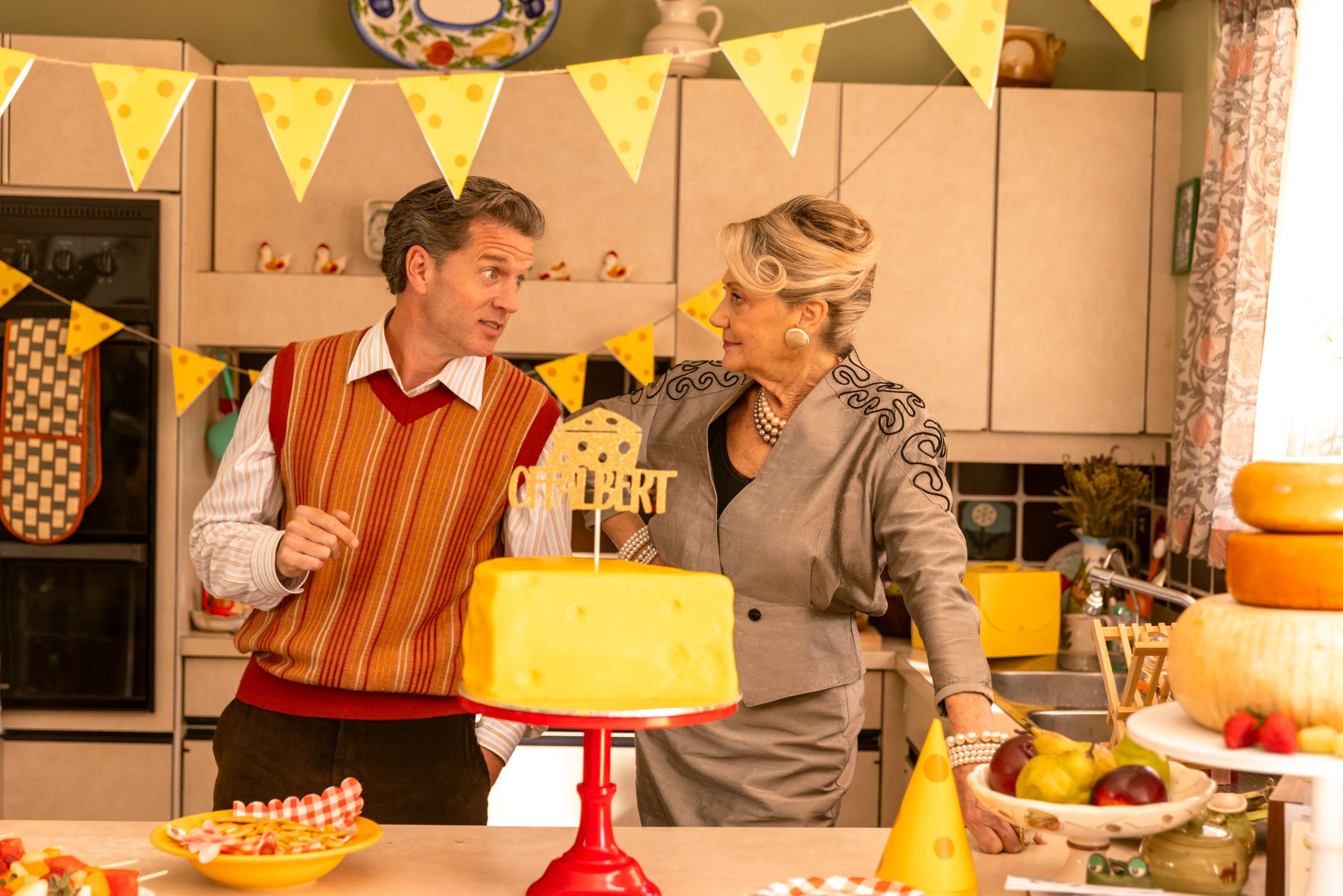
Mission Debrief
Individual reflection
Students reflect on their own contribution by finishing the following sentences:
- One idea I contributed to the story was…
- I built on someone else’s idea by…
- A moment when I listened carefully was…
- Next time I will try to…
Class reflection
Reflect as a group on how the crew worked together.
- Did your crew succeed in building a story? Yes, no or almost.
- What helped your crew work well together?
- What was your favourite idea and why?
- What would you do differently next time?
- How did your storytelling change as you practised?
Create a class list of “Yes, and” rules for teamwork.
Australian Curriculum
|
Year 3-4 |
Year 5-6 |
How this is demonstrated |
|
identify the characteristic features used in imaginative, informative and persuasive texts to meet the purpose of the text
describe how texts across the curriculum use different language features and structures relevant to their purpose
discuss connections between personal experiences and character experiences in literary texts and share personal preferences plan, create, edit and publish written and multimodal imaginative, informative and persuasive texts, using visual features, relevant linked ideas, complex sentences, appropriate tense, synonyms and antonyms, correct spelling of multisyllabic words and simple punctuation
|
use comprehension strategies such as visualising, predicting, connecting, summarising, monitoring and questioning to build literal and inferred meaning to evaluate information and ideas.
analyse how text structures and language features work together to meet the purpose of a text, and engage and influence audiences
plan, create, edit and publish written and multimodal texts whose purposes may be imaginative, informative and persuasive, developing ideas using visual features, text structure appropriate to the topic and purpose, text connectives, expanded noun groups, specialist and technical vocabulary, and punctuation including dialogue punctuation
|
Students listen to and interpret the scenario, preparing to collaborate creatively: • listen to spoken instructions and ideas • build understanding through discussion • engage with imaginative texts and scenarios
|
|
Year 3-4 |
Year 5-6 |
How this is demonstrated |
|
use the elements of drama to explore and develop ideas for dramatic action in improvisations and/or devised drama
improvise and/or devise and shape drama using the elements of drama to communicate ideas, perspectives and/or meaning
|
develop characters and situations, and shape and sustain dramatic action to communicate ideas, perspectives and/or meaning in improvised, devised and/or scripted forms
explore ways to combine the elements of drama to communicate ideas, perspectives and/or meaning in improvisations, devised drama and/or scripted drama
|
|
Collaboration and teamwork – Students work together in discussions and activities
Communication skills – They practise tone, body language, and active listening
Generate ideas and alternatives – They consider different arguments and ways to persuade an audience