Mission 2: Join the Joeys Crew
By the end of ‘Mission 2’ students will be able to:
- analyse character traits and how people are represented in texts and images
- create a personal profile using descriptive and expressive language
- communicate their strengths, supported by relevant examples of their skills and experiences
Mission Brief
Activity 1
You have been invited to join the Joeys Crew. This team values people who bring different strengths, skills and ways of thinking.
Before you can join, the crew needs to learn more about you. You will explore what makes a strong team member, then create your own profile to show how you could contribute.
Read the Joeys character profiles. Click the square in the centre below the character profile to open the card in full screen. Then use the arrow key to flip it over to learn more about each character. You can also download each character profile as a PDF.
Choose one character and write a short paragraph that explains how they contribute to a team. Focus on one key trait or skill that makes them valuable. Use details from the character profile to support your ideas. Think about what the character does well, how they act in different situations, and why this would help a team work effectively and achieve its goals.
You might include:
- The character’s key strength or skill
- Examples of how they act or respond to challenges
- Evidence from the profile that shows this strength in action
- A clear explanation of how this helps a team succeed
Activity 2
Write your own profile for the crew. Include:
-
A code name (for example, the problem solver, the brave one)
-
A special skill (for example, solving maths problems, untying difficult knots)
-
An example of a time you might have used this skill successfully in the past
Activity 3
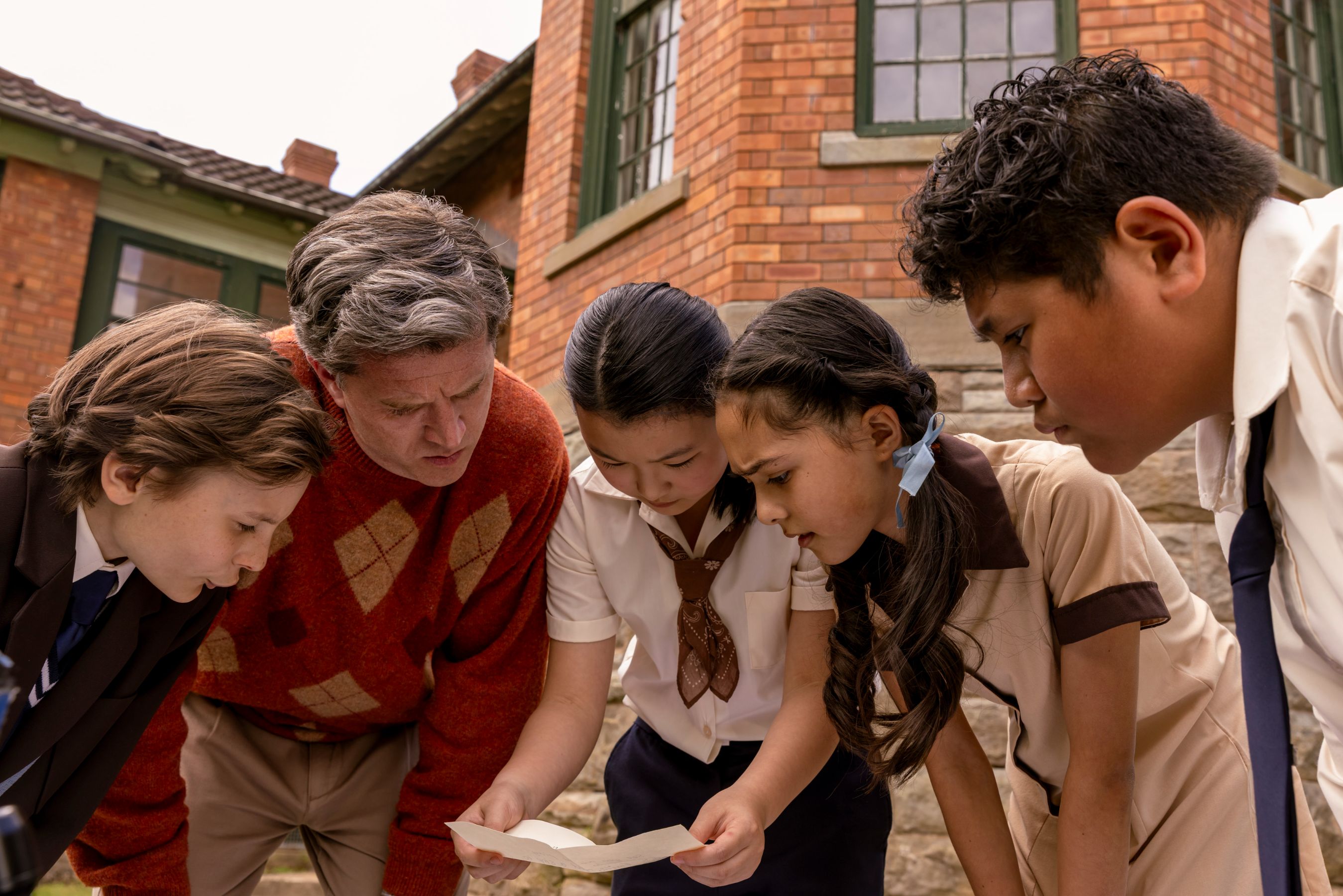
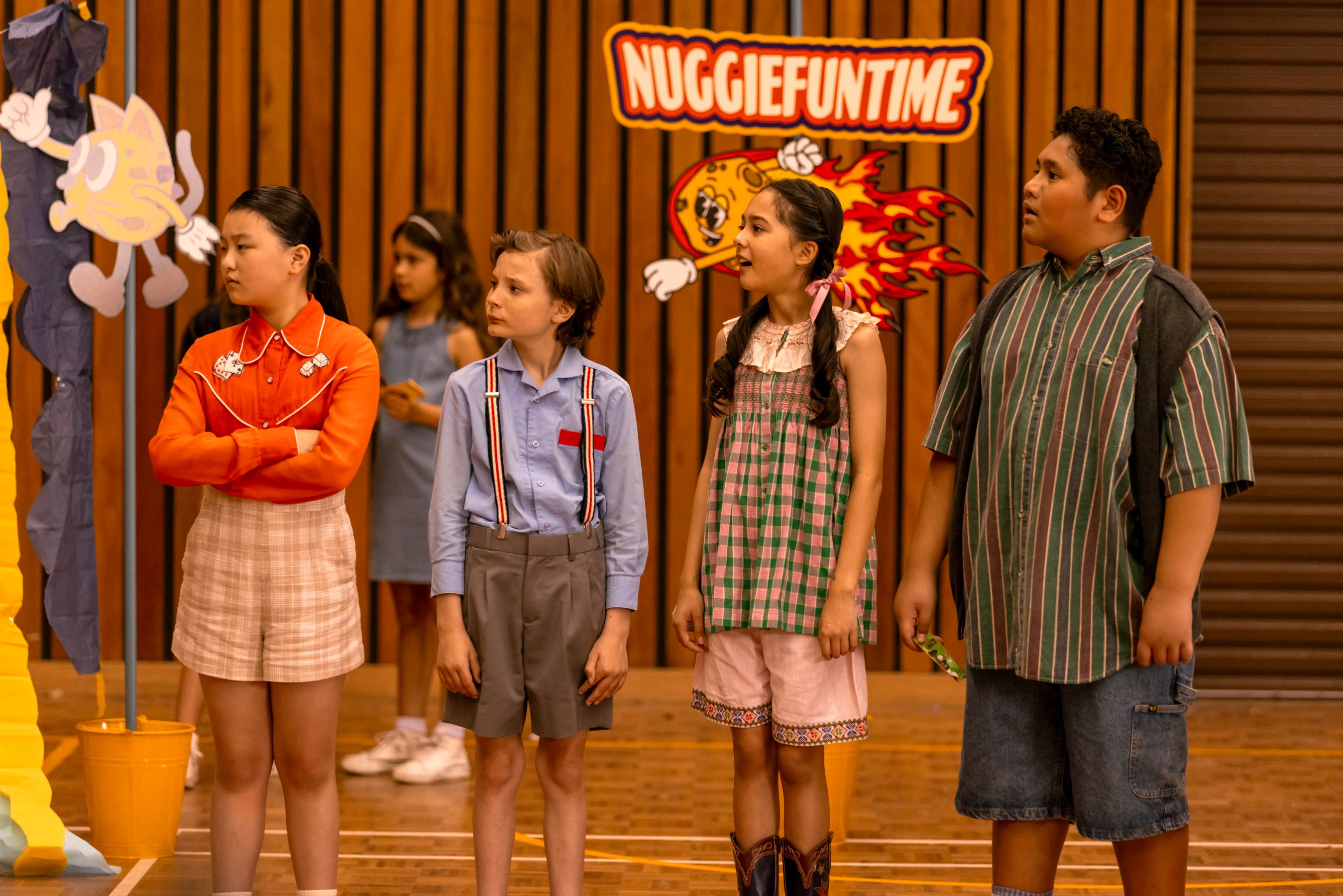
Look closely at the Joeys Crew images. Notice their facial expressions and body language. What do their expressions tell you about their personality? How can a pose show confidence, curiosity or focus?
Draw a head and shoulders “mug shot” of yourself that represents your chosen trait. Think about:
- Facial expression
- Eye direction
- Posture
- Small details like eyebrows or smile
Mission Debrief
Individual reflection
Complete a short written or verbal reflection. Use the below prompts to support your reflection:
- One strength I am proud of is…
- I showed this strength when…
- A strength I would like to develop is…
- I can work on this by…
Class reflection
Capture shared learning as a group by creating a class “Strength Wall” with student code names and skills.
In a class discussion, reflect on the following questions:
- What makes a team work well?
- How can we support each other’s strengths in class?
- What should we remember next time we work in groups?
Australian Curriculum
|
Year 3-4 |
Year 5-6 |
How this is demonstrated |
|
discuss connections between personal experiences and character experiences in literary texts and share personal preferences plan, create, edit and publish imaginative, informative and persuasive written and multimodal texts, using visual features, appropriate form and layout, with ideas grouped in simple paragraphs, mostly correct tense, topic-specific vocabulary and correct spelling of most high-frequency and phonetically regular words AC9E4LA03
|
identify similarities and differences in literary texts on similar topics, themes or plots
plan, create, edit and publish written and multimodal texts whose purposes may be imaginative, informative and persuasive, developing ideas using visual features, text structure appropriate to the topic and purpose, text connectives, expanded noun groups, specialist and technical vocabulary, and punctuation including dialogue punctuation
explain how texts across the curriculum are typically organised into characteristic stages and phases depending on purposes, recognising how authors often adapt text structures and language features describe the ways in which a text reflects the time and place in which it was created
|
Students analyse traits of Joey characters and infer personality
Using vocabulary to describe skills, traits and experiences.
Students interpret facial expressions/body language in images
Students justify why their skills are valuable to the crew
|
|
Year 3-4 |
Year 5-6 |
How this is demonstrated |
|
experiment with a range of ways to use visual conventions, visual arts processes and materials
|
explore ways that visual conventions, visual arts processes and materials are combined to communicate ideas, perspectives and/or meaning in visual arts across cultures, times, places and/or other contexts
|
self-portrait reflecting personality traits.
|